EveryEvent ATX

すべてのEventsを見る

Live Music Capital of the World

events

Concerts & Live Music
Festivals
Sports & Recreation
Food & Drink
Arts & Culture
Community
Family & Kids
Nightlife
Comedy
Theater
人気の目的地
BaliSedonaLos AngelesCosta RicaNew YorkSan FranciscoAustinMiamiJoshua TreeTulum
すべてのカテゴリを見るすべての目的地を見る

すべての機能を探索

イベントを成長させる強力なツール

プラットフォーム機能

スマートダイナミックプライシング
チケットカテゴリ
座席指定
カート放棄リカバリー
訪問者リカバリー
寄付とスライディングスケール
アフィリエイトシステム
チケットスキャナー
クーポンコード
カスタム質問
チケット共有
アップセルとアドオン
分析とレポート
メールシーケンス
ウェイトリスト / 通知 / リマインダー
探索
Discovery HubArtists & PerformersVenuesKnowledge Base
すべての機能を見る私たちについて
料金ブログ
Language
Saved events
すべてのイベントを見る

events

Concerts & Live MusicFestivalsSports & RecreationFood & DrinkArts & CultureCommunityFamily & KidsNightlife

人気の目的地

BaliSedonaLos AngelesCosta RicaNew YorkSan Francisco

探索

Discovery HubArtists & PerformersVenuesKnowledge Base

プラットフォーム機能

スマートダイナミックプライシングチケットカテゴリ座席指定カート放棄リカバリー訪問者リカバリー寄付とスライディングスケールアフィリエイトシステムチケットスキャナークーポンコードカスタム質問チケット共有アップセルとアドオン分析とレポートメールシーケンスウェイトリスト / 通知 / リマインダー
すべての機能を見る私たちについて
料金ブログ
ログイン新規登録イベント主催者
  • Browse All Events
  • Concerts & Live Music
  • Festivals
  • Sports & Recreation
  • Food & Drink
  • Arts & Culture
  • Community
  • Family & Kids
  • Nightlife
  • すべてのカテゴリ →
  • San Antonio
  • Hill Country
  • Fredericksburg
  • Houston
  • Dallas
  • All Destinations →
  • For Promoters
  • For Artists
  • For Venues
  • For Festivals
  • For Event Spaces
  • For Nonprofits
  • For Bloggers
  • For Speakers
  • Brand Ambassador
  • Case Studies
  • 35万人以上のバイヤーネットワーク
  • カート放棄リカバリー
  • スマートダイナミックプライシング
  • チケットカテゴリ
  • 定期イベント
  • 座席指定
  • アフィリエイトシステム
  • ウェイトリスト / 通知
  • チケットスキャナー
  • 埋め込みウィジェット
  • イベント配信
  • メッセージセンター
  • インテグレーション
  • レポート
  • すべての機能 →
  • 概要
  • エコシステム
  • ブログ
  • 用語集
  • インスピレーション
  • ヘルプセンター
  • お問い合わせ
  • APIドキュメント
  • ブランドアセット
  • 採用
  • プレス
  • 利用規約
  • プライバシーポリシー

Events

  • Browse All Events
  • Concerts & Live Music
  • Festivals
  • Sports & Recreation
  • Food & Drink
  • Arts & Culture
  • Community
  • Family & Kids
  • Nightlife
  • すべてのカテゴリ →

Getaways

  • San Antonio
  • Hill Country
  • Fredericksburg
  • Houston
  • Dallas
  • All Destinations →

For Organizers

  • For Promoters
  • For Artists
  • For Venues
  • For Festivals
  • For Event Spaces
  • For Nonprofits
  • For Bloggers
  • For Speakers
  • Brand Ambassador
  • Case Studies

機能

  • 35万人以上のバイヤーネットワーク
  • カート放棄リカバリー
  • スマートダイナミックプライシング
  • チケットカテゴリ
  • 定期イベント
  • 座席指定
  • アフィリエイトシステム
  • ウェイトリスト / 通知
  • チケットスキャナー
  • 埋め込みウィジェット
  • イベント配信
  • メッセージセンター
  • インテグレーション
  • レポート
  • すべての機能 →

会社

  • 概要
  • エコシステム
  • ブログ
  • 用語集
  • インスピレーション
  • ヘルプセンター
  • お問い合わせ
  • APIドキュメント
  • ブランドアセット
  • 採用
  • プレス
  • 利用規約
  • プライバシーポリシー
EveryEvent
© 2026 EveryEvent Austin. 全著作権所有.
Inspiration

Karma Live: Cycles ofAction and Consequence

Trevor Hall
Trevor Hall
Apr 25, 2019
読了 約6分
視聴 · 5

Trevor Hall's live performance of "Karma" from his 2019 Charleston concert explores the Eastern philosophical concept of karma—the principle that our actions generate consequences that cycle back to us. Through poetic lyrics and meditative musical expression, Hall examines how confusion, loss, and cyclical patterns of behavior shape our experience, inviting listeners to recognize the interconnection between choice and outcome. This is not a lecture on doctrine but a devotional art piece that makes karma tangible through sound and lived reflection.

読む · 6セクション

What Is the Core Idea Behind Karma?

In this live performance, Trevor Hall approaches karma not as a belief system but as an observable reality. The song opens with imagery of rivers, storms, and cycles—natural metaphors for how energy moves and returns. Hall's phrasing "all these storms coming back" and the recurring refrain about things "going around and round" anchor the abstract concept of karma in sensory experience. Karma, in the Hindu and Buddhist traditions Hall draws from, is not punishment or reward handed down by a judge; it is the natural law of cause and effect. Actions set currents in motion, and those currents inevitably return.

The song's repeated meditation on cycles—"that's going around and round," "come there was your cycle"—illustrates how karma operates as a continuous spiral rather than a linear sequence. Hall doesn't present karma as something that happens to us, but as something we actively generate through attention, choice, and pattern. The live performance format amplifies this: each phrase returns, each melodic motif circles back, mirroring the structure of karmic return in real time.

How Does Loss and Confusion Enter Into Karma?

A significant dimension of this performance emerges in the refrain "some time losing a cover you got me thinking." Here, Hall addresses not just abstract karmic law but the emotional texture of karmic consequence: confusion, loss, and the disorientation of not understanding why things happen as they do. The phrase "so confusion so" repeats, grounding karma in lived bewilderment rather than intellectual comprehension.

This is crucial. Many spiritual teachings about karma can feel remote or fatalistic—as if our current suffering is simply the inevitable harvest of past action. Hall's approach, by contrast, acknowledges the immediate, gut-level experience of losing footing, of having a protective layer removed, of being forced to think through what we have done and why circumstances recur. The "cover" may refer to illusion, habit, or defensive mechanism—the ways we insulate ourselves from seeing the chain of cause and effect. When that cover is stripped away, we "got me thinking," confronting the reality of our participation in our own circumstances.

What Role Do Stars and Soul Play in Understanding Karma?

In the middle sections of the performance, Hall introduces astrological and soul-centered language: "who that Scorpio / stick about so whatever day guy who our / better told my stars to know my soul." This gesture is significant. Rather than treating karma as purely mechanical—action produces reaction—Hall weaves in the language of destiny, character, and soul purpose. Astrology, in many spiritual traditions, is understood not as determinism but as a map of soul inclination and karmic theme.

The phrase "told my stars to know my soul" suggests a dialogue between our cosmic nature and our karmic trajectory. We are not blank slates onto which karma blindly acts; we are beings with particular tendencies, wounds, gifts, and growth edges. Our karma meets our nature. Hall is not saying the stars control us, but that understanding our astrological nature and soul tendencies can illuminate why certain patterns keep returning, and what work is available to us.

The refrain "don't tell her too / I love to roll" introduces a personal, intimate note. Amid the cosmic language, Hall preserves something vulnerable and human—the desire to love, to move with grace, to "roll" or flow rather than resist. This keeps the teaching grounded in actual relationship and lived experience rather than abstract law.

How Does the Cyclical Structure Mirror the Teaching?

One of the strengths of this live performance is that its form reflects its content. The song doesn't proceed in a straight line toward resolution; it circles. Lines and melodic phrases return, building in intensity rather than moving toward closure. This structure enacts karma's principle: the return, the cycle, the spiral. Each pass through the refrain adds texture and emotional weight without changing the fundamental pattern.

This is a pedagogical choice. Hall could have explained karma in linear narrative terms—"you do this, then this happens, therefore learn this." Instead, the spiraling form of the song makes the listener feel the pattern of return. The body absorbs the rhythm. Hearing the same phrases loop creates the subtle cognitive experience of recognition and repetition that mirrors how karma actually operates in life: patterns repeat until we wake to them.

What Does Creation and Despair Have to Do With Karma?

Toward the song's middle, Hall sings "despair" and "creation is what cast darling." These are the two poles of karmic engagement. Despair is the weight of repeated pattern, the heaviness of seeing that we keep making similar mistakes, meeting similar obstacles. It is the experience of being trapped in a cycle. Yet in the same breath, creation emerges. "Creation is what cast"—suggesting that whatever was cast into the world through past action is also a creative force, and that our ongoing creation (our present choices, our responses) is what actually constitutes the karmic process.

This moves beyond victim consciousness. Yes, past action shapes current circumstance. But the moment we inhabit is also creative. We are not merely suffering the consequences of karma; we are actively participating in its generation. Despair and creation exist as simultaneous truths in Hall's vision: the weight of pattern and the power of present choice.

Where to Go From Here

If this performance has kindled interest in karma as a living principle rather than a doctrine, deeper exploration might take several forms. The Bhagavad Gita, particularly Krishna's teaching to Arjuna on karma yoga (action aligned with dharma or righteous duty), offers a philosophical foundation. More contemporary teachers like Ram Dass and Pema Chödrön have made karma psychology accessible while maintaining its depth. And the most direct investigation comes through honest self-observation: tracking your own patterns, noticing where confusion gives way to clarity, watching how your actions ripple outward and return.

Trevor Hall's "Karma," from his album The Fruitful Darkness, is itself an invitation to this practice. It is a devotional object—something to return to, to sit with, to let work on you across multiple listenings. The song doesn't resolve the question of karma; it invites you into the cyclical inquiry itself.

Transcript

[0:02] [Music]

[0:09] [Music]

[0:26] rivers in space mean about my

[0:31] look

[0:34] in there

[0:38] all these storms coming back

[0:40] [Music]

[0:48] what

[0:50] like a dog

[0:53] that's like gue breakage so this thing

[0:57] going our way to know

[0:59] so confusion so

[1:02] some time losing a cover you got me

[1:06] thinking okay overall this virtual and

[1:10] said that's going around and round

[1:14] come there was your cycle Rito's but

[1:19] sweep the sky of the earth it's nice to

[1:23] meet you

[1:27] [Music]

[1:37] who that Scorpio

[1:41] stick about so whatever day guy who our

[1:46] better told my stars to know my soul

[1:51] discouraged don't tell her too

[1:55] I love to roll

[1:58] they see

[2:03] despair

[2:10] creation is what cast

[2:13] darling

[2:16] hello

[2:18] [Music]

[2:19] you got me thinking okay about this

[2:24] virtue it's in that school

[2:27] and round

[2:31] now let's just cite going

[2:33] which sweetness

[2:36] it's nice to be sure

[2:45] [Music]

[2:55] see this

[3:12] [Music]

[3:53] [Music]

[3:59] [Music]

[4:06] [Music]

[4:08] [Applause]

Trevor Hall
著者Trevor Hall

Folk-reggae artist and kirtan practitioner who fuses classical guitar with Indian spiritual traditions, creating introspective music rooted in devotional practice and genuine spiri…

プロフィールを見るウェブサイト
トピックを見る
KarmaCycles-returnCause-effectDevotional-musicEastern-philosophy

ご質問はありますか?

よくある質問

Karma is the principle that actions generate consequences which inevitably return to us—not as punishment but as natural law. Trevor Hall's performance illustrates this through cyclical metaphors: choices set currents in motion, and those currents spiral back. It is both automatic (like physics) and participatory (we actively create it through ongoing choice).
Rather than viewing loss as random or unfair, karma reframes it as the return of energy we have put out. Hall's lyrics acknowledge the confusion and disorientation of this process—the stripping away of protective layers. Recognizing the karmic pattern can transform despair into clarity, showing us where we have agency and what patterns are available for healing.
In Hall's rendering, karma is neither purely deterministic nor irrelevant to free will. Our past actions shape the landscape we inhabit, but our <em>present</em> choices are genuinely creative. We are constantly generating new karma while navigating the consequences of old karma. The moment we inhabit is always an opening for conscious choice.
The spiraling form of the performance—where phrases and melodies return and deepen rather than progress linearly—enacts the teaching itself. Your body absorbs the rhythm of return and recognition, making the abstract principle of karma tangible and felt rather than merely intellectual.
Hall suggests that our astrological nature and soul tendencies are not separate from karma but interwoven with it. Our birth chart maps our karmic themes and growth edges. Understanding your soul nature illuminates why certain patterns recur and what work is uniquely available to you.
Rather than escape, karma yoga traditions teach conscious engagement with karmic patterns. Hall's reference to creation and despair existing simultaneously suggests we cannot undo past action, but we can transform our relationship to it through present awareness and choice, actively generating new karma aligned with our true nature.

読みつづける

More from Trevor

すべて表示
Lessons as Sound: Learning Through Music and Presence
Featured

Lessons as Sound: Learning Through Music and Presence

A meditation on receiving life's teachings through sound, presence, and transformation. Explores how old patterns dissolve and new awareness…

1 min read
Surrendering to Flow: Transformation Through the Mythological Ocean Churn
Featured

Surrendering to Flow: Transformation Through the Mythological Ocean Churn

The Samudra Manthan myth becomes a lens for understanding internal transformation, where surrendering to change rather than resisting it bec…

1 min read
Stories as Medicine: How Compassion Heals Division and Builds Connection
Featured

Stories as Medicine: How Compassion Heals Division and Builds Connection

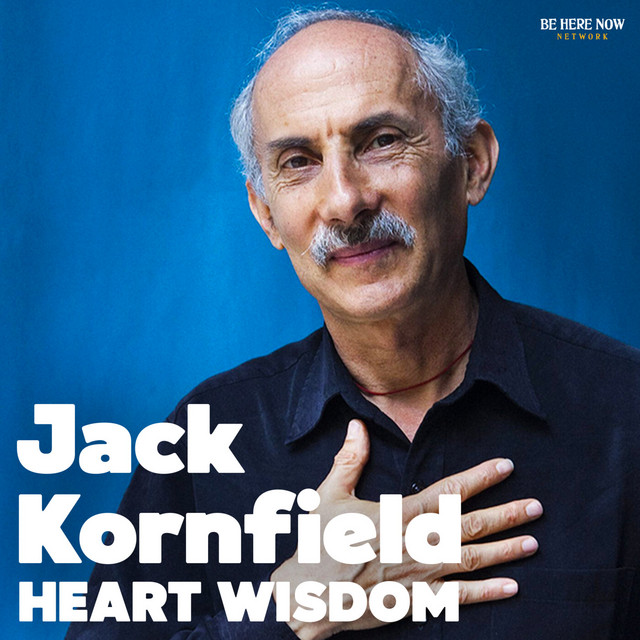
In this profound exploration of human connection, renowned spiritual teacher Jack Kornfield reveals how stories serve as medicine for our di…

1 min read
Walking the Tightrope: How to Serve Both Heaven and Earth Without Losing Your Balance
Featured

Walking the Tightrope: How to Serve Both Heaven and Earth Without Losing Your Balance

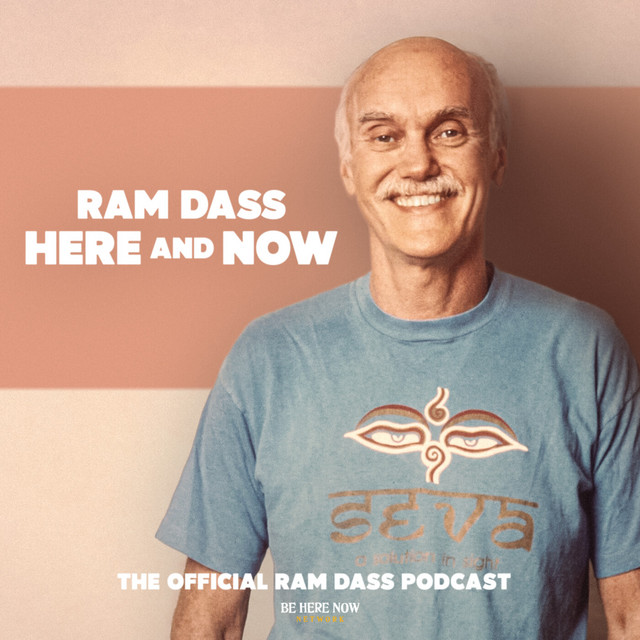
Ram Dass reveals the spiritual challenge of our time: staying connected to divine consciousness while remaining present to human suffering a…

1 min read

探索を続ける

旅をつづける

BrightStarのディレクトリから、さらなる智慧と集いを。

もっと記事を読む

教え、インタビュー、ガイドのライブラリ全体をご覧ください。

すべての記事に戻る →

講師とアーティスト

コンシャスな世界の系譜、音楽家、導き手を探しましょう。

アーティストを探す →

イベントを見つける

キルタン、リトリート、サウンドバス、ブレスワーク、フェスティバル — まもなく開かれます。

イベントを見る →