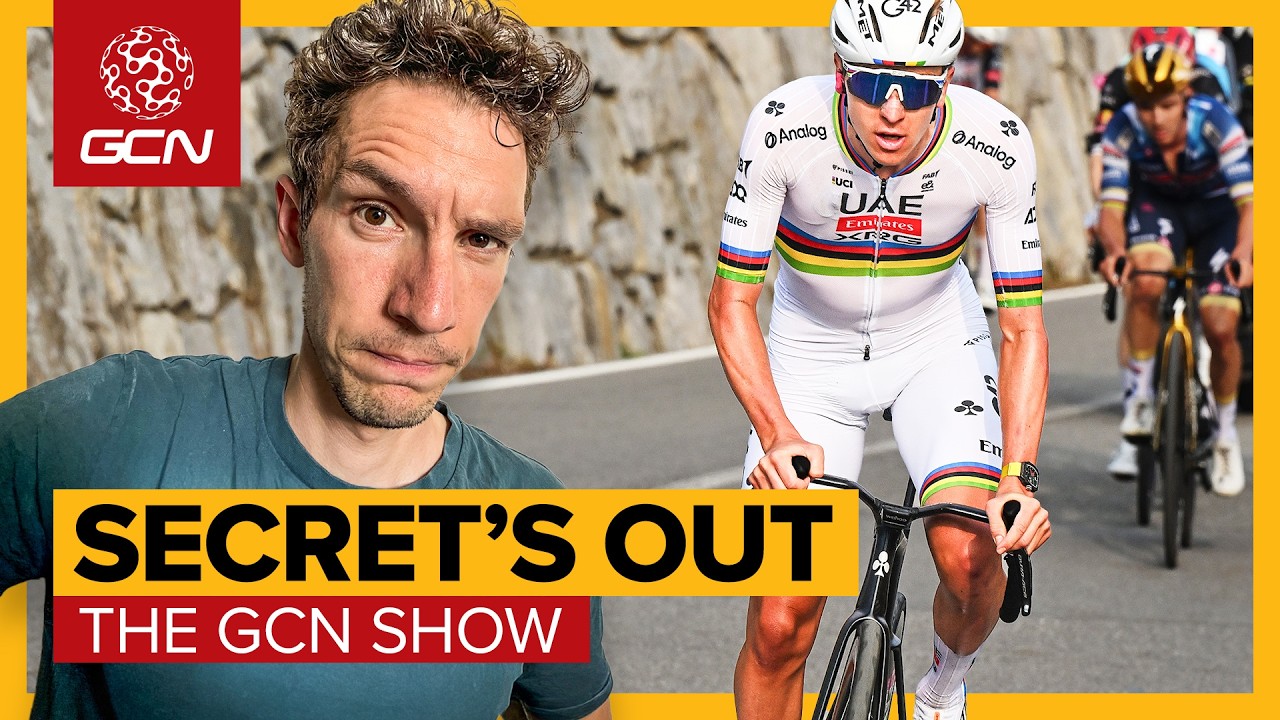
The latest episode of the GCN Show dives into the nuances of professional cycling at the UAE Tour, where it was reported that some riders were averaging less than 100 watts during their races. While this may seem surprising, it raises important questions about race dynamics, pacing strategies, and the mental and physical challenges of elite cycling. In this article, we’ll dissect the implications of these power outputs, explore the significance of cyclist hand signals, and highlight the impact of nutrition and bike choice on performance. Join us as we unpack these engaging topics and provide insights for both competitive and recreational cyclists alike.
The UAE Tour: When Less is More
The UAE Tour, known for its stunning landscapes and challenging terrains, recently showcased an unexpected aspect of professional cycling: stages where average power outputs dipped below 100 watts. Typically, one might assume that professional cyclists would maintain much higher power levels given their elite status. However, factors such as race strategy, terrain, and group dynamics often dictate these numbers. The strategic use of drafting in pelotons can lead to significantly lower average power outputs, as riders conserve energy for critical moments.
In the context of the UAE Tour, the lower wattage can also be attributed to the nature of the stages themselves. Some stages may involve more tactical maneuvering than aggressive climbing or sprinting, where power outputs tend to soar. Riders often find themselves pacing conservatively, especially when anticipating more demanding sections later in the race. This strategic conservation can be crucial for maintaining stamina throughout a multi-stage event.
Moreover, the psychological aspect should not be overlooked. For many riders, the mental conditioning to accept lower power outputs can be challenging, especially when compared to the grueling efforts typically expected in professional races. Understanding that not every stage requires maximum exertion allows athletes to focus on long-term performance and energy management throughout the race.
The Significance of Power Output in Cycling
Power output is a fundamental metric in cycling that helps athletes gauge their performance and make strategic decisions. Using devices like power meters, cyclists can monitor their output in real time, enabling them to adjust their efforts based on course demands and race conditions. Average power outputs, like those seen at the UAE Tour, can reflect a range of tactical considerations, from conserving energy for future stages to executing specific team strategies.
Understanding your power zones is essential for any cyclist looking to enhance their performance. Typically, power zones are categorized into five levels, with Zone 1 being very light and Zone 5 representing maximal effort. For endurance athletes, maintaining power outputs in Zones 2 and 3 during long races is often ideal for balancing speed and stamina. The lower averages observed during some stages at the UAE Tour suggest the riders were likely operating within these sustainable zones, allowing them to preserve energy.
Furthermore, analyzing power data post-race can provide valuable insights for training. By reviewing how power outputs varied throughout the event, cyclists can identify areas for improvement and adjust their training regimens accordingly. This data-driven approach not only enhances performance but also helps athletes develop a deeper understanding of their capabilities and pacing strategies.
Conor Dunne and the Atlas Mountain Race
In this episode, the show also checks in with Conor Dunne, who is currently participating in the Atlas Mountain Race. This grueling event is renowned for its challenging terrain and demanding conditions, making it a true test of endurance and mental fortitude. Dunne's journey offers insights into the physical and nutritional preparations required for such an undertaking, as well as the psychological strategies employed to tackle the race head-on.
Nutritionally, cyclists like Dunne must prioritize their intake during such races to maintain energy levels. It's recommended that endurance athletes consume around 60-90 grams of carbohydrates per hour during prolonged efforts. This can translate to a mix of energy gels, bars, and electrolyte-rich drinks, ensuring they remain fueled throughout the event. Understanding how to balance these nutritional needs while managing hydration is crucial for success in races like the Atlas Mountain Race.
Moreover, Dunne's progress also highlights the importance of recovery strategies. After long days of riding, adequate sleep, nutrition, and stretching become vital for performance. Athletes must focus on post-ride recovery nutrition, consuming a combination of protein and carbohydrates within 30 minutes of finishing to optimize muscle repair and glycogen replenishment. Dunne’s experiences serve as a practical case study for any endurance athlete looking to improve their race performance.
Do Drivers Understand Cyclist Signals? A Sobering Study
In a compelling segment of the episode, the show examines a recent study investigating whether drivers comprehend cyclist hand signals. This topic holds significant importance, especially as the number of cyclists on the road continues to rise. Misunderstanding these signals can lead to dangerous situations, emphasizing the need for better education both for cyclists and drivers regarding road safety.
The study suggests that many drivers are not familiar with the nuances of cyclist hand signals, which can lead to confusion and accidents. Cyclists use signals to communicate their intentions, such as turning or stopping, but if these signals are not understood, the risk of collisions increases. This highlights the necessity for campaigns aimed at educating drivers about the importance of recognizing and respecting cyclist signals.
For cyclists, being aware of this gap in understanding is crucial. Riders should consider supplementing traditional hand signals with additional visual cues, like eye contact or clear positioning on the road, to enhance their visibility and communication with drivers. Ultimately, fostering a culture of mutual respect and understanding between cyclists and motorists is essential for ensuring safety on the roads.
The Most Successful Race Bike in History
One of the highlights of this week's episode is the discussion surrounding the most successful race bike in history. While many brands and models have claimed this title over the years, the conversation often centers around bikes that have achieved significant victories in major tours and events. The attributes of these bikes typically include aerodynamics, weight, and rider comfort—key factors that contribute to performance.
For instance, bikes that have dominated the Tour de France often feature cutting-edge technology, such as lightweight carbon frames and precision-engineered components. The integration of aerodynamics plays a crucial role, as even small reductions in drag can lead to substantial time savings over long distances. Understanding these technological advancements can inspire cyclists of all levels to invest in the right gear to enhance their performance.
The discussion also underscores the importance of bike fit and rider preferences in determining the success of any race bike. A well-fitted bike that complements a rider's physiology can make a significant difference, regardless of the bike's pedigree. Athletes should prioritize professional fittings and consider their unique riding style when selecting a race bike, ensuring it aligns with their performance goals.
Hack or Bodge of the Week
The GCN Show frequently features segments like "Hack or Bodge of the Week," where viewers submit their innovative bike modifications and repairs. This segment sparks creativity within the cycling community, demonstrating that sometimes the most effective solutions come from outside traditional practices. Whether it's a DIY repair for a broken component or an inventive way to carry nutrition, these hacks reflect the resourcefulness of cyclists.
For aspiring endurance athletes, engaging with these hacks can lead to significant improvements in performance and comfort. Simple modifications, such as adjusting saddle height or experimenting with different bar widths, can enhance aerodynamics and reduce fatigue during long rides. By sharing these ideas, the cycling community fosters a spirit of innovation that benefits everyone.
However, it’s essential to discern between effective hacks and questionable bodges. While creativity is valuable, safety should always be the priority. Ensuring that any modifications maintain the integrity of the bike and rider safety should be the guiding principle behind any DIY project. This balance is crucial in ensuring that cyclists can enjoy their rides without unnecessary risks.
Watch the Full Video
Watch the complete video above for the full breakdown. For more endurance content, explore our latest articles, browse upcoming events, or discover athlete profiles on EnduranceFinder.