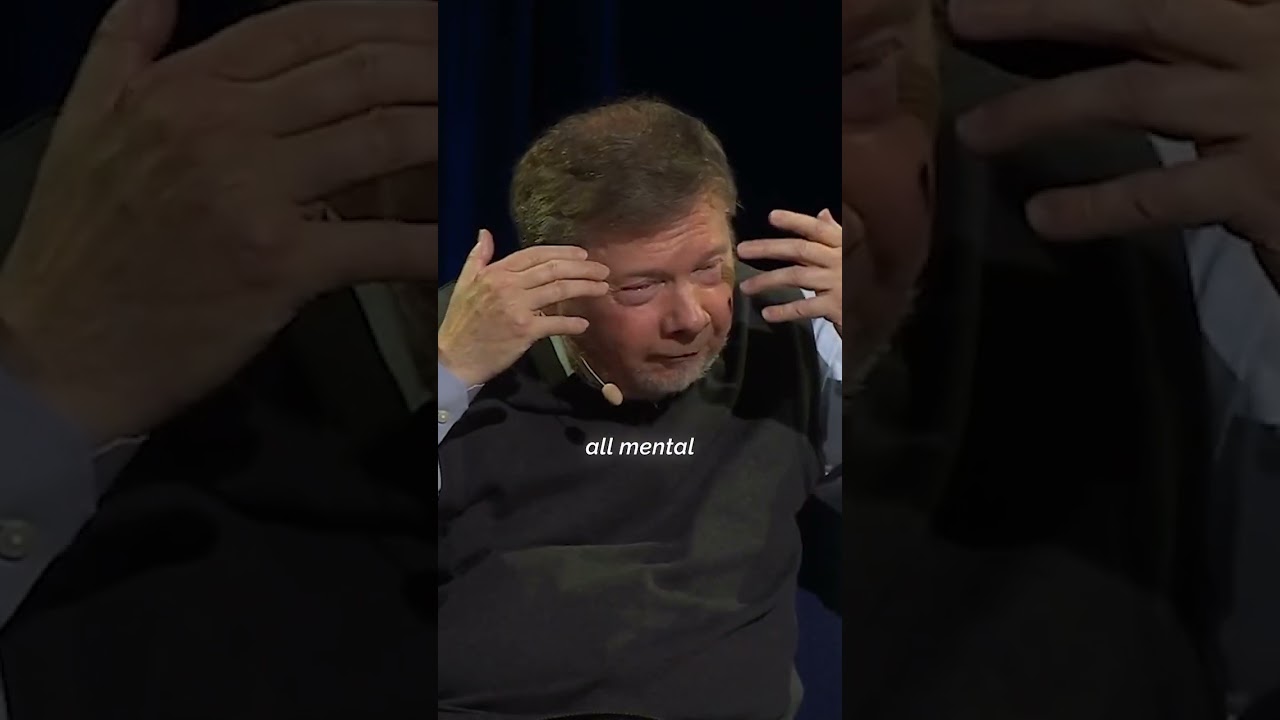
The present moment is the only reality that exists, yet we rarely meet it in its fullness. Eckhart Tolle examines why presence feels perpetually out of reach—not because the present is deficient, but because the mind's habitual patterns of judgment, resistance, and seeking actively distance us from direct experience. Understanding this gap between the reality of now and how we actually experience it is the entry point to genuine presence.
The Paradox of Ever-Present Absence
One of the deepest paradoxes of human consciousness is that the present moment is the only thing that truly exists, and yet it feels like the most elusive thing to access. We are always, by definition, in the present moment—our bodies exist here, our breath happens now—and yet our awareness habitually resides elsewhere: in regret about what happened, anxiety about what might happen, or mental narratives about what is happening. The present moment is not absent; our presence is.
This distinction matters profoundly. The present moment does not require us to change it, improve it, or feel a certain way about it in order for it to be valid. It simply is. And yet, most of us move through our days with a sense that something is missing, that we are not quite arriving at the depth of presence we intuitively sense is available. This absence of presence in the midst of constant availability creates a low-level anxiety—a feeling that we are missing life as it happens.
How Does the Mind Create Distance from the Present?
The human mind has evolved to categorize, compare, and make meaning out of experience. These functions are useful in certain contexts, but they become pathological when applied continuously to the present moment. The mind cannot be present; it can only think about presence. It cannot experience the now; it can only conceptualize about time.
When you are genuinely present—tasting food, listening to music, feeling warmth on your skin—the mind temporarily falls silent. There is just the direct sensation, without commentary. But the moment the mind re-engages, it begins its natural operation: it judges ("This is good" or "This is bad"), compares ("This is better than last time" or "I wish it were different"), and seeks ("When will I feel this again?" or "How can I hold onto this?").
This judging-comparing-seeking structure creates a subtle but constant rejection of what is. If you are drinking coffee and the mind says "This is too hot" or "It's not as good as yesterday," you are no longer fully present with the taste; you are present with the mind's evaluation of the taste. The evaluation may be practical, but it also creates a layer of resistance between awareness and experience. When this pattern becomes habitual—when nearly every moment is filtered through this evaluative layer—genuine presence becomes rare.
The Seeking That Prevents Arrival
Implicit in the lack of presence is a seeking: the seeking for a better present moment than the one that is actually here. This might be subtle. It might not be an obvious desire for something external. It might simply be a quality of unease, a sense that the present moment is not quite enough. A moment of anxiety might create the thought "I need to feel calm." A moment of grief might create "I need to feel happy." A moment of ordinariness might create "I need to feel alive."
But this seeking ensures that you cannot be fully present with what is actually here, because part of your attention is always directed toward what you wish were here instead. You are divided. One part of you is attempting to be present with the moment; another part is implicitly rejecting it and reaching for something else.
This creates a peculiar situation: the very strategies we use to improve our experience of the present—trying to be more present, trying to feel better, trying to extract meaning—are the mechanisms that prevent genuine presence. They introduce a sense of lack and seeking into a present moment that, in itself, lacks nothing.
The Role of Resistance and Non-Acceptance
Closely related to seeking is resistance. Most of us have built a complex relationship with what we consider to be "negative" experiences—pain, discomfort, unpleasant emotions, boredom, difficulty. Our habitual response is to resist them, to push them away, to wish them gone, or to distract ourselves from them.
But resistance is not presence. When you are resisting something—even mentally, even subtly—you are not actually present with it. You are present with the resistance. There is a fundamental difference. If you feel anxiety and you resist the anxiety, thinking "I shouldn't feel this" or "This is wrong," you create a second layer of suffering on top of the original experience. The original anxiety is what is happening; the resistance is what prevents presence.
True presence does not mean liking what is happening or approving of it. It means meeting what is actually here without the additional layer of "this should not be happening." In that meeting—without the resistance—the thing itself often changes, shifts, or reveals something previously invisible.
What Prevents the Mind from Settling into Now?
The mind has a fundamental problem with the present moment: it cannot hold it. The moment the mind becomes aware of the present, it has already conceptualized it, which means it is one step removed from it. The mind works with time—past, future, abstract concepts. The present moment is always beyond the mind's grasp, always fresh, always now. This creates an underlying existential tension.
Many spiritual traditions have recognized this. The practice of meditation does not teach the mind to be more present; it teaches the mind to be still enough that presence can emerge naturally. When the mind stops its constant movement, presence is revealed to be what you already are. It is not something to achieve.
Part of why presence feels so elusive is that we are taught to approach it as an achievement, something to get better at, something to work toward. We treat it like a goal. But goals always exist in the future, and a future-directed mindset is antithetical to presence. Presence is not a destination; it is what is always available when the seeking stops.
The Present Moment Is Not Lacking
A crucial insight is recognizing that the sense of incompleteness we project onto the present moment does not come from the present moment itself. It comes from the mind's habitual comparing function. The mind is constantly comparing what is to what could be, what was, what should be. In that comparison, what is never measures up. It is always seen as insufficient in some way.
But if you step out of comparison—if you notice the present moment without the mental narrative of it being insufficient—you may discover that presence itself is complete. There is nothing missing in this breath. There is nothing lacking in the sensation of your body right now. There is nothing incomplete about this moment as it is.
This is not about toxic positivity or denying genuine difficulties. Pain is real, loss is real, difficulty is real. But the actual experience of pain—the raw sensation, the physical reality—is different from the story the mind tells about pain. The story creates suffering; the sensation is what it is. Presence allows a discrimination between the two.
Why Understanding This Gap Changes Everything
The recognition that the present moment is all there is—and that we habitually resist it, judge it, and seek beyond it—is not depressing. It is liberating. It means that freedom is not something you need to build toward; it is available in the next breath, in the next moment you consciously release the seeking and the resistance.
It means that presence is not a rare, advanced state reserved for accomplished meditators. It is the natural state when the mind's typical patterns temporarily cease. A child before language and conceptualization is present. An animal is present. A moment of genuine laughter is presence. These are not special; they are the default when the mind's interference is absent.
Understanding this gap—between the actual present moment and how the mind habitually experiences it—is the beginning of real change. Not because you should feel guilty for not being present enough, but because you begin to see exactly which patterns prevent presence, and those patterns can then be recognized and released in real time.
Where to Go From Here
If you recognize the truth in these observations, the next step is not to try harder to be present. Trying creates the very seeking that prevents presence. Instead, begin to notice, without judgment, the patterns of seeking and resistance as they happen. Notice when the mind is comparing the present moment to an imagined alternative. Notice when you are resisting what is actually here. This noticing itself is a form of presence. From that awareness, the patterns naturally begin to loosen. Presence does not come from effort; it comes from seeing clearly what prevents it and allowing those patterns to dissolve naturally.