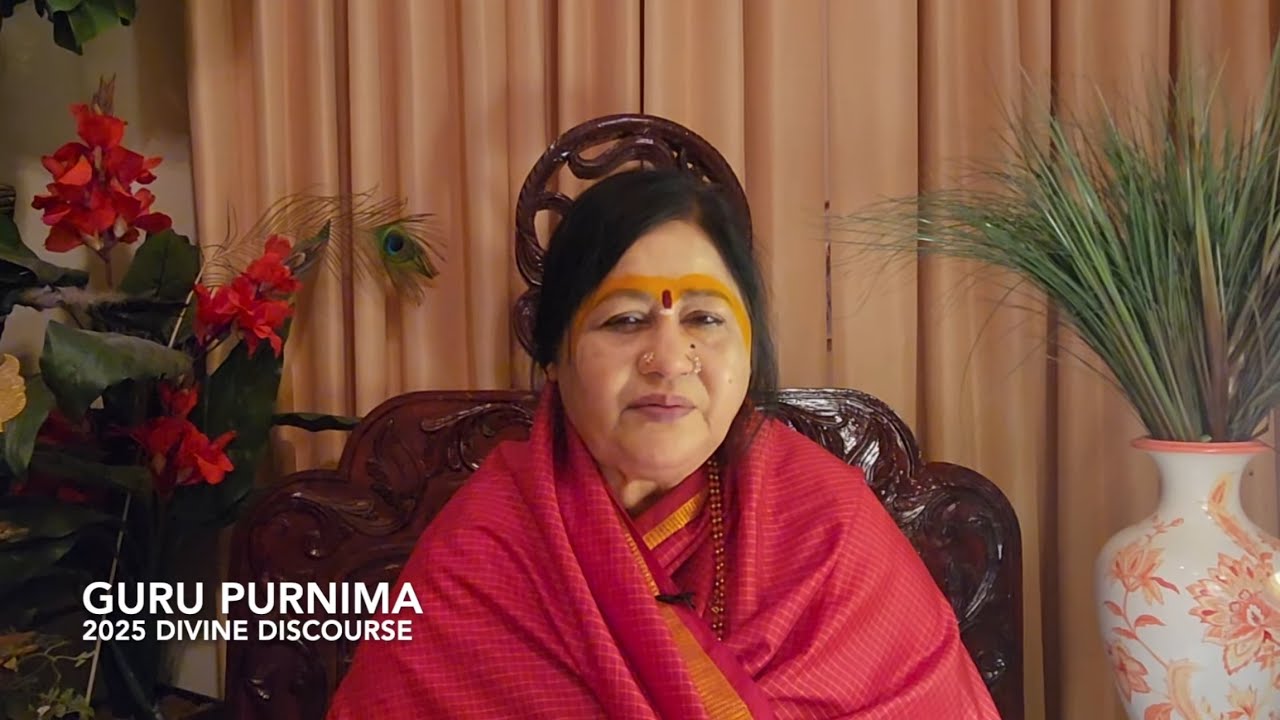
In this Telugu discourse on Karthika Pournami, Sri Karunamayi explains one of Hinduism's most sacred full-moon celebrations—its mythological roots, the importance of ritual bathing in holy rivers during this month, specific mantras and practices dedicated to Shiva and Vishnu, and how sincere observance brings blessings of prosperity, health, and spiritual liberation to those who engage with the season's sacred energies with devotion.
What is Karthika Pournami and Why Does It Matter?
Karthika Pournami (also spelled Kartik Purnima) is among the most significant celestial and spiritual occasions in the Hindu lunar calendar. Sri Karunamayi frames it as a sacred full-moon day that carries particular power for both material and spiritual well-being. The term itself references the Krittika nakshatra (constellation) and the full-moon phase (pournami) that align during the Hindu month of Kartik, typically falling in November.
According to Sri Karunamayi's discourse, this period is not merely astronomical but cosmically charged with divine presence. The speaker emphasizes that Karthika Pournami holds special significance because it is a time when both Lord Shiva and Lord Vishnu are particularly receptive to sincere worship and remembrance. This dual significance—honoring both the transcendent, formless dimension (Shiva) and the sustaining, relational dimension (Vishnu)—makes the month especially potent for spiritual practitioners.
River Bathing and Purification During Karthika Month
A central theme of Sri Karunamayi's teaching is the practice of sacred bathing (snana) in holy rivers during Karthika month. The speaker details how devotees across India undertake pilgrimages to immerse themselves in rivers considered especially purifying at this time. Sri Karunamayi mentions major pilgrimage sites where such bathing is particularly meritorious:
- Northern India: Ganga (Ganges), Yamuna, and Brahmaputra rivers; the Triveni Sangam in Allahabad where three rivers converge; Haridwar and Rishikesh
- Southern India: Tungabhadra river in Karnataka; Godavari and Krishna rivers in Andhra Pradesh; Narmada river
Sri Karunamayi explains that bathing in these rivers at sunrise during Karthika month is understood in Hindu philosophy as a form of purification on multiple levels. The physical immersion represents inner cleansing—the dissolution of mental impurities, karmic imprints, and ego-bound patterns. The teacher emphasizes that the efficacy of such practice depends not merely on the physical act but on the sincerity of the heart and the purity of intention with which one approaches the sacred waters.
Honoring Shiva: Mantras, Abhisheka, and Rudra Practices
Sri Karunamayi dedicates substantial teaching time to practices specifically honoring Lord Shiva during Karthika month. The discourse includes detailed guidance on several connected practices:
Rudra Mantra and Shiva Panchakshari: The speaker recommends regular chanting of the Rudra mantra and the Shiva Panchakshari mantra (ॐ नमः शिवाय — "Om Namah Shivaya") during this auspicious period. These mantras are presented not as mere sound repetition but as invocations that align the chanter's consciousness with Shiva's infinite, formless presence. Sri Karunamayi suggests that consistent recitation, especially during Karthika month, facilitates deeper states of meditation and inner silence.
Rudra Abhisheka: The teacher also discusses Rudra Abhisheka—the ritual bathing of a Shiva linga with various sacred substances (water, milk, honey, sesame oil, and others). Sri Karunamayi frames this not as mere ceremonial action but as a symbolic enactment of the inner transformation the devotee seeks: the cooling, purifying, and sanctifying of one's entire being under Shiva's grace.
Monday Observances: The discourse notes that Mondays hold special significance for Shiva worship in general, and during Karthika month, this becomes amplified. Sri Karunamayi recommends dedicating Mondays to uninterrupted worship, mantra recitation, and meditation on Shiva.
Vishnu Worship: Sahasranama, Lakshmi, and Divine Sustenance
While Shiva represents transcendence and the formless absolute, Sri Karunamayi teaches that Karthika Pournami equally honors Lord Vishnu, the sustaining and protecting aspect of divinity. The teacher outlines several Vishnu-centered practices for this month:
Vishnu Sahasranama: Recitation of the Vishnu Sahasranama (the "thousand names of Vishnu") is highlighted as a powerful practice during Karthika month. Sri Karunamayi explains that each name encodes a different facet of divine quality—mercy, strength, wisdom, abundance—and that chanting these names systematically aligns the practitioner's heart with Vishnu's omnipresent grace.
Lakshmi Worship and Prosperity: The teacher also connects Karthika observance to the worship of Lakshmi, the goddess of abundance and auspiciousness associated with Vishnu. Sri Karunamayi indicates that sincere devotion to Vishnu and Lakshmi during this month removes obstacles to material and spiritual prosperity.
The Twelve Jyotirlingas: Sri Karunamayi references the twelve sacred Jyotirlingas (primary Shiva temples across India) as focal points for concentrated devotional focus. The teacher suggests that during Karthika month, even if physical pilgrimage is not possible, internal visualization and meditative connection to these sacred sites carries profound benefit.
Why Karthika Month Brings Blessings: The Cosmic Dimension
Sri Karunamayi situates Karthika Pournami within a broader cosmology where certain times and places carry heightened spiritual resonance. The teacher explains that this is not superstition but a recognition of how consciousness, ritual, and cosmic cycles interact. When large numbers of sincere devotees engage in the same practices at the same time—bathing in sacred rivers, chanting mantras, making offerings to Shiva and Vishnu—a collective field of devotional energy is generated.
The teacher emphasizes that the benefits accruing from Karthika observance are threefold:
- Health and Well-being: The purification of body and mind through ritual bathing and mantra recitation addresses both physical ailments and mental turbulence.
- Prosperity and Abundance: Sincere worship during this auspicious month is said to remove blockages to material flourishing and invoke Lakshmi's blessings.
- Spiritual Advancement: For those with sincere inner aspiration, Karthika month becomes a concentrated period for deepening meditation, expanding consciousness, and moving toward self-realization.
The Role of Sincere Intention and Proper Pronunciation
Sri Karunamayi repeatedly emphasizes that the power of any ritual or mantra depends critically on two factors: sincere intention (bhava) and correct pronunciation. The teacher notes that merely going through motions without inner alignment yields limited benefit. Conversely, even simple practices performed with a heart full of genuine devotion can open channels of divine grace.
For mantra recitation specifically, Sri Karunamayi stresses the importance of learning proper Sanskrit pronunciation and understanding the meaning of what one is chanting. This combination of intellectual understanding and emotional devotion creates a powerful integration of the whole being toward the divine.
Karthika Month as an Opportunity for Transformation
Rather than presenting Karthika Pournami as a distant mythological event, Sri Karunamayi treats it as an annually recurring opportunity for genuine inner work. The teacher frames this month as particularly conducive to breaking old patterns, releasing karmic blockages, and aligning oneself with higher spiritual currents. The abundance of devotional activity and collective energy during this season serves as both invitation and support for those ready to engage seriously with their own liberation.
Where to Go From Here
For those drawn to these teachings, Sri Karunamayi's discourse invites both traditional and personal practice. If possible, undertaking pilgrimage to a sacred river during Karthika month—bathing at sunrise with sincere intention—is presented as the most direct way to engage with the season's power. For those unable to travel, the teacher affirms that daily mantra recitation (Shiva Panchakshari, Rudra mantras, Vishnu Sahasranama) performed with heartfelt devotion carries authentic benefit. Establishing a Monday practice focused on Shiva worship, or dedicating time to learning and chanting Vishnu's thousand names, creates a personal rhythm aligned with Karthika's cosmic currents. The essential invitation is not belief in distant miracles but sincere participation in practices that have, across centuries, supported millions in deepening their spiritual awareness and invoking divine grace for themselves and the world.