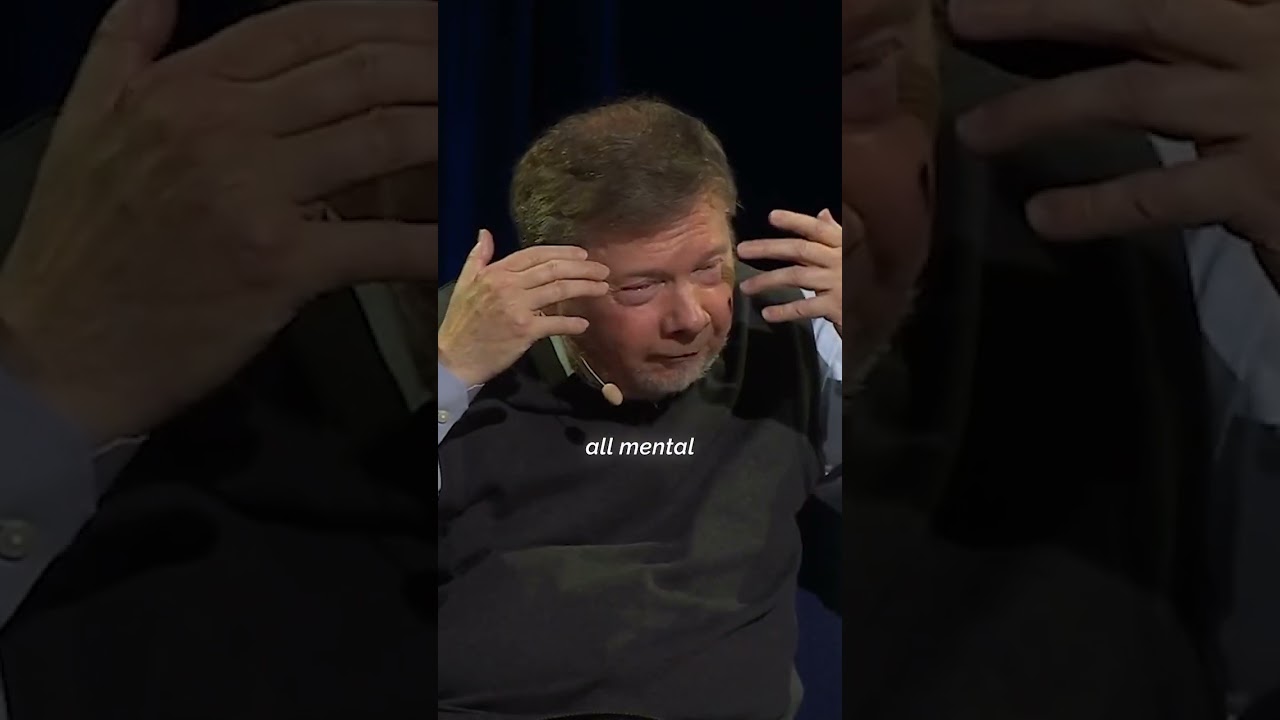
Eckhart Tolle presents acceptance and surrender not as passive resignation, but as a practical experiment that disrupts the cycle of emotional pain. Resistance—the mental rejection of what is happening—keeps suffering alive and activates the nervous system. Complete acceptance, by contrast, quiets both mind and body, allowing pain to move through the organism without creating the secondary layer of emotional anguish that prolongs suffering. This is not about liking what happens; it is about releasing the force of opposition that intensifies distress.
Why Resistance Keeps Emotional Pain Alive
The core insight Tolle offers is deceptively simple: emotional pain persists not because of what happens, but because of how we relate to what happens. When an uncomfortable event or sensation arises—grief, shame, physical discomfort, loss—the mind's automatic move is to push it away, deny it, or judge it harshly. This pushing against reality is what Tolle calls resistance, and it is the mechanism that transforms temporary pain into chronic suffering.
Resistance operates on multiple levels. Mentally, it manifests as repetitive thoughts: replaying what happened, imagining worse outcomes, or constructing narratives about why you deserve this pain. Physically, resistance shows up as tension, held breath, and contracted muscles. The body literally armors itself against the sensation you are trying to escape. Yet this armor does not prevent the pain—it traps it. Energy that could move through the system gets locked in place, creating a feedback loop where mental rejection triggers physical tension, which intensifies the emotional experience, which deepens mental resistance.
Tolle emphasizes that this mechanism was originally adaptive. When facing an immediate threat, resistance—fight or flight—keeps you alive. But when the threat is internal (a feeling, a memory, a diagnosis) or past-tense (an event that has already occurred), the resistance becomes counterproductive. The body cannot fight a feeling. It can only contract against it, exhaust itself in the effort, and amplify the very sensation it is trying to eliminate.
What Is Surrender and Why Is It Practical?
Tolle is careful to reframe surrender. In common parlance, surrender suggests defeat, weakness, or giving up—notions that create resistance in themselves. Instead, he presents surrender as a deliberate experiment: a temporary suspension of the mind's habit to fight what is happening, in order to observe what actually occurs when resistance ceases.
Surrender, in this context, means accepting the present moment exactly as it is—not as you wish it were, not as it "should" be, but as it factually is. If pain is present, you acknowledge it fully without the overlay of judgment, complaint, or the demand that it be different. This is not resignation or numbing. It is alert, conscious presence with what is.
The practical power lies in what happens when you stop fighting. When you release resistance, three things unfold: the mind quiets because it no longer has the task of rejecting reality; the body relaxes because it no longer needs to armor itself; and the pain itself often shifts in quality and intensity. This is not miraculous thinking or denial. It is physiological. Tension amplifies pain signals. Relaxation dampens them. A mind consumed in resistance cannot process or metabolize the experience; a quiet mind can hold it and let it pass.
The Distinction Between Pain and Suffering
Tolle introduces a crucial distinction that underpins the entire teaching: pain and suffering are not the same. Pain is what happens—loss, grief, physical sensation, fear. Suffering is the mind's and body's reaction to pain: the refusal, the resentment, the story we build around it. You can have pain without suffering. You cannot have suffering without resistance.
This distinction matters because it shifts where your power lies. You may not control what happens. You may not immediately control the initial pain response. But you can control whether you add the layer of resistance that transforms pain into suffering. That choice point—the moment you notice yourself fighting reality—is where acceptance becomes practical.
Many people fear that acceptance means condoning harm or passively allowing destructive situations to continue. Tolle's teaching clarifies this confusion. Acceptance of what is does not prevent you from taking action to change what comes next. A person can accept that they are currently grieving and simultaneously work toward healing. A person can accept the reality of a difficult relationship and simultaneously choose to leave it. Acceptance is about releasing mental struggle with the present moment so you have clarity and energy for wise action.
How to Practice Acceptance as an Experiment
Tolle invites the listener to treat acceptance not as a belief system to adopt, but as an experiment to try. Pick a moment when emotional pain is present—worry, sadness, frustration, or physical discomfort. Notice the resistance: the mind saying "this shouldn't be happening," the body tightening, the urge to distract or fix it instantly.
Then, for a few moments, consciously relax the resistance. Let the sensation or emotion be there without fighting it. Breathe into the discomfort rather than away from it. Observe what happens. Most people report that the moment resistance drops, even if the pain remains, the suffering dims. The experience becomes workable. Space opens between you and the sensation—you are no longer identified with it as a personal tragedy, but observing it as a transient phenomenon moving through your being.
This is not a one-time fix. Resistance is habitual. The mind will return to its pattern of rejection. But each time you notice and practice acceptance, you strengthen a new neural pathway. Over time, acceptance becomes less effortful and more natural. The body learns it is safe to stop bracing. The mind learns that presence is safer than escape.
The Body's Role in Acceptance
Tolle emphasizes that acceptance is not merely an intellectual process. It is embodied. When you truly accept, your nervous system shifts. Your muscles relax. Your breath deepens. Your heart rate may slow. These are not symbolic changes—they are measurable physiological shifts that create genuine relief.
Conversely, the mental habit of resistance triggers the body to remain in a low-grade alarm state. Cortisol and adrenaline stay elevated. The immune system is suppressed. The body ages faster. Over years or decades, chronic resistance to present experience contributes to illness, exhaustion, and premature aging.
This is why acceptance is not a luxury or a spiritual nicety. It is a health practice. When you release resistance, you literally reduce the allostatic load—the cumulative wear and tear on your system from chronic activation. You give your nervous system permission to rest and repair.
Acceptance in Daily Life
Tolle's teaching applies to the full spectrum of human experience. In relationships, acceptance means meeting your partner as they are rather than as you wish them to be—not to enable dysfunction, but to reduce the exhausting mental war of criticism and demand. In work, acceptance of current circumstances frees energy for creative problem-solving rather than resentment. In health challenges, acceptance of the diagnosis or symptom, rather than denial, allows you to take clear action.
The opposite of acceptance is not positive thinking or ambition. It is the subtle, constant mental resistance that says "I cannot be at peace until this is different." That resistance consumes enormous energy. When you release it, that energy becomes available for the actual work of changing what needs to change.
Where to Go From Here
If this teaching resonates, the practical next step is simple: identify one area of your life where you notice chronic resistance—a situation you cannot stop mentally fighting, a feeling you cannot stop rejecting. Spend a few days or a week observing that resistance without trying to change it. Notice how it manifests in your thoughts and body.
Then, when you are ready, conduct the small experiment: deliberately relax the resistance for five minutes. Not forever—just five minutes of accepting the situation exactly as it is right now. Observe what shifts. You may find that this brief practice opens a new door to how you relate to difficulty. From there, you can deepen the practice through ongoing exposure, meditation, and the cultivation of what Tolle calls presence—the simple act of being consciously aware of what is, without judgment.
The teachings on surrender and acceptance Tolle offers are not about becoming passive or indifferent. They are about becoming free from the exhausting inner conflict that keeps you trapped. They are about reclaiming the energy that resistance wastes so you can meet life with clarity, compassion, and genuine agency.