EveryEvent ATX

Ver todos os Events

Live Music Capital of the World

events

Concerts & Live Music
Festivals
Sports & Recreation
Food & Drink
Arts & Culture
Community
Family & Kids
Nightlife
Comedy
Theater
Destinos populares
BaliSedonaLos AngelesCosta RicaNew YorkSan FranciscoAustinMiamiJoshua TreeTulum
Ver todas as categoriasVer todos os destinos

Explorar todos os recursos

Ferramentas poderosas para expandir seus eventos

Recursos da plataforma

Precificação dinâmica inteligente
Categorias de ingressos
Lugares marcados
Recuperação de carrinho abandonado
Recuperação de visitantes
Doações e preço variável
Sistema de afiliados
Scanner de ingressos
Códigos de desconto
Perguntas personalizadas
Compartilhamento de ingressos
Upsells e adicionais
Análises e relatórios
Sequências de e-mail
Lista de espera / Notificar / Lembrar
Explorar
Discovery HubArtists & PerformersVenuesKnowledge Base
Ver todos os recursosSobre nós
PreçosBlog
Language
Saved events
Ver todos os eventos

events

Concerts & Live MusicFestivalsSports & RecreationFood & DrinkArts & CultureCommunityFamily & KidsNightlife

Destinos populares

BaliSedonaLos AngelesCosta RicaNew YorkSan Francisco

Explorar

Discovery HubArtists & PerformersVenuesKnowledge Base

Recursos da plataforma

Precificação dinâmica inteligenteCategorias de ingressosLugares marcadosRecuperação de carrinho abandonadoRecuperação de visitantesDoações e preço variávelSistema de afiliadosScanner de ingressosCódigos de descontoPerguntas personalizadasCompartilhamento de ingressosUpsells e adicionaisAnálises e relatóriosSequências de e-mailLista de espera / Notificar / Lembrar
Ver todos os recursosSobre nós
PreçosBlog
EntrarCadastrarOrganizadores de eventos
  • Browse All Events
  • Concerts & Live Music
  • Festivals
  • Sports & Recreation
  • Food & Drink
  • Arts & Culture
  • Community
  • Family & Kids
  • Nightlife
  • Todas as categorias →
  • San Antonio
  • Hill Country
  • Fredericksburg
  • Houston
  • Dallas
  • All Destinations →
  • For Promoters
  • For Artists
  • For Venues
  • For Festivals
  • For Event Spaces
  • For Nonprofits
  • For Bloggers
  • For Speakers
  • Brand Ambassador
  • Case Studies
  • Rede de 500K+ compradores
  • Recuperação de carrinho abandonado
  • Precificação dinâmica inteligente
  • Categorias de ingressos
  • Eventos recorrentes
  • Lugares marcados
  • Sistema de afiliados
  • Lista de espera / Notificar
  • Scanner de ingressos
  • Widget incorporável
  • Distribuição de eventos
  • Central de mensagens
  • Integrações
  • Relatórios
  • Todos os recursos →
  • Sobre
  • O ecossistema
  • Blog
  • Glossário
  • Inspiração
  • Central de ajuda
  • Contato
  • Documentação da API
  • Recursos da marca
  • Carreiras
  • Imprensa
  • Termos de Serviço
  • Política de Privacidade

Events

  • Browse All Events
  • Concerts & Live Music
  • Festivals
  • Sports & Recreation
  • Food & Drink
  • Arts & Culture
  • Community
  • Family & Kids
  • Nightlife
  • Todas as categorias →

Getaways

  • San Antonio
  • Hill Country
  • Fredericksburg
  • Houston
  • Dallas
  • All Destinations →

For Organizers

  • For Promoters
  • For Artists
  • For Venues
  • For Festivals
  • For Event Spaces
  • For Nonprofits
  • For Bloggers
  • For Speakers
  • Brand Ambassador
  • Case Studies

Recursos

  • Rede de 500K+ compradores
  • Recuperação de carrinho abandonado
  • Precificação dinâmica inteligente
  • Categorias de ingressos
  • Eventos recorrentes
  • Lugares marcados
  • Sistema de afiliados
  • Lista de espera / Notificar
  • Scanner de ingressos
  • Widget incorporável
  • Distribuição de eventos
  • Central de mensagens
  • Integrações
  • Relatórios
  • Todos os recursos →

Empresa

  • Sobre
  • O ecossistema
  • Blog
  • Glossário
  • Inspiração
  • Central de ajuda
  • Contato
  • Documentação da API
  • Recursos da marca
  • Carreiras
  • Imprensa
  • Termos de Serviço
  • Política de Privacidade
EveryEvent
© 2026 EveryEvent Austin. Todos os direitos reservados.
Back to Robert Peng
Robert Peng's Teaching: Approach, Method, and Voice
Teaching

Robert Peng's Teaching: Approach, Method, and Voice

A Robert Peng session begins with stillness, but not the precious, performative kind. Students stand or sit, and Peng guides them into a quality of attention that is both mundane and radical—awareness of breath, of body, of the subtle energetic currents he…

Robert Peng
Robert Peng
Jun 18, 2026
4 min de leitura
Leitura · 6 seções

Robert Peng's Teaching: Approach, Method, and Voice

A Robert Peng session begins with stillness, but not the precious, performative kind. Students stand or sit, and Peng guides them into a quality of attention that is both mundane and radical—awareness of breath, of body, of the subtle energetic currents he insists are as real as muscle and bone. There's no rush to profundity. His voice, accented and measured, instructs with the clarity of someone who learned these practices not from books but from a monk in the mountains of Hunan Province. A typical workshop moves between standing qigong forms, seated meditation, and what Peng calls "energy transmission"—moments where he works directly with students, either individually or as a group, to what he describes as activating or clearing energetic blockages. The atmosphere is workmanlike. This is practice, not performance.

Recurring Themes: Cultivation and Resonance

Peng returns, again and again, to the concept of cultivation. Not self-improvement in the Western therapeutic sense, but the patient, daily accumulation of qi—life force—through disciplined practice. He speaks of the body as an energy system that can be refined, strengthened, and eventually used for healing oneself and others. His teaching draws from Taoist cosmology, though he rarely dwells on philosophy for its own sake. The Three Treasures—jing (essence), qi (energy), and shen (spirit)—structure his understanding of health and spiritual development, but he translates these into lived experience rather than abstract doctrine.

Another persistent theme: the teacher-student lineage. Peng speaks frequently of his master, Xiao Yao, not with hagiographic reverence but as the source of transmission. He underwent a 100-day water fast at fifteen under Xiao Yao's instruction, an ordeal he presents as a threshold experience that unlocked capacities dormant in most people. This isn't metaphor for Peng—it's biographical fact and pedagogical model. He positions himself within a lineage of direct transmission, suggesting that real attainment comes not from reading or casual practice but from sustained discipline under a realized master.

Questions Students Must Sit With

Peng doesn't pose koans or philosophical riddles. His questions are practical and embodied: Can you feel the qi in your palms? Can you distinguish between muscular effort and energetic flow? Are you willing to practice daily, even when nothing dramatic occurs? He pushes students to confront their impatience, their hunger for immediate results, their tendency to treat spiritual practice as another form of consumption. The implicit question beneath all instruction is: Will you do the work when no one is watching, when there's no immediate payoff, when it's boring?

For those drawn to healing—either of themselves or others—he asks harder questions: Are you prepared for what opens when energy genuinely moves? Do you have the stability to handle increased sensitivity? His teaching assumes that real cultivation brings not just bliss but also heightened awareness of pain, both personal and collective.

Aesthetic: Sparse, Storied, Somatic

Peng's delivery is understated. He uses stories sparingly, mostly from his own training or from students' healing experiences. Humor, when it appears, is dry and brief. He doesn't rely on scripture in the formal sense, though Taoist concepts inform the architecture of his teaching. What dominates is instruction—specific, physical, repeatable. He demonstrates forms with precision, corrects posture, and describes internal sensations with unusual specificity.

There's little room for mystification. When he speaks of energy, he does so in the same tone one might use to describe stretching a hamstring. The aesthetic is one of embedded authority: this is how it was taught to me, this is how it works, this is what you do. Silence is functional rather than sacred—moments to feel, to practice, to integrate.

Who It Lands For, Who It Doesn't

Peng's teaching attracts those exhausted by purely intellectual spirituality and those seeking something more rigorous than wellness culture's soft edges. It appeals to people willing to accept a hierarchical teacher-student model, to practice forms repeatedly without constantly interrogating their meaning, to trust in slow accumulation over peak experiences.

It may not land for those skeptical of energetic models of the body, those uncomfortable with charismatic authority, or those seeking primarily psychological insight. Peng makes ontological claims—qi is real, transmission happens, specific practices produce specific results—that require either direct experience or provisional faith. His style offers little for the ironic, the perpetually questioning, or those who need teaching to constantly reinvent itself.

The Tradition He Carries

Peng stands within the lineage of Chinese internal arts and Taoist cultivation practices, though his presentation is adapted for Western students. He's part of a wave of Asian teachers who brought embodied practice to American wellness and spiritual centers in the late twentieth and early twenty-first centuries. Unlike some contemporaries, he maintains explicit connection to lineage and traditional forms rather than creating hybrid systems. His teaching belongs to the world of Omega and Kripalu, but its roots reach back to monastery practices largely inaccessible to outsiders until recent decades. What he offers is old practice in new soil, delivered without apology or excessive adaptation.
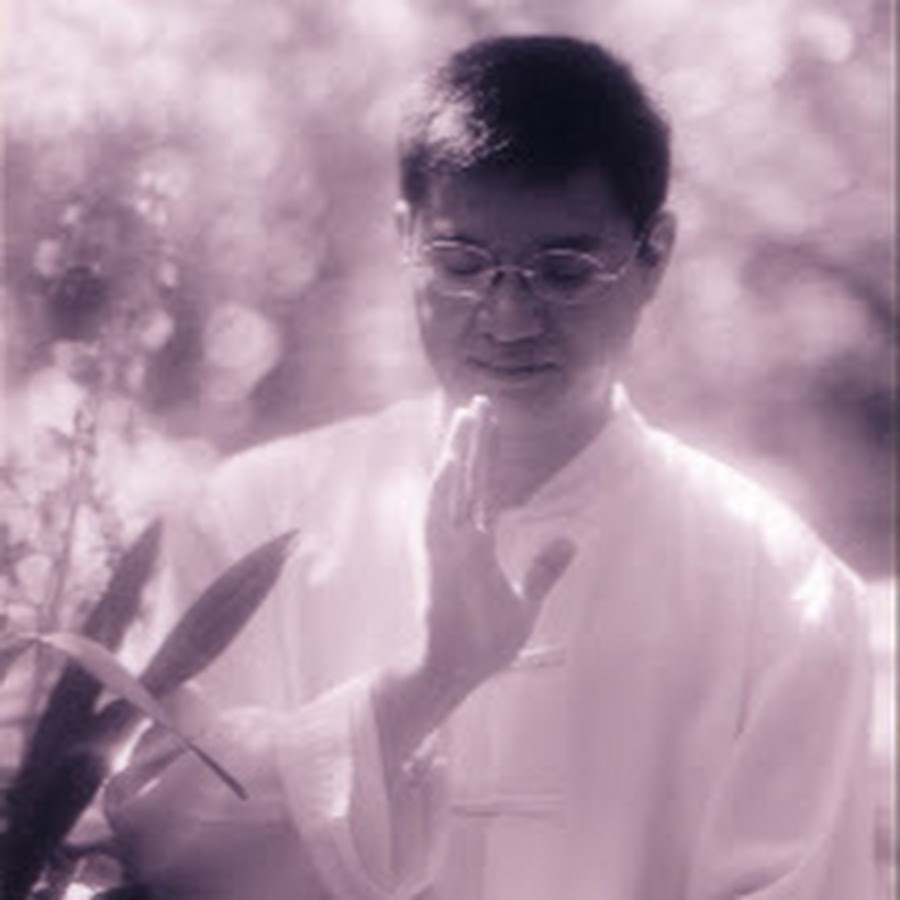
Robert Peng
AboutRobert Peng

World-renowned qigong master and healer trained under legendary monk Xiao Yao in Hunan, China, who has taught over 150,000 students across three continents and been recognized as a…

Ver perfilSite

Continuar lendo

More about Robert Peng

Ver Tudo
Who Is Robert Peng? Life, Work, and Legacy
Artigo

Who Is Robert Peng? Life, Work, and Legacy

Where to Start with Robert Peng: A Beginner's Guide
Artigo

Where to Start with Robert Peng: A Beginner's Guide

Continue explorando

Continue sua jornada

Mais sabedoria e mais encontros de todo o diretório BrightStar.

Mais artigos

Explore a biblioteca completa de ensinamentos, entrevistas e guias.

Voltar a todos os artigos →

Professores e artistas

Conheça as linhagens, os músicos e os guias do mundo consciente.

Explorar artistas →

Encontre um evento

Kirtan, retiros, banhos de som, breathwork, festivais — acontecendo em breve.

Ver eventos →