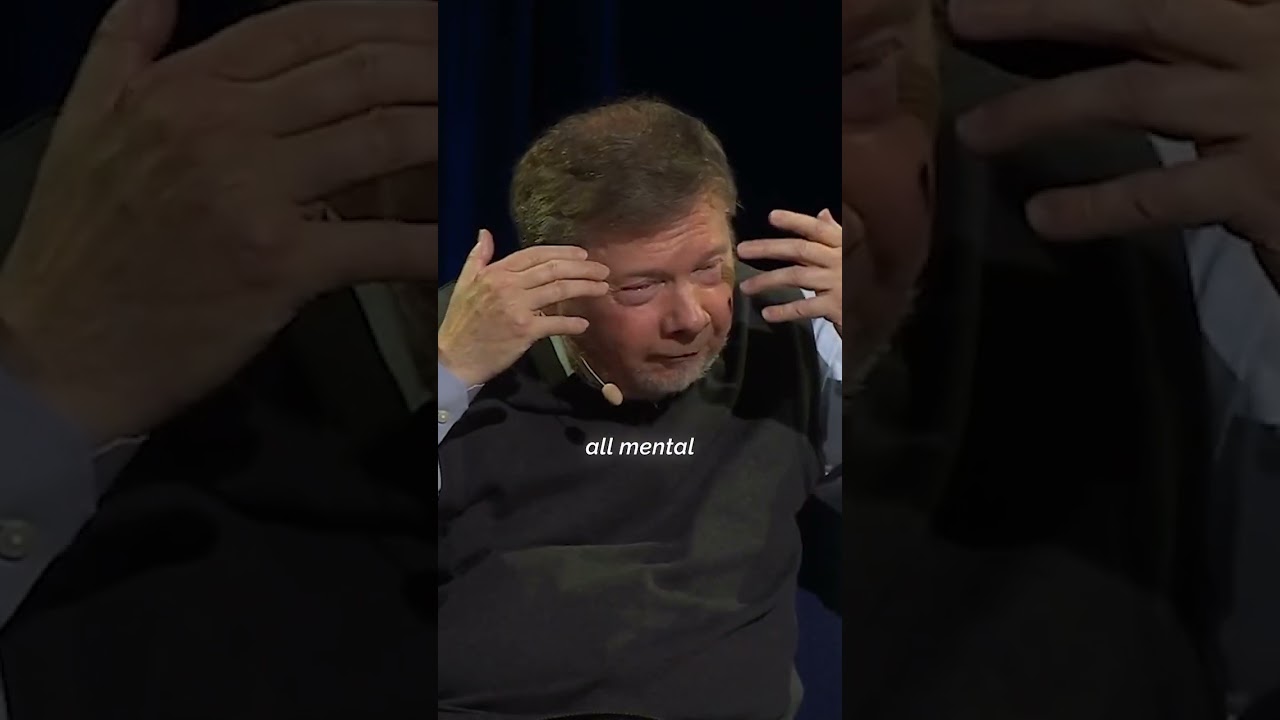
The weight people experience in their lives often stems not from actual circumstances but from the mental narratives and story patterns they construct around those circumstances. Eckhart Tolle identifies this distinction as central to understanding why people remain trapped in misery—the story becomes heavier than the reality itself. By recognizing that suffering is often a product of thought patterns rather than objective life conditions, individuals gain the possibility of stepping out of these narratives and finding relief.
What Is the Difference Between Your Life and Your Life Story?
Most people conflate two distinct things: what is actually happening in their lives and the interpretive narrative they have created about what is happening. The actual events—the daily challenges, relationships, work situations, and circumstances—exist in the present moment. But what most people experience as "their life" is not the raw reality; it is the story layered on top of it.
This story is constructed from patterns of thinking, interpretation, and emotional reaction. It includes the meaning people assign to events, the way they frame their past, the conclusions they draw about their worth, and the predictions they make about their future. The story often contains judgments: this is bad, this means something about me, this proves that things never work out, this is unfair. Over time, these interpretive layers accumulate into a narrative identity—a sense of self defined by hardship, injustice, limitation, or struggle.
The crucial insight is that this story exists primarily in thought and emotion, not in present-moment reality. When someone says "my life is miserable," they are often referring to the story they tell themselves about their life, not to the actual present-moment experience of living it.
How Does the Ego Create and Maintain Life Stories?
The mind has a natural tendency to seek patterns, create coherence, and build a sense of continuity through narrative. This is not inherently a problem, but when the mind becomes trapped in repetitive thought patterns—especially negative ones—the story becomes increasingly heavy. Each thought reinforces the pattern, each memory gets reprocessed through the existing narrative framework, and soon the story feels like an unchangeable fact about reality itself.
According to Tolle's work, this process is often driven by what he calls the ego—the constructed sense of self that derives meaning and identity from problems, victimhood, and struggle. The ego is invested in the story because the story gives it substance. Without the narrative of struggle, the ego has less grip. This creates a paradoxical situation where people may unconsciously maintain their stories precisely because those stories have become central to their identity.
The story also serves a protective function in the mind's logic. If life is difficult because of circumstances, other people, past events, or inherent limitations within the person, then at least the difficulty makes sense. It is comprehensible. The alternative—that suffering is largely self-created through thought patterns and interpretation—can feel more destabilizing because it implies responsibility and the possibility of change.
Why Does the Story Feel More Real Than Reality?
One of the most disorienting aspects of being caught in a life story is that the story begins to feel like the most real thing of all. This happens because stories engage emotion, memory, and anticipation—all of which feel vivid and compelling. When someone repeatedly thinks about how they have been wronged, or how the world is stacked against them, or how they are fundamentally broken, these thoughts generate emotional energy. The emotional charge makes the story feel substantial and undeniable.
Meanwhile, the present moment—where actual life is occurring—is comparatively quiet and unadorned. The present moment contains whatever is actually in front of you: a task to do, a conversation to have, a sensory experience. It does not come with the intense emotional charge of a familiar story. This makes the present moment feel less real to people who are heavily identified with their narratives.
Additionally, the past (where the story originates) and the future (where the story predicts disaster or vindication) feel very real when you are thinking about them. But they are not present. The story creates a sense of continuity and weight by constantly referencing what has been and what will be, while the present moment—the only place life is actually occurring—becomes increasingly abstract and ignored.
What Is the Cost of Living Inside a Miserable Life Story?
When someone is deeply identified with a narrative of misery, the cost accumulates in multiple ways. First, the story creates a lens through which all new experience is filtered. Events get interpreted in ways that confirm the existing narrative. If the story is "my life never works out," then setbacks are experienced as proof, and successes are minimized or reframed as temporary flukes. The world is perceived selectively to support the story.
Second, the story creates psychological weight that is carried every day. This is the heaviness Tolle refers to—not the weight of actual life circumstances, but the weight of constantly thinking about, defending, explaining, and reinforcing the narrative. Someone carrying the story "my childhood was traumatic and I will never recover" is not just living with the memory of the past; they are continuously re-inhabiting it emotionally and mentally.
Third, the story limits possibility. If you believe your story is fixed and unchangeable, you naturally make choices from within that belief. You avoid opportunities that contradict the story. You interpret feedback in ways that confirm the story. You may attract or remain in situations that reinforce the story because, paradoxically, the familiar misery feels safer than the unknown that change would bring.
Fourth, the story prevents presence. Presence—direct experience of what is actually happening now—is incompatible with identification with a life narrative. The mind cannot simultaneously be fully present and fully identified with a story about the past and future. This means people caught in miserable stories experience less actual aliveness, joy, and connection than is available to them, because they are absent from their own lives, lost in thought.
How Can Someone Recognize They Are Trapped in a Story?
Recognition is the first step toward freedom. Some signs that someone is heavily identified with a life story include: repeatedly telling the same explanation of why things are difficult for them, feeling unable to imagine a different future, experiencing a pervasive sense of heaviness or burden, feeling that circumstances or other people are the primary obstacle to happiness, and interpreting events in ways that consistently confirm an existing belief about limitations or injustice.
Another indicator is the quality of attention. When someone is trapped in a story, their attention is usually in thought—in memories, rumination, worry, and explanation. Their attention is not in direct sensory experience or genuine presence with what is in front of them. They may go through entire days without really noticing what they are doing, where they are, or who they are with, because the story is so loud internally.
It is also worth noticing what gives someone a sense of reality. If thinking about their story gives them a stronger sense of being real, of being someone, of mattering—that is an indication that identity is fused with the narrative. If not thinking about the story creates a sense of emptiness or meaninglessness, that suggests deep identification.
What Happens When the Story Is Released?
The possibility that exists on the other side of releasing a miserable life story is not that life circumstances suddenly become perfect. It is that the heaviness lifts. This is significant because it means that many people are suffering more from their interpretation of their life than from the actual facts of their circumstances.
When someone begins to disidentify from a story—to see it as a pattern of thinking rather than as truth—several things can shift. First, there is often a release of emotional energy. The effort of maintaining a story, defending it, and ensuring all new information fits into it is exhausting. That energy becomes available for other things.
Second, perception changes. When you are not filtered through a fixed narrative, you notice things you had previously missed. You notice where you already have what you thought you were missing. You notice unexpected support or opportunity. You notice aspects of situations that don't fit the story, which you had previously filtered out.
Third, choice becomes possible again. If your life is a fixed story with a determined outcome, there is little point in choosing differently. But if the story is just a story—a mental pattern, not a law of reality—then you can actually choose. You can try new approaches, take risks, reach out differently, learn something new, because you are no longer bound by the belief that the story is inevitable.
Finally, there is an opening to presence. As the mental weight of the story diminishes, there is more space for actual awareness of what is happening. Life begins to be experienced directly, in the present moment, rather than through the filter of interpretation about it. This does not mean life is suddenly perfect; it means life is experienced more vividly, authentically, and with more agency.
Where to go from here
Begin by noticing where you may be carrying a heavy life story. What narrative do you repeat internally or to others about why your life is the way it is? What meaning does that story give you, and what identity does it provide? What would become possible if that story were just a thought pattern, not a fact?
Practice distinguishing between what is actually happening right now and the story about what is happening. Can you separate the event from your interpretation of its meaning? This distinction is not about positive thinking or denial; it is about clarity. It is about recognizing what is real and what is a mental construct.
Notice where your attention habitually goes. Is it in the present moment or in the story? If it is in the story, can you gently bring it back to direct experience? What is actually in front of you, right now? What do you actually sense? Who is actually present in this moment with you? The present moment is not separate from your life—it is your life. The story is the thing that separates you from your life.