EveryEvent ATX

Sfoglia tutti i Events

Live Music Capital of the World

events

Concerts & Live Music
Festivals
Sports & Recreation
Food & Drink
Arts & Culture
Community
Family & Kids
Nightlife
Comedy
Theater
Destinazioni popolari
BaliSedonaLos AngelesCosta RicaNew YorkSan FranciscoAustinMiamiJoshua TreeTulum
Vedi tutte le categorieVedi tutte le destinazioni

Esplora tutte le funzionalità

Strumenti potenti per far crescere i tuoi eventi

Funzionalità della piattaforma

Prezzi dinamici intelligenti
Categorie di biglietti
Posti assegnati
Recupero carrelli abbandonati
Recupero visitatori
Donazioni e prezzi variabili
Sistema affiliati
Scanner biglietti
Codici sconto
Domande personalizzate
Condivisione biglietti
Upsell e componenti aggiuntivi
Analisi e report
Sequenze email
Lista d'attesa / Notifica / Promemoria
Esplora
Discovery HubArtists & PerformersVenuesKnowledge Base
Vedi tutte le funzionalitàChi siamo
PrezziBlog
Language
Saved events
Sfoglia tutti gli eventi

events

Concerts & Live MusicFestivalsSports & RecreationFood & DrinkArts & CultureCommunityFamily & KidsNightlife

Destinazioni popolari

BaliSedonaLos AngelesCosta RicaNew YorkSan Francisco

Esplora

Discovery HubArtists & PerformersVenuesKnowledge Base

Funzionalità della piattaforma

Prezzi dinamici intelligentiCategorie di bigliettiPosti assegnatiRecupero carrelli abbandonatiRecupero visitatoriDonazioni e prezzi variabiliSistema affiliatiScanner bigliettiCodici scontoDomande personalizzateCondivisione bigliettiUpsell e componenti aggiuntiviAnalisi e reportSequenze emailLista d'attesa / Notifica / Promemoria
Vedi tutte le funzionalitàChi siamo
PrezziBlog
AccediRegistratiOrganizzatori di eventi
  • Browse All Events
  • Concerts & Live Music
  • Festivals
  • Sports & Recreation
  • Food & Drink
  • Arts & Culture
  • Community
  • Family & Kids
  • Nightlife
  • Tutte le categorie →
  • San Antonio
  • Hill Country
  • Fredericksburg
  • Houston
  • Dallas
  • All Destinations →
  • For Promoters
  • For Artists
  • For Venues
  • For Festivals
  • For Event Spaces
  • For Nonprofits
  • For Bloggers
  • For Speakers
  • Brand Ambassador
  • Case Studies
  • Rete di 350K+ acquirenti
  • Recupero carrelli abbandonati
  • Prezzi dinamici intelligenti
  • Categorie di biglietti
  • Eventi ricorrenti
  • Posti assegnati
  • Sistema affiliati
  • Lista d'attesa / Notifica
  • Scanner biglietti
  • Widget incorporabile
  • Distribuzione eventi
  • Centro messaggi
  • Integrazioni
  • Report
  • Tutte le funzionalità →
  • Chi siamo
  • L’ecosistema
  • Blog
  • Glossario
  • Ispirazione
  • Centro assistenza
  • Contatti
  • Documentazione API
  • Risorse del brand
  • Carriere
  • Stampa
  • Termini di servizio
  • Informativa sulla privacy

Events

  • Browse All Events
  • Concerts & Live Music
  • Festivals
  • Sports & Recreation
  • Food & Drink
  • Arts & Culture
  • Community
  • Family & Kids
  • Nightlife
  • Tutte le categorie →

Getaways

  • San Antonio
  • Hill Country
  • Fredericksburg
  • Houston
  • Dallas
  • All Destinations →

For Organizers

  • For Promoters
  • For Artists
  • For Venues
  • For Festivals
  • For Event Spaces
  • For Nonprofits
  • For Bloggers
  • For Speakers
  • Brand Ambassador
  • Case Studies

Funzionalità

  • Rete di 350K+ acquirenti
  • Recupero carrelli abbandonati
  • Prezzi dinamici intelligenti
  • Categorie di biglietti
  • Eventi ricorrenti
  • Posti assegnati
  • Sistema affiliati
  • Lista d'attesa / Notifica
  • Scanner biglietti
  • Widget incorporabile
  • Distribuzione eventi
  • Centro messaggi
  • Integrazioni
  • Report
  • Tutte le funzionalità →

Azienda

  • Chi siamo
  • L’ecosistema
  • Blog
  • Glossario
  • Ispirazione
  • Centro assistenza
  • Contatti
  • Documentazione API
  • Risorse del brand
  • Carriere
  • Stampa
  • Termini di servizio
  • Informativa sulla privacy
EveryEvent
© 2026 EveryEvent Austin. Tutti i diritti riservati.
Inspiration

Likita Japa: Writing theName for Deep Focus

Jai Uttal
Jai Uttal
Nov 8, 2016
5 min di lettura
Guarda · 4

Likita Japa—the practice of writing sacred names, particularly "Ram"—is a powerful method for anchoring attention and deepening focus on the divine. By engaging both the hand and mind in the repetition of a sacred name, this practice creates a visceral, embodied form of meditation that quiets the mental chatter and establishes a direct relationship with the object of devotion.

Lettura · 7 sezioni

What Is Likita Japa?

Likita Japa is a Sanskrit term that combines "likita" (written) and "japa" (repetition or chanting). Unlike verbal or mental repetition of a mantra or sacred name, likita japa involves writing the name over and over, typically in a journal or dedicated notebook. In this practice, Jai Uttal demonstrates the act of writing "Ram" repeatedly—the name of the Hindu deity and avatar—as a form of focused devotion.

The practice engages three dimensions of awareness simultaneously: the movement of the hand, the visual tracing of letters, and the mental repetition of the sacred name. This multi-sensory engagement creates what practitioners describe as a state of relaxed, yet alert, attention.

Why Writing the Name Focuses the Mind?

Writing differs from speaking or silently repeating a mantra in a crucial way: it requires continuous motor engagement. The hand must keep moving, the pen must keep pressing, and the eyes must track the formation of each letter. This leaves less room for distraction or the kind of passive, half-aware chanting that sometimes accompanies verbal japa.

When the mind wanders—which it inevitably does—the act of writing interrupts the distraction. You cannot write the name and simultaneously engage in an entirely different thought stream. The physical repetition anchors consciousness to the present moment and to the object of devotion. Over time, this creates a groove in the nervous system, a kind of devotional muscle memory.

The Role of Time and Persistence in Likita Japa

Jai Uttal's demonstration takes place late at night, in a diary, with the intention to spend sustained time with the practice. This reflects a traditional understanding of likita japa: it is not meant to be rushed or performed mechanically for a few minutes. Rather, it calls for a patient, immersive engagement—sitting down and writing the name again and again until the boundary between the writer, the writing, and the name itself begins to dissolve.

The repetition itself becomes a form of conversation. Each time "Ram" is written, the devotee is not merely recording a name—they are invoking, calling upon, and creating an intimate relationship with the divine presence that the name represents. In Hindu tradition, the name is not separate from the named; to invoke the name is to invoke the presence itself.

How Does Likita Japa Differ from Other Forms of Japa?

There are several traditional forms of japa, each suited to different temperaments and circumstances. Verbal japa (chanting aloud) creates sound vibration and can energize the body. Mental japa (silent repetition) is portable and can be practiced anywhere. Likita japa, by contrast, creates a physical record and requires a specific place and time—but it offers a profound deepening of concentration precisely because of that commitment and structure.

For those with active minds or those who struggle to sit still, likita japa can be particularly effective. The hand's movement provides what some traditions call a "mudra" or gesture of devotion. The eyes remain engaged. The body is involved. This integration of body, voice, and mind is central to many contemplative traditions across cultures.

Can Likita Japa Be Practiced with Any Sacred Name?

While Jai Uttal's example uses "Ram," likita japa can be practiced with any sacred name that holds significance for the practitioner. In Hindu tradition, popular names include Krishna, Shiva, Durga, or the mantra "Om." In other traditions, practitioners might write "Hallelujah," "Jesus," "Allah," "Shalom," or any name or phrase that invokes the sacred for them. The efficacy of the practice does not depend on the specific name but on the sincerity of the intention and the consistency of the repetition.

Some practitioners create visual artistry around their likita japa, using calligraphy or decorative script. Others keep the writing simple and plain, focusing on the repetitive motion itself rather than aesthetic beauty. Both approaches are valid; the practice adapts to the inclination and temperament of the individual.

The Meditative State Induced by Repetitive Writing

Neuroscience research on repetitive practices suggests that such activities activate the parasympathetic nervous system—the "rest and digest" branch of the autonomic nervous system. The rhythmic, predictable motion of writing, combined with the singular focus on one word or name, can produce a state of deep calm and presence. This is not a blank state or a dissociative trance; rather, it is a state of alert awareness—the mind is engaged, but it is engaged entirely with one object.

Over weeks and months of practice, likita japa can rewire attention patterns. The mind becomes more stable, less prone to rapid-fire associations and anxious spiraling. The heart becomes more open to the qualities the sacred name represents—in the case of "Ram," often understood as virtue, divine order, and heroic compassion.

Where to Go From Here

If you are drawn to likita japa, begin with a commitment to a specific number of repetitions or a specific duration. Many practitioners aim for 108 repetitions (a sacred number in Hindu and Buddhist traditions), or they dedicate 20–30 minutes each session. Choose a quiet place, a good pen or pencil, and a notebook you can dedicate to this practice. Select a sacred name or phrase that resonates with you—something that, when repeated, reminds you of qualities you wish to cultivate or a presence you wish to invoke.

Approach the practice with patience and without expectation of immediate results. Like any meditation or contemplative discipline, likita japa unfolds its benefits gradually, through accumulated practice rather than special experiences or dramatic shifts. The gift of the practice is the quiet deepening of focus, the settling of the nervous system, and the gradual alignment of the heart with the divine name you inscribe again and again.

Transcript

[0:01] [음악]

[0:06] he라라라라라라 he라라라

[0:21] [음악]

[0:27] [음악]

[0:36] [음악]

[0:38] ama라 -

[0:42] - he R

[0:47] ama라 ama

[0:50] ama he라라

[0:57] [음악]

Jai Uttal
AutoreJai Uttal

American kirtan singer, multi-instrumentalist, and pioneer of devotional sound in the West — one of the central figures, alongside Krishna Das, Snatam Kaur, and Deva Premal, in the…

Vedi il profiloSito web
Esplora i temi
Likita-japaSacred-namesDevotional-practiceMeditationMantra

Hai domande?

Domande frequenti

Likita japa is the practice of writing sacred names or mantras repeatedly as a form of devotional meditation. By engaging the hand, eyes, and mind simultaneously in the repetitive writing of a name, the practice anchors attention to the present moment and creates a direct relationship with the divine presence the name represents.
Writing a mantra (likita japa) requires continuous motor engagement that prevents the mind from wandering as easily as it might during chanting or silent repetition. The physical act of forming letters and moving the hand creates an additional layer of focus and embodied presence that can deepen concentration.
Any sacred name that holds spiritual significance for you can be used—Ram, Krishna, Jesus, Allah, Om, or any phrase that invokes the divine. The specific name matters less than your sincere intention and consistent practice over time.
There is no fixed duration, but many practitioners dedicate 20–30 minutes per session or aim for 108 repetitions (a sacred number in Hindu and Buddhist traditions). The key is consistency and patience, allowing the practice to unfold its benefits gradually through regular engagement.
Yes. The rhythmic, predictable motion of repetitive writing can activate the parasympathetic nervous system, creating a state of calm and alert awareness. Over time, regular practice can help rewire attention patterns and reduce the mind's tendency toward anxiety and rapid-fire thinking.
No. You need only a pen or pencil, a notebook, and a quiet place to sit. Some practitioners use decorative calligraphy, while others prefer simple, plain writing; both approaches are equally valid and effective.
Likita japa is a contemplative technique rooted in Hindu and broader Eastern traditions, but it is nondenominational in practice. Anyone seeking to deepen focus and establish a conscious relationship with a sacred name or intention can benefit from it, regardless of religious background.

Continua a leggere

More from Jai

Vedi Tutto
How the Bauls of Bengal Broke My Sky: A Musician's Search
Featured

How the Bauls of Bengal Broke My Sky: A Musician's Search

A chance encounter on a dirt path in West Bengal led to a musical awakening. Jai Uttal traces how the outcasts of Bengali culture transforme…

1 min read
Hanuman Chalisa for World Peace: Ancient Chant for Modern Times
Featured

Hanuman Chalisa for World Peace: Ancient Chant for Modern Times

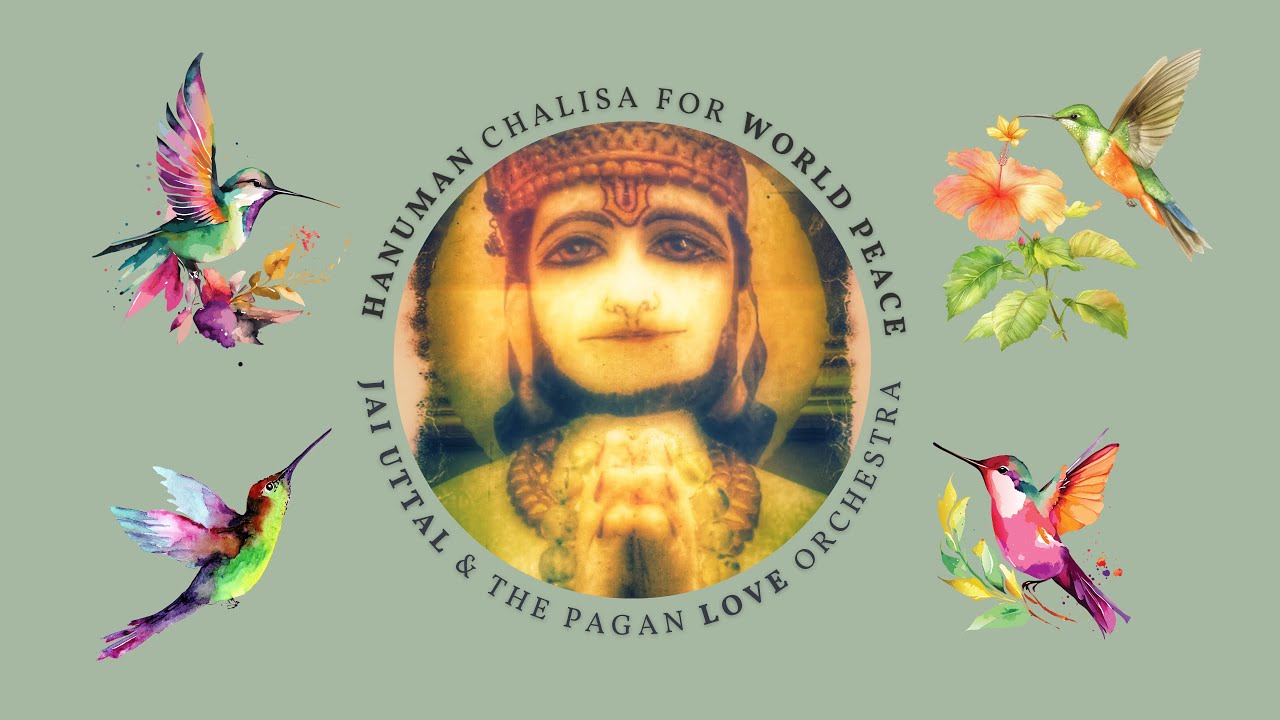
Jai Uttal leads a devotional rendering of the Hanuman Chalisa, a 40-verse Sanskrit hymn invoking strength, clarity, and peace through kirtan…

1 min read
How Sitting Still Proves You're Already Awakening
Featured

How Sitting Still Proves You're Already Awakening

Most people can't sit quietly without discomfort, but if you can, you're already further along spiritually than you realize. Eckhart Tolle e…

1 min read
Chanting Together: The Sacred Practice of Kirtan
Featured

Chanting Together: The Sacred Practice of Kirtan

A Thursday night satsang showcases the transformative power of collective chanting, weaving Sanskrit invocations with musical ensemble and d…

1 min read

Continua a esplorare

Continua il tuo viaggio

Altra saggezza e altri incontri da tutta la directory BrightStar.

Altri articoli

Sfoglia l’intera raccolta di insegnamenti, interviste e guide.

Torna a tutti gli articoli →

Insegnanti e artisti

Esplora i lignaggi, i musicisti e le guide del mondo consapevole.

Esplora gli artisti →

Trova un evento

Kirtan, ritiri, sound bath, breathwork, festival: in arrivo presto.

Sfoglia gli eventi →