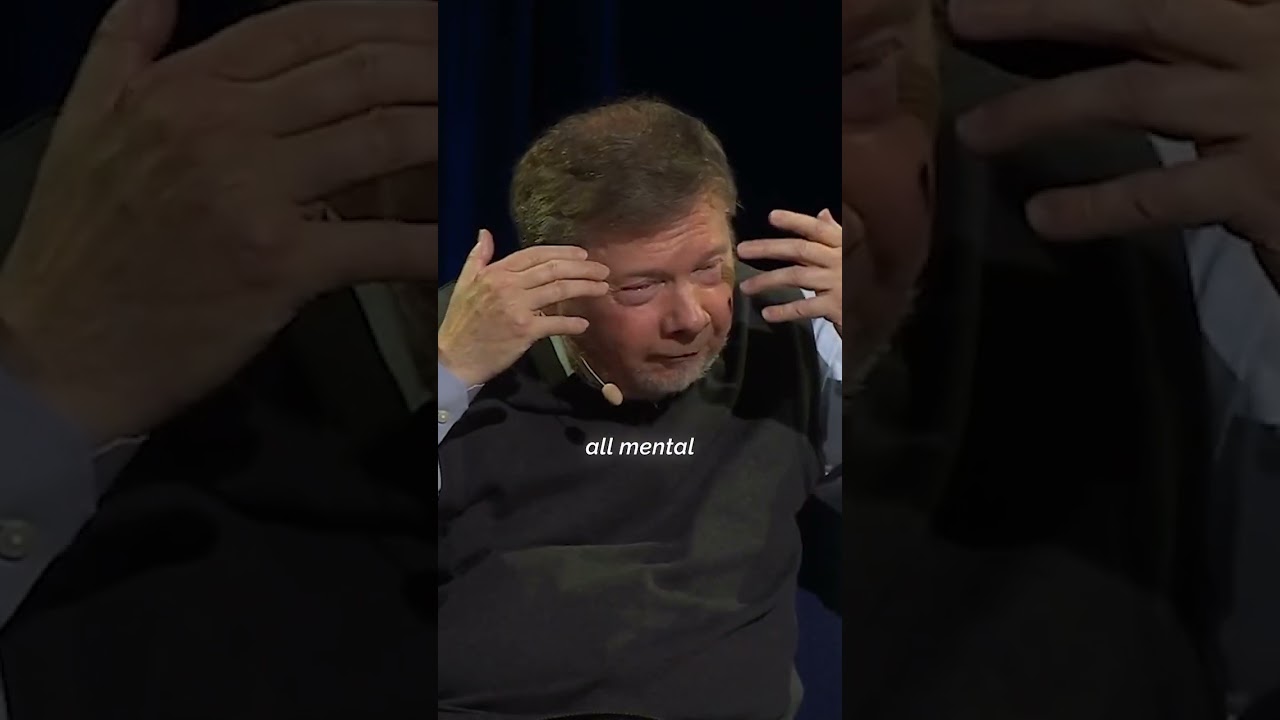
Time initially appears as a generous provider—offering growth, achievement, and accumulation. Yet as we age, time reverses its role and seems to take everything: health, youth, loved ones, and ultimately life itself. Eckhart Tolle suggests that genuine freedom does not emerge from controlling or defeating time, but from recognizing that your essential self—the witnessing awareness you are—exists outside the temporal process entirely. This shift in perspective dissolves the anxiety and defensiveness that arise when we identify exclusively with a body-mind that decays within time's flow.
The Paradox: Time as Giver and Thief
In the first half of life, time appears abundantly generous. Children and young adults experience it as an open field of possibility. Time gives you education, skills, relationships, material possessions, and a sense of accumulation. Each year brings new achievements, new memories, new experiences to add to your sense of self. The future stretches before you with seemingly infinite potential. Time, in this phase, feels like a friend—a vehicle for getting what you want and becoming who you aspire to be.
But the arithmetic of time is deceptive. The same force that gave eventually begins to take. The body ages. Energy diminishes. People you love die. Opportunities narrow. The future, once infinite, becomes visibly finite. The same time that once promised endless accumulation now enforces loss at an accelerating rate. This reversal is why time transitions from friend to foe in human consciousness. It is not that time has changed its nature—only that the illusion of endless gain has shattered against the reality of impermanence.
This shift often triggers existential anxiety. The ego, which is built on a story of continuous acquisition and future security, begins to sense its own obsolescence. Fear emerges not from actual present danger, but from the recognition that time will eventually erase the identity we have constructed. This fear becomes the root of defensive, desperate behaviors: people cling to youth, grasp for immortality through legacy or wealth, or withdraw into denial about mortality itself.
What Actually Persists Beyond Time?
Tolle points toward a radical realization: the part of you that is most real—the awareness that witnesses all of time's comings and goings—is not itself subject to time. This is not a metaphysical claim about an afterlife or a soul in the traditional sense. It is a direct observation about the nature of consciousness itself.
Consider: you are aware of time passing. You experience moments arising and dissolving. But the awareness itself that observes this flow—what is it? It does not age. It does not accumulate. It does not decay. The same consciousness that looked out through your eyes at age five is the same consciousness looking out now. It has not changed in nature, only in the form it inhabits. Bodies change, thoughts change, emotions change, but the witnessing presence—the I am that is aware of all these changes—remains fundamentally unchanged.
This distinction is not poetic metaphor. It is the basis of a direct shift in identification. Most people identify themselves exclusively with the person—the name, the history, the body, the thoughts, the roles. This identity is entirely embedded in time and therefore entirely vulnerable to time's erosions. But if you shift identification to the awareness that witnesses the person, you align yourself with something that is untouched by temporal process.
How Identification Creates the Enemy
The conflict with time arises entirely from misidentification. When you believe you are the body-mind organism, time becomes your adversary because that organism is subject to its laws. When you believe you are the accumulation of achievements and possessions, time becomes a thief because those accumulations are always threatened by loss. When you believe you are the personal story with a beginning and end, time becomes a countdown.
Yet none of these identifications are complete. You are aware of your body, but you are not only the body. You are aware of your thoughts, but you are not only your thoughts. You witness your emotions, but you are not those emotions. What witnesses all of these things? This question, pursued sincerely, reveals something that does not change—the fundamental sense of presence or being that is prior to all content of consciousness.
Freedom, from this perspective, is not freedom from time. You still live in time; you still age; you still participate in the temporal world. But freedom is freedom from the anxiety of defending a separate identity against time's erosion. It is the relaxation that comes from no longer identifying exclusively with something you watch change.
From Resistance to Acceptance
As long as time is experienced as an enemy, there is resistance. This resistance is exhausting. People spend enormous energy trying to preserve youth, deny aging, accumulate more before it's "too late," or distract themselves from mortality. This defensive posture creates suffering independent of any actual loss.
When the realization settles that your essential nature is untouched by time, something else becomes possible: acceptance. Not resignation or passivity, but a genuine okayness with the temporal dance. You can still prefer health to illness, youth to age, life to death—but without the desperate clinging that makes these preferences into sources of suffering. You can still plan and work toward goals, but without the frantic energy that comes from believing your entire existence depends on the outcome.
This acceptance paradoxically allows for a different quality of living. When you are not constantly braced against loss, when you are not defending a rigid identity, you become more flexible, more present, more capable of genuine engagement with life as it actually is rather than as you fear it will become.
The Practical Shift
This understanding is not meant to be a mere intellectual belief. The invitation is to notice, in your direct experience, the presence that is aware right now. Not the content of awareness—not the thoughts, sensations, or perceptions—but the awareness itself. This is not a thought or an experience you are having; it is what has all experiences. It does not disappear in sleep or in deep meditation. It is continuous and unchanging even though everything it witnesses constantly changes.
From this noticing, a natural realignment occurs. You begin to recognize yourself as this aware presence more than as the temporal entity moving through time. This is not suppression of the personal self or denial of its reality, but a shift in the center of gravity of identification. The personal self continues to exist and function, but it is no longer the totality of who you are.
When this shift occurs, time loses its grip as an enemy. It becomes simply what it is—a dimension of existence within which form manifests and dissolves. And you discover that the part of you that is aware of all this—your true nature—has never been born and will never die. Time has not touched it. It never will.
Where to Go From Here
Begin with simple observation rather than belief. In quiet moments, notice the quality of presence that is aware of your breath, your surroundings, your thoughts. Do not try to create or cultivate it; it is already here. Simply notice that you are aware. Then notice that this awareness does not age, does not fear, does not grasp. It is simply present. Return to this noticing regularly, and the shift from identifying with the temporal person to identifying with timeless presence naturally unfolds. This is not a doctrine or a philosophy to adopt, but a discovery available to direct experience.