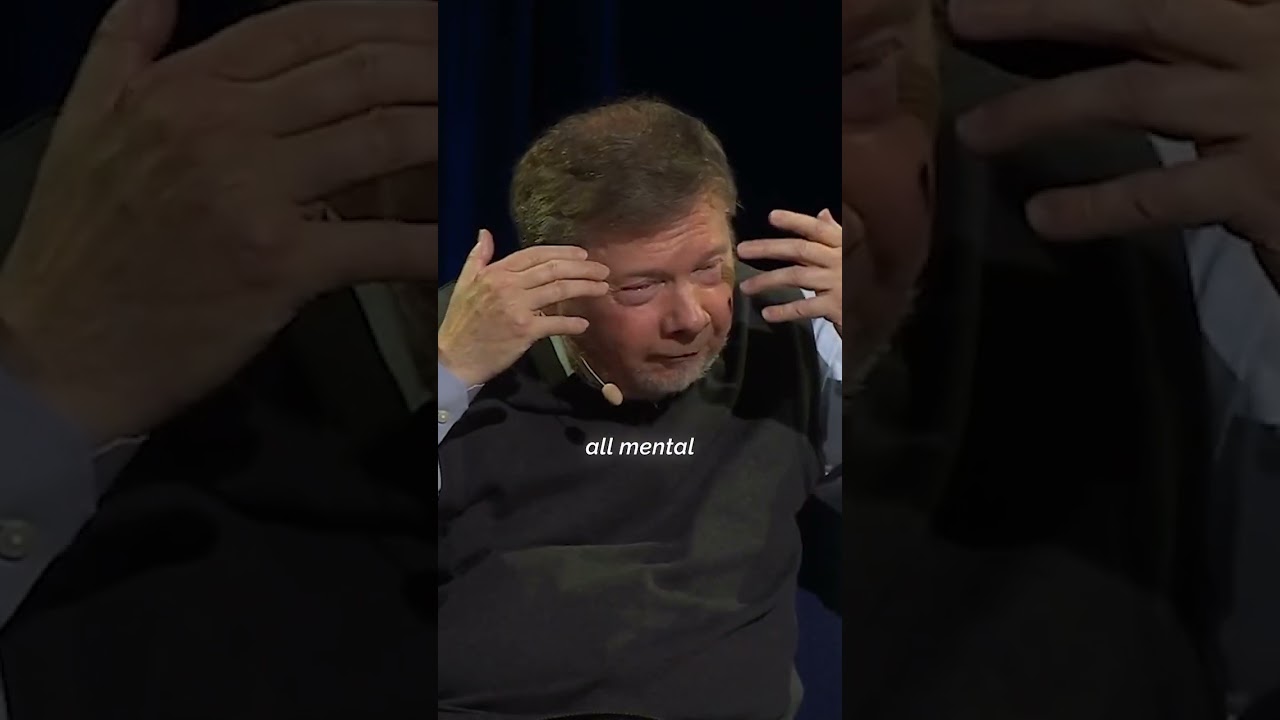
Most people attribute irritation and unhappiness to external circumstances—traffic, other people's behavior, workplace stress. But according to Eckhart Tolle, the actual source of frustration is the mental story we add on top of what's happening. The situation itself is neutral; the narrative we construct around it—the judgment, the interpretation, the "this shouldn't be this way"—is what generates emotional friction. By bringing awareness to this mechanism and returning to simple presence, we can observe situations without the reactive overlay that usually triggers irritation.
Why Situations Alone Don't Cause Irritation
When someone cuts us off in traffic, or a colleague doesn't respond to an email promptly, or a family member forgets something we mentioned, we typically feel irritated. Our first instinct is to blame the situation: "That driver is reckless," "My coworker is disrespectful," "My partner never listens." The external circumstance appears to be the culprit.
However, Tolle points to a more subtle truth: the situation by itself is just a fact. A car moved into your lane. A person did not send an email. These are bare events. What transforms these neutral facts into sources of frustration is the mental story we generate about them. The story includes judgment ("this is bad"), interpretation ("they did this on purpose"), comparison ("this shouldn't be happening"), and often a sense of personal offense ("they're disrespecting me").
The irritation emerges not from the event itself, but from the gap between what happened and what we think should have happened. We live in the mental narrative rather than in the actual moment. And that narrative is almost always constructed from a place of ego—a sense of how things ought to be, how people ought to behave, how the world ought to organize itself around our expectations.
How the Mind Creates Frustration Through Judgment
Tolle explains that the mind's default operating mode is to evaluate and judge everything that occurs. This evaluation happens so quickly that we often mistake it for reality itself. We don't see a situation neutrally; we immediately assign it meaning. "This is unfair," "This is wrong," "This is an inconvenience to me." These judgments feel like they're describing objective reality, but they're actually mental overlays.
Consider a common example: your plans change unexpectedly. The bare fact is that circumstances have shifted. But the mind immediately generates a story: "This is a problem. This ruins my day. This person is being inconsiderate. Why does this always happen to me?" Notice how quickly judgment stacks on top of judgment, creating a narrative edifice that didn't exist in the moment the change occurred.
What makes this pattern particularly sticky is that the judgments feel true and justified. The mind can provide plenty of evidence for why the situation really is bad, why the person really is inconsiderate, why your irritation is completely reasonable. The mind is exceptionally good at building a coherent story that explains and validates the emotion you're already feeling. This circularity—emotion fueling the story, story reinforcing the emotion—is what Tolle identifies as the trap of chronic irritation.
The Role of the Conditioned Self in Irritation
Behind most irritation lies what Tolle calls "the conditioned self"—the accumulated set of beliefs, memories, and survival patterns that form your psychological identity. This conditioned self is constantly comparing present reality to how it thinks things should be based on past experience. It's defending its territory, protecting its identity, ensuring it's not disrespected or overlooked.
When the world doesn't align with the conditioned self's expectations, irritation arises. The self takes things personally because, for the conditioned self, everything is personal—everything relates back to whether the self is being validated, respected, or threatened. Someone cutting you off in traffic isn't just a driving error; it becomes evidence that people are careless or that the world is chaotic or that you're not safe. The conditioned self weaves these interpretations together into a story that feels urgent and true.
This pattern becomes habitual. Over time, chronic irritation sets in. You're not just irritated about individual incidents; you develop a baseline expectation that the world and people in it will frustrate you. This expectation then colors how you perceive and interpret new situations, creating a self-reinforcing cycle.
What Is Presence and How Does It Interrupt Irritation?
Presence, in Tolle's teaching, means conscious awareness of what is happening right now, without the layer of mental interpretation. It's the simple noticing of your breath, your body, the sounds around you, the direct sensory reality of the moment. Crucially, presence doesn't deny what happened or pretend emotions aren't there. Rather, it creates space between you and your automatic reactive patterns.
When you're in genuine presence, the mental story-generation mechanism loses its grip. You can observe your thoughts and feelings without identifying with them completely. If you're stuck in traffic, presence might feel the frustration in your body, notice the thought "I'm going to be late," but remain aware of the breath and the sensation of the car seat beneath you. The story doesn't disappear entirely, but it loses its dominance. You're no longer completely fused with the narrative; you're aware of it as a mental event occurring within a larger field of consciousness.
This shift is subtle but powerful. It's not about suppressing irritation or pretending to be zen. It's about developing enough conscious distance from the mental story that it no longer runs your emotional and physical state. You can acknowledge the inconvenience without adding layers of judgment about what the inconvenience means about you, about others, or about life.
Presence in Relationships: A Practical Application
Irritation tends to be especially sharp in intimate relationships and frequent interactions. A partner forgets something, speaks in a particular tone, or doesn't do something the way you expected. The potential for the conditioned self to activate is high because relationships trigger deep-seated patterns around being seen, valued, and understood.
Tolle suggests that presence transforms these moments. Instead of immediately retreating into the story ("They never listen," "They don't respect me," "This proves I'm not important to them"), you can pause and notice what's actually happening. The other person did a particular action. Your body is reacting with tension or tightness. The mind is generating interpretations. By bringing awareness to these layers rather than collapsing into the story, you create the possibility of responding rather than reacting.
A response that comes from presence often softens the interaction. You might address the specific behavior without the accumulated weight of judgment and personal offense. Instead of "You never listen to me" (which is a story), you might say "I mentioned this yesterday, and I'm noticing I feel unheard." The second statement is grounded in what actually happened and what you actually feel, rather than a generalization filtered through the conditioned self's interpretation of what it means.
This distinction fundamentally changes the dynamic. The other person is less likely to become defensive because they're not being attacked as a person or character. And you remain more connected to your own authentic experience rather than locked in a reactive pattern.
How to Cultivate Presence When Irritation Arises
Cultivating presence is a practical skill, not an exotic spiritual attainment. Tolle emphasizes simplicity. When you notice irritation arising—or even better, when you notice the thought or situation that typically triggers it—pause and direct your attention to something immediately present. Feel your feet on the ground. Notice your breathing. Listen to the actual sounds around you, not your mental commentary about them.
This redirection doesn't require you to change your thoughts or force positivity. You're simply anchoring your awareness in direct experience rather than in the thinking mind. Even thirty seconds of genuine presence can break the spell of a reactive story. You don't have to maintain it permanently; you just need to interrupt the automaticity of the pattern often enough that you gain some freedom within it.
Over time, as presence becomes more familiar, you can recognize irritation arising without being swept away by it. You notice "I'm beginning to tell the story that this person is inconsiderate" rather than becoming completely identified with that story. This noticing itself is presence, and it's liberating. It means you're no longer simply at the mercy of the conditioned self's interpretations.
The Distinction Between the Situation and the Story
One of Tolle's most useful distinctions is this: situations don't have emotional valence until we add a story to them. A rainy day is not inherently sad. A delayed flight is not inherently a disaster. A critical comment from a colleague is not inherently a rejection. These are stories we add—often very quickly and unconsciously. And because we add them so automatically, we mistake them for reality.
By developing the capacity to observe this gap—the gap between the situation and the story—you gain agency. You're no longer completely determined by your conditioning. You can feel frustrated about the delay without spiraling into "This always happens to me" or "The universe is against me." The frustration is real, but it doesn't need to generate an elaborate narrative that compounds the original discomfort.
Where to Go From Here
The invitation Tolle extends is to experiment with presence in your own life. Notice the next time you feel irritated. Rather than trying to change the emotion or the situation, simply get curious about the story. What is the mind saying about what happened? What judgment is it making? What belief about yourself or others is it protecting? Just by observing these patterns with awareness, you begin to loosen their grip.
You might also explore anchoring to the present moment throughout your day, not just in moments of crisis or irritation. The more familiar you become with presence during ordinary moments, the more accessible it becomes when difficult emotions arise. And as your capacity for presence deepens, chronic irritation gradually loses its dominance. You still encounter situations that are inconvenient or unpleasant, but you're no longer adding unnecessary suffering through the stories you tell about them.