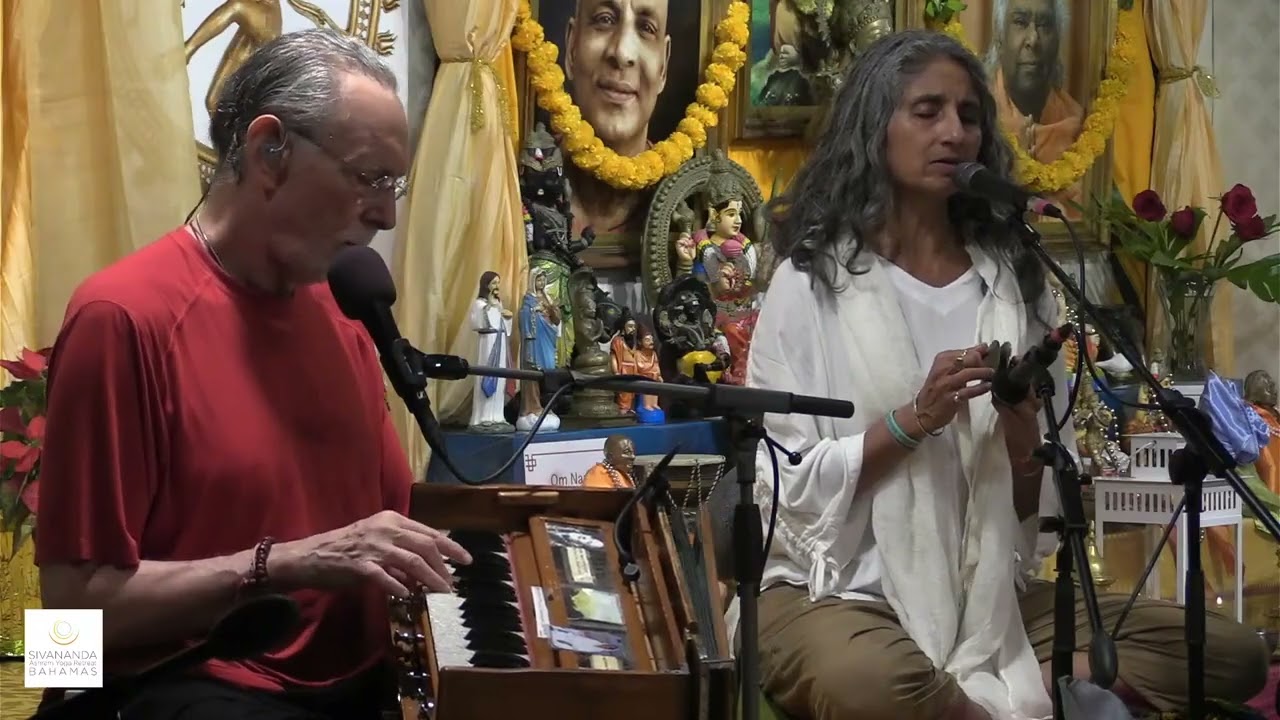
The Hanuman Chalisa is a devotional practice that clears blockages in the heart and mind, uncovering the innate beauty and love within us. Krishna Das describes it as a spiritual technology for cultivating inner peace—which becomes the foundation for peace in the world. Chalisas for Peace 2026, led by Krishna Das on Hanuman Jayanti (April 2), is a 16-hour global online event that combines this ancient recitation with fundraising for Go Dharmic, an organization that feeds people in need. Every chant becomes both a personal practice and a prayer for world peace and compassion.
What is the Hanuman Chalisa and How Does It Work?
The Hanuman Chalisa is a 40-verse devotional hymn written in the 16th century by the poet Tulsidas, traditionally recited in Sanskrit and Hindi. According to Krishna Das's framing at the opening of Chalisas for Peace 2026, the Hanuman Chalisa functions as more than a memorized text—it is "a spiritual practice that removes the blockage in our hearts and minds" (0:13–0:18). This removal of blockage is the mechanism by which the practice "uncovers the beauty and love that lives within us" (0:21–0:25).
Neem Karoli Baba, the revered 20th-century Indian saint and guru, taught that the Hanuman Chalisa "has the power to change fate," suggesting that the recitation operates not merely as petition but as a transformative force. The practice redirects consciousness inward, clearing what Krishna Das identifies as obstacles to the expression of our inherent nature. Rather than introducing something foreign, the Chalisa is presented as a means of removing what obscures our capacity to love, think clearly, and access peace.
Why Does Peace Start Within?
Krishna Das opens the session with a foundational principle: "Peace starts within" (0:10). This is not poetic metaphor but a diagnostic claim about how peace functions in the world. If blockages in individual hearts and minds prevent the expression of inner beauty and love, then external peace is impossible without internal clearing.
The logic is causative: world peace and the compassion we extend to others cannot exceed the peace and clarity available within ourselves. The Hanuman Chalisa addresses this by working directly with the root condition—the blockages, mental confusion, and heart closure that prevent us from accessing or expressing the love that "lives within us." When practitioners recite the Chalisa, they are not asking for peace to arrive from outside but rather removing the obstruction to the peace already present.
How Does Chanting the Hanuman Chalisa Support Service?
Chalisas for Peace 2026 integrates spiritual practice with direct action through its partnership with Go Dharmic, described as "an incredible foundation organized by Hanuman Das" (0:27–0:33) that exists to "feed people" (0:33–0:37). The event functions as a fundraiser, allowing participants to dedicate their practice to both inner transformation and the welfare of those experiencing hunger.
Participants can "dedicate a chalisa to your loved ones, transforming your devotion into action by helping feed people in need." This structure honors the traditional Hindu principle of karma yoga—the yoga of selfless action—by linking contemplative practice to concrete service. The fundraiser model means that every person who registers, listens, and chants contributes to sustaining Go Dharmic's feeding programs while deepening their own spiritual practice.
This dual orientation reflects a teaching often attributed to Hindu and Buddhist traditions: that true spiritual development includes both internal clarity and external compassion. By dedicating a chalisa to loved ones or to the welfare of those in need, participants embody what Go Dharmic's mission frames as "Love All. Feed All. Serve All."
What Is the Intention Behind the Global Gathering?
Krishna Das frames the practice in explicitly universal terms: "With this practice, we dedicate our aspiration for that there be peace in the world and in the hearts of all beings" (0:41–0:50). This aspiration is not narrow or sectarian; it encompasses all beings, not merely participants or any particular community.
The 16-hour global gathering on Hanuman Jayanti (the birth anniversary of Hanuman) creates a massive collective container for this intention. Hanuman Jayanti is a traditional day of celebration honoring Hanuman, the monkey devotee celebrated in Hindu texts for his unwavering devotion, courage, and service. Marking Chalisas for Peace on this date amplifies the resonance, as Hanuman himself embodies both fierce courage and absolute surrender to a cause larger than himself.
The event description notes it as "the world's biggest Hanuman Janmotsav celebration," suggesting that the scale itself—thousands or tens of thousands chanting simultaneously across time zones—becomes part of the intention. In many spiritual traditions, collective practice is understood to amplify the field of consciousness and prayer. By gathering globally, participants aim to create a resonance that extends beyond individual benefit.
How Do I Participate in Chalisas for Peace 2026?
The event is free to register and join. Participants can listen and chant along to Krishna Das's recitation of the Hanuman Chalisa in real time on April 2, 2026. Hanuman Jayanti is traditionally celebrated in the spring month of Chaitra; this year it falls on April 2.
The 16-hour format accommodates participants across all time zones, allowing someone in any location to join during hours that suit them. Krishna Das invites everyone to "follow along and sing with us," making the practice accessible whether participants know the Sanskrit by heart or simply wish to join in the devotional atmosphere.
For those who wish to contribute financially to Go Dharmic while participating, donations can be made through the event registration page. Participants are encouraged to dedicate their chanting to specific loved ones or causes, personalizing the practice while contributing to a global field of compassion and service.
What Role Does Hanuman Play in This Practice?
Hanuman is the central figure of the Hanuman Chalisa, and his qualities inform the practice. In Hindu mythology and devotional tradition, Hanuman is revered as the embodiment of devotion, courage, strength, and service. He is known for his unwavering commitment to Lord Rama and his willingness to act with complete dedication to a purpose larger than himself.
The practice of chanting the Hanuman Chalisa invokes these qualities—not through belief alone, but through the resonance of the Sanskrit syllables and the focus on Hanuman's archetypal power. Krishna Das and the broader kirtan tradition understand that reciting the Chalisa attunes consciousness to the qualities Hanuman represents: loyalty, fearlessness, clarity of purpose, and unconditional service to the good of all.
By practicing on Hanuman Jayanti—his birth day—the gathering amplifies this attunement, creating what Krishna Das describes as a container for peace to emerge both within practitioners and in the world.
Where to Go From Here
If you are drawn to the intersection of spiritual practice and service, register for free at the Eventbrite link (https://www.eventbrite.co.uk/e/chalisas-for-peace-2026-tickets-1414694432129). This is the sixth year Krishna Das has led this practice in support of Go Dharmic's mission. You can deepen your understanding of the Hanuman Chalisa by exploring recordings from previous years or by learning the Sanskrit verses so you can chant along more fully. Consider dedicating your participation to someone or some cause you hold dear—the Chalisa's power, as Neem Karoli Baba taught, is not diminished but rather activated through intention and devotion. If you wish to support Go Dharmic's feeding programs beyond this event, their work continues year-round.