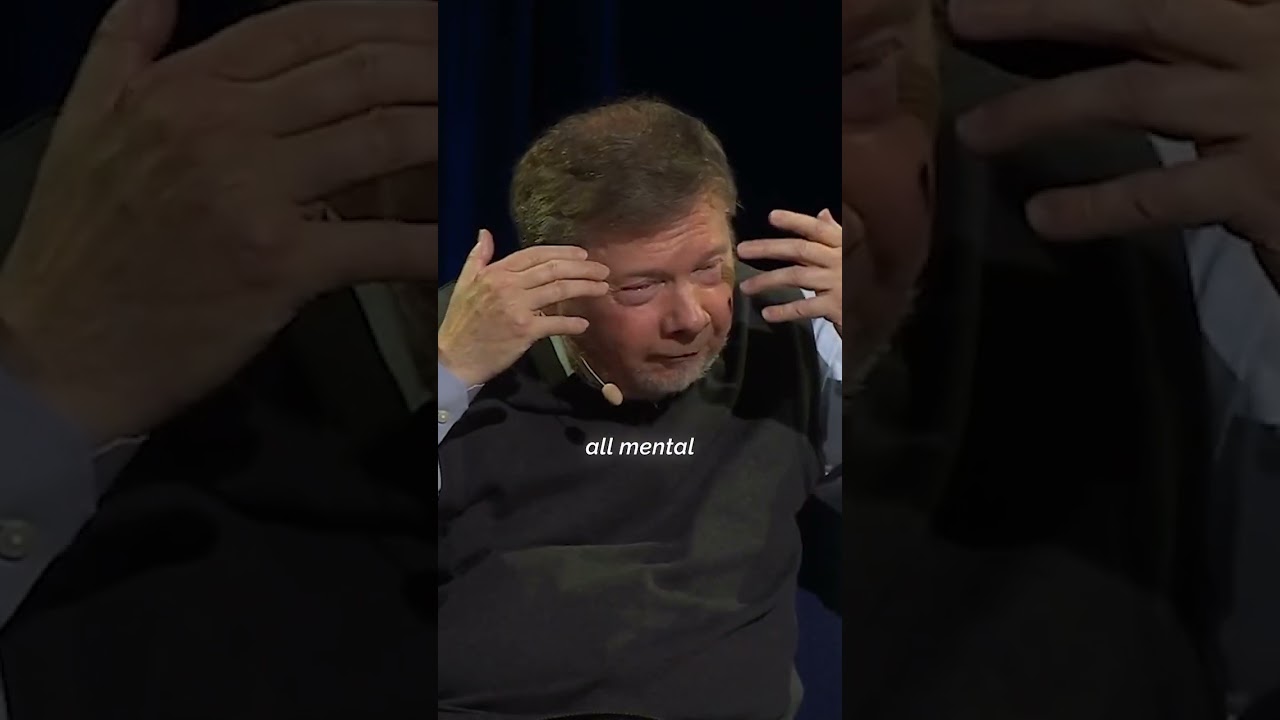
Creativity does not originate in the thinking mind but in a state of alert presence and stillness. When mental chatter quiets, the mind can access genuine novelty instead of repeating conditioned thought patterns. This talk explores how presence—a state of awareness without excessive mental activity—opens the door to authentic creative expression and a more inspired way of living. Rather than forcing ideas through harder thinking, the creative act requires relaxation into presence and trust in what emerges naturally.
Why Thinking Alone Cannot Produce Real Creativity
The conventional assumption is that creativity comes from thinking harder, brainstorming more intensely, or pushing the mind to generate novel ideas. This view treats the thinking mind as the primary creative engine. However, this approach often leads to recycled thoughts and patterns dressed up in slightly different forms. The mind, left to its own repetitive devices, tends to draw from its existing database of experience and knowledge, recombining familiar elements rather than accessing anything truly fresh. When someone tries to force creativity through sheer mental effort, they typically remain trapped in the conditioned patterns of their own consciousness.
The problem is fundamental: the thinking mind operates within the boundaries of what it has already learned and experienced. It cannot generate something entirely new because it works only with what is already known. This is why people who rely exclusively on thinking often find themselves hitting creative walls or producing work that feels derivative, even when technically competent. The mind simply cannot think its way beyond its own limitations.
What Is Alert Stillness and How Does It Enable Creativity?
Alert stillness is a state of consciousness characterized by reduced mental chatter while maintaining full awareness. It is not blank unconsciousness or daydreaming, but rather a quality of presence—being fully here without the constant stream of thinking. In this state, the mind is quiet, but alertness remains intact. This distinction is crucial: stillness is not the absence of awareness but the absence of compulsive thinking.
When the mind enters this alert state, something shifts. The constant internal dialogue that normally filters experience through existing beliefs and patterns begins to settle. In this opening, new possibilities can emerge. Ideas arise not because they were forced into being through mental effort but because the individual has created space for them to appear. This is the paradox of creative work: it requires a letting-go rather than a grasping, a receptivity rather than a forceful reaching.
Alert stillness is not a state one must achieve through complex techniques. It is available in any moment when attention shifts from the thinking mind to simple presence—noticing the breath, the body, the sensory world, the space around you. These simple anchors to the present moment naturally reduce excessive mental activity and create the conditions for creativity to flow.
How Presence Differs From Conditioned Mind Patterns
The conditioned mind operates on the basis of established neural pathways, learned responses, and stored memories. It functions like a database, constantly cross-referencing stored information to generate output. This process is efficient for routine tasks but fundamentally limited in its ability to produce genuine novelty. The mind is essentially a repetition machine—even when it seems to generate new ideas, it is typically recombining old elements in familiar ways.
Presence, by contrast, is a direct engagement with what is happening now, unfiltered by the overlay of past conditioning. In presence, one encounters reality as it is, not as the mind has learned to interpret it. This direct encounter creates the possibility for genuine response rather than conditioned reaction. When a creator—whether writer, musician, visual artist, or thinker—operates from presence rather than from the conditioned mind, they are in contact with something that is not bound by past patterns.
The distinction has practical implications. A person creating from conditioned mind will produce work that reflects their training, influences, and learned habits. A person creating from presence will produce work that, while still bearing their unique voice and skill, has a quality of freshness and aliveness. This is why some artists speak of "channeling" or feeling that ideas came through them rather than from them—they are describing the experience of accessing creative impulse from presence rather than from the thinking mind.
Why Fresh Ideas Arise When Mental Chatter Quiets
When the constant internal dialogue slows down, the mind naturally becomes more receptive. Creativity is not blocked by quietness; it is actually enabled by it. In a quiet mind, subtle signals can be noticed—intuitive promptings, images, connections, and possibilities that would be drowned out by mental noise. Additionally, ideas that have been gestating below the surface of consciousness can emerge more easily into awareness when there is space for them.
This is why many creative people report that their best ideas come not while they are striving but in moments of relaxation—in the shower, during a walk, upon waking, or in meditation. In these moments, the mind has temporarily released its grip, and something new can surface. This is not accident or luck but a natural consequence of how consciousness works. When the mind is quiet, there is less interference with the creative impulse.
Furthermore, a quiet mind is more responsive to the actual situation at hand. A writer working from presence will notice details and subtleties in their subject matter that a writer lost in thought would miss. A musician working from presence will hear new possibilities within the instrument or the harmonic structure. A problem-solver working from presence will notice connections and solutions that would not be visible to someone stuck in habitual thought patterns about the problem. Presence gives access to more information and more possibility because it is not filtering reality through existing ideas about what is possible.
How to Access Presence in Creative Work
The shift from thinking-based creativity to presence-based creativity does not require a radical overhaul of working methods. It begins with a simple intention: to notice when you are lost in thinking and to return to the present moment. This might involve pausing periodically during creative work to notice the breath, the body, or the immediate sensory environment. These brief returns to presence reset the nervous system and allow fresh energy and ideas to flow.
Many creators find it helpful to establish a simple practice: before beginning creative work, take a few moments of stillness. Do not try to generate ideas during this time. Simply be present. Allow the mind to settle. Then begin the actual work from this place of quietness rather than from a state of mental intensity. Often, this simple shift—working from a calm, present state rather than an agitated, thinking state—results in work that is more inspired and flows more easily.
It can also help to release the expectation that ideas must come from effort. When someone tries to force creativity, they create tension that actually inhibits the very thing they are seeking. Instead, trusting that ideas will arise when the conditions are right—when the mind is quiet and present—paradoxically makes it more likely that ideas will come. This is not magical thinking but a natural principle: relaxation and trust create better conditions for creative flow than forcing and grasping.
Where to Go From Here
If you are interested in deepening your understanding of presence and its relationship to creativity, consider exploring practices that cultivate stillness: meditation, conscious breathing, or simple moments of attention to the body and sensory world. Notice in your own creative work when ideas flow easily and when you get stuck, and observe whether the flowing moments tend to be preceded by quietness or by effort. Pay attention to the quality of presence in your daily life and how shifts in presence affect the quality of your attention and the freshness of your responses. Over time, you may find that learning to access alert stillness becomes one of the most valuable skills you can develop—not only for creative work but for all areas of life that require responsiveness, insight, and genuine originality.