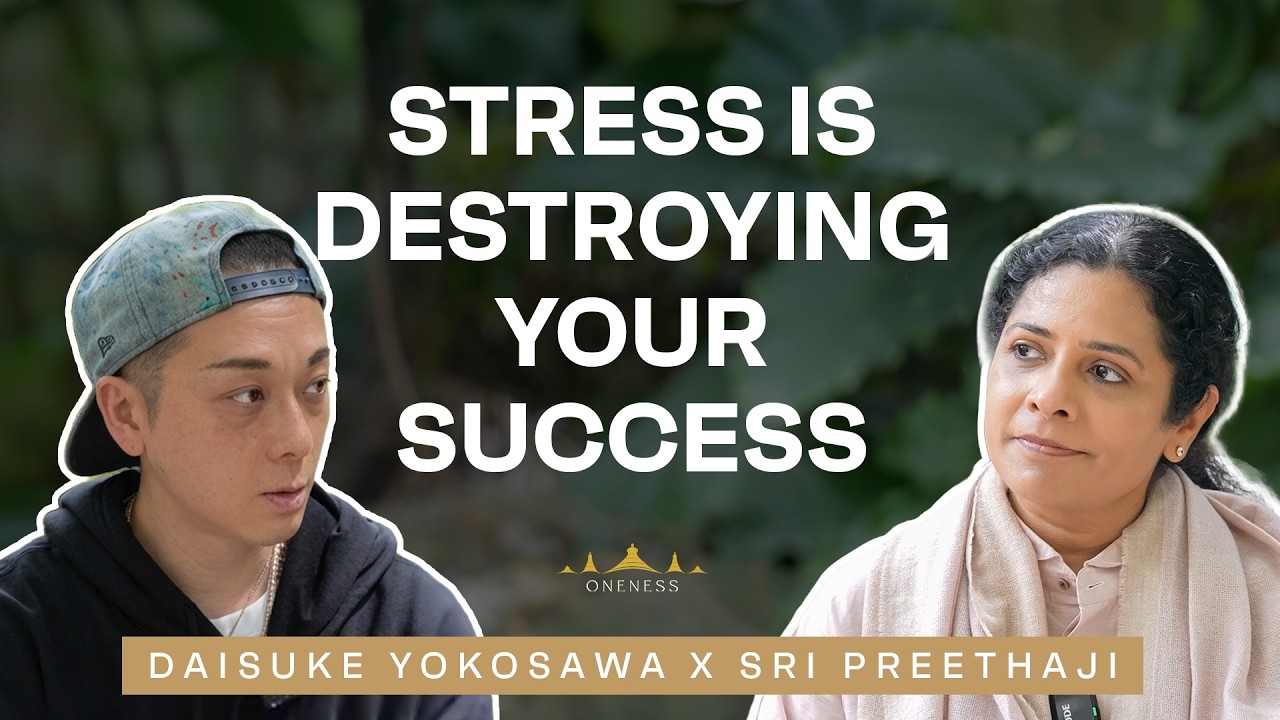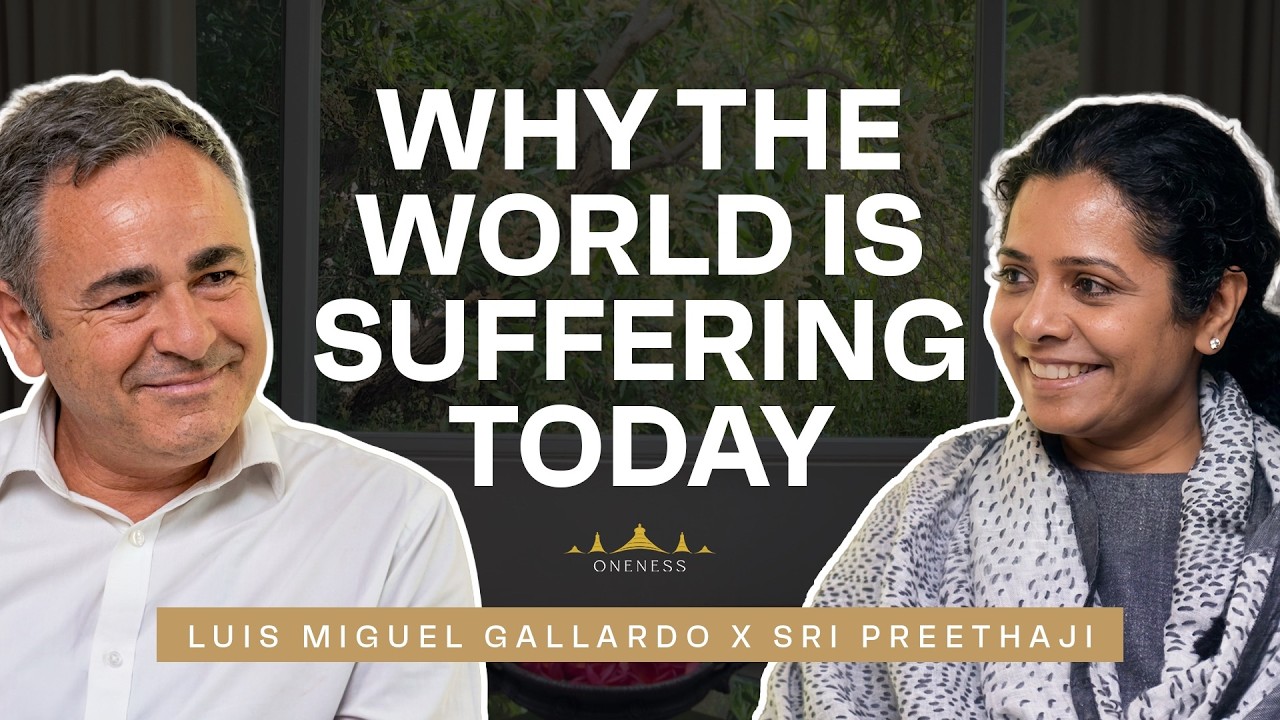
The Oneness Global Summit, held in July 2025, gathered thousands of practitioners who reported significant life changes using just 10 minutes of daily meditation. Participants experienced relief from chronic stress, emotional healing, improved relationships, and expanded opportunities for abundance—suggesting that brief, consistent consciousness work can produce measurable shifts in mental health, emotional resilience, and lived experience.
What Happened at the Oneness Global Summit?
In July 2025, the inaugural Oneness Global Summit brought together thousands of participants from around the world in an online format. The summit centered on a simple but powerful practice: 10 minutes of daily meditation aligned with consciousness principles taught by Sri Preethaji and Sri Krishnaji. What emerged from this gathering were documented testimonials of real people reporting substantive changes in their lives after engaging with the work.
Rather than abstract spiritual claims, participants described concrete outcomes: dissolution of long-standing stress patterns, emotional wounds that shifted or healed, improved relationship dynamics, and a sense of expanded possibility around abundance and opportunity. These weren't promises made before the event—they were reports gathered afterward, reflecting what people actually experienced.
How Did 10 Minutes Create Such Change?
The structure of the practice appears deceptively simple: a 10-minute daily meditation. The brevity is significant. Unlike lengthy retreat formats or multi-hour daily practices, this model makes consciousness work accessible to people with ordinary schedules—working professionals, parents, caregivers, and those managing chronic conditions. The consistency, not the duration, became the operative principle.
The meditation appears designed to work with consciousness itself—not as a mechanical relaxation technique, but as a direct engagement with awareness and the unified field that the Oneness teaching references. By spending those 10 minutes in aligned attention, participants report shifts that ripple outward: stress that previously felt inescapable begins to dissolve, emotional reactivity softens, and the nervous system appears to reset.
What Types of Transformation Did People Report?
The testimonials reveal several categories of change:
- Stress dissolution: Participants reported breaking free from chronic stress patterns that had persisted for years, suggesting the meditation addresses root-level tension rather than surface symptoms.
- Emotional healing: People describe healing emotional wounds—old hurts, trauma patterns, and grief—that began to shift through the practice, often without requiring talk therapy alone.
- Relationship improvement: As individuals' inner states shifted, their capacity to relate authentically also expanded, leading to reports of healed and enriched relationships.
- Abundance and opportunity: Participants noticed new opportunities, financial shifts, and a sense of expanded possibility emerging in their external lives as their consciousness aligned.
- Renewal and hope: Many spoke of renewed sense of purpose, inspiration, and hope for the future.
These aren't isolated anecdotes. The scale—thousands of participants reporting similar patterns—suggests a systematic effect rather than placebo or selection bias alone.
What Is the Oneness Teaching?
The Oneness movement, as taught by Sri Preethaji and Sri Krishnaji, works from the premise that human suffering arises from the illusion of separation—that we experience ourselves as isolated individuals cut off from each other and from the unified field of consciousness. When that illusion dissolves, even temporarily, through meditation and direct experience, the nervous system recalibrates, emotional patterns release, and life circumstances begin to reflect the participant's expanded state of being.
The teaching is not about belief, but about direct experience and observable shifts in stress markers, emotional resilience, and life outcomes. The 10-minute practice serves as a gateway into that experience, making it practical and repeatable.
Why Is a Short Daily Practice Effective?
Research in neuroscience and contemplative practice increasingly shows that consistency matters more than duration. A 10-minute practice done every day creates neural pathways and nervous system rewiring that a 1-hour practice once a week does not. The daily engagement creates a subtle but continuous recalibration of the brain's default mode network, the stress-response system, and the regions associated with self-referential thinking.
For people with limited time, chronic illness, or high stress, this accessible format removes the common barrier of "I don't have time" and replaces it with "I can do this." That shift from obstacle to capability matters psychologically and practically.
What Does the Upcoming Summit Offer?
Building on the success of the July 2025 summit, the Oneness Global Summit returns January 23–25, 2026, as a free 3-day online event. Participants will again engage in guided meditation and teaching, working directly with the consciousness principles taught by Sri Preethaji and Sri Krishnaji. The summit is designed to help people dissolve stress, heal relationships, and manifest abundance through direct shifts in consciousness rather than behavioral techniques alone.
The format remains online and free to access, maintaining the accessibility that allowed thousands to participate the first time. Three hours per day over three days provides both depth of teaching and a manageable time commitment for working people.
How Does Consciousness Healing Differ from Other Approaches?
Most therapeutic and wellness approaches target behavior, thought patterns, or the body's stress response. The consciousness-based approach used at the Oneness Summit works more directly: by aligning awareness with the unified field or Oneness, the individual's sense of separation itself shifts. From that shifted state, thoughts naturally become less anxious, the body naturally relaxes, relationships naturally improve—not because you've learned to think differently, but because your fundamental sense of self and connection has changed.
This is why the results can appear sudden or dramatic compared to gradual self-help work. You are not incrementally improving your old baseline; you are shifting the baseline itself through a direct experience of consciousness.
Where to Go from Here
If you are managing chronic stress, emotional pain, or relationship challenges, the evidence from the Oneness Global Summit suggests that a consistent 10-minute meditation practice aligned with consciousness principles can initiate real change. The simplicity of the commitment—10 minutes daily—makes it testable in your own life without requiring a major lifestyle overhaul.
The upcoming Oneness Global Summit (January 23–25, 2026) offers a structured entry point: three days of teaching and guided practice to deepen your understanding and initiate direct experience. Many of the thousands who reported transformation in July 2025 had no prior meditation experience; they simply showed up and engaged with the practice. The testimonials suggest the methodology itself—not a special aptitude—creates the shifts.
Start with curiosity rather than belief. Try 10 minutes of aligned meditation daily for one week and notice what shifts in your stress level, emotional reactivity, and sense of possibility. The transformation doesn't require years of practice; the testimonials suggest it begins immediately when consciousness itself is the object of focus.