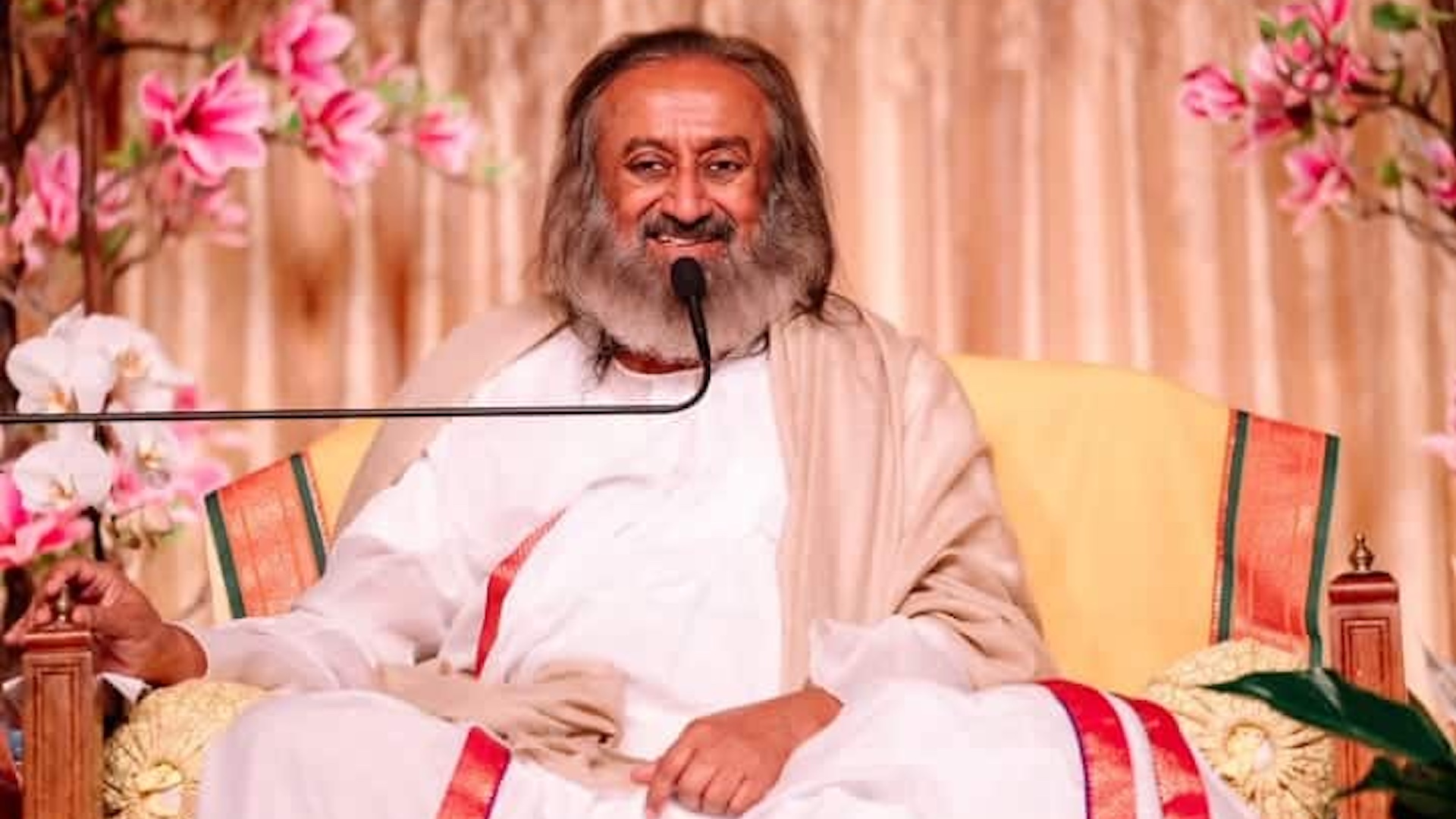
The Essence of Being: Embracing Our Inherent Nature
In the profound words of Sri Sri Ravi Shankar, "What you cannot drop is your own being." This statement invites us to explore the essence of our existence, suggesting that amidst the transient nature of life, our true self remains constant and unshakeable. Understanding this concept is crucial, as it encourages us to delve deeper into our identity beyond the roles we play and the possessions we accumulate. By recognizing the permanence of our being, we can navigate the complexities of life with greater clarity and purpose.
As we reflect on this quote, we are reminded of the layers of identity that often obscure our true selves. In a world that constantly demands our attention and energy, it is easy to become entangled in the ephemeral aspects of life—our achievements, relationships, and material possessions. Yet, the essence of who we are transcends these external factors. This teaching beckons us to cultivate a deeper awareness of our inner landscape, inviting us to connect with the unchanging core of our being that exists beyond the fluctuations of daily life.
The image / the metaphor
The imagery within the quote evokes a sense of permanence amidst impermanence. The phrase "what you cannot drop" suggests a weighty truth, one that cannot be discarded like a fleeting thought or a passing emotion. It speaks to the essence of our existence, which remains steadfast even as the world around us shifts and changes. The use of the word "being" encapsulates the entirety of our existence, encompassing not just our physical form but also our consciousness, our awareness, and our spirit.
Diving deeper into the metaphor, we can perceive "being" as the foundation upon which all experiences are built. It is the unshakeable ground that supports our journey through life. Just as a tree stands firm through the seasons, our being remains constant, even as we experience growth, loss, and transformation. This metaphor invites us to recognize that while our circumstances may change, the essence of who we are—our true self—endures, providing us with a sense of stability and continuity.
In the speaker's tradition
Within the framework of Sri Sri Ravi Shankar's teachings, the concept of being is intricately linked to the principles of dharma and self-realization. Dharma, often understood as one's duty or path, encourages individuals to align with their true nature, fostering a sense of purpose and direction. This alignment allows for the experience of kenosis, or self-emptying, where one sheds the layers of ego and attachment to discover the deeper self. In this light, the quote serves as a reminder that our true being is not defined by external circumstances but is an intrinsic part of our spiritual journey.
Moreover, this idea resonates with the Buddhist concept of sunyata, or emptiness, which teaches that the self is not a fixed entity but rather a dynamic interplay of experiences and perceptions. Just as sunyata invites practitioners to see beyond the illusion of a permanent self, Sri Sri Ravi Shankar's words encourage us to embrace the fluidity of life while anchoring ourselves in the unchanging essence of our being. This perspective aligns with the teachings found in texts such as the Bhagavad Gita, where the eternal nature of the soul is emphasized, reminding us that our true self transcends the temporal world.
Living the teaching
Consider a modern scenario where this teaching can be applied: a professional facing the pressures of career advancement. In the pursuit of success, one may become overly identified with job titles, accolades, and the opinions of others. However, by internalizing the message of Sri Sri Ravi Shankar, this individual can learn to recognize that their worth is not contingent upon external validation. Instead, they can cultivate a sense of self that is rooted in their being, allowing them to navigate their career with authenticity and resilience, unshaken by the inevitable ups and downs.
This teaching also finds relevance in personal relationships, particularly during challenging moments. Imagine a conflict arising between partners, where emotions run high and misunderstandings abound. In such instances, recalling the essence of one's being can provide a grounding perspective. By recognizing that their true self is not defined by the conflict or the need to be right, individuals can approach the situation with compassion and openness. This shift in awareness fosters deeper connections and understanding, allowing love and empathy to flourish even in the face of adversity.
A reflection
As we contemplate the wisdom encapsulated in the quote, we are invited to ask ourselves: What aspects of my identity am I clinging to that may be obscuring my true being? This question encourages a deep exploration of the layers we often identify with, prompting us to peel back the facade and connect with the essence of who we truly are. In this journey of self-discovery, we may find that the more we let go of transient attachments, the more we can embrace the profound and unchanging nature of our being.