The Alchemy of Knowledge into Wisdom
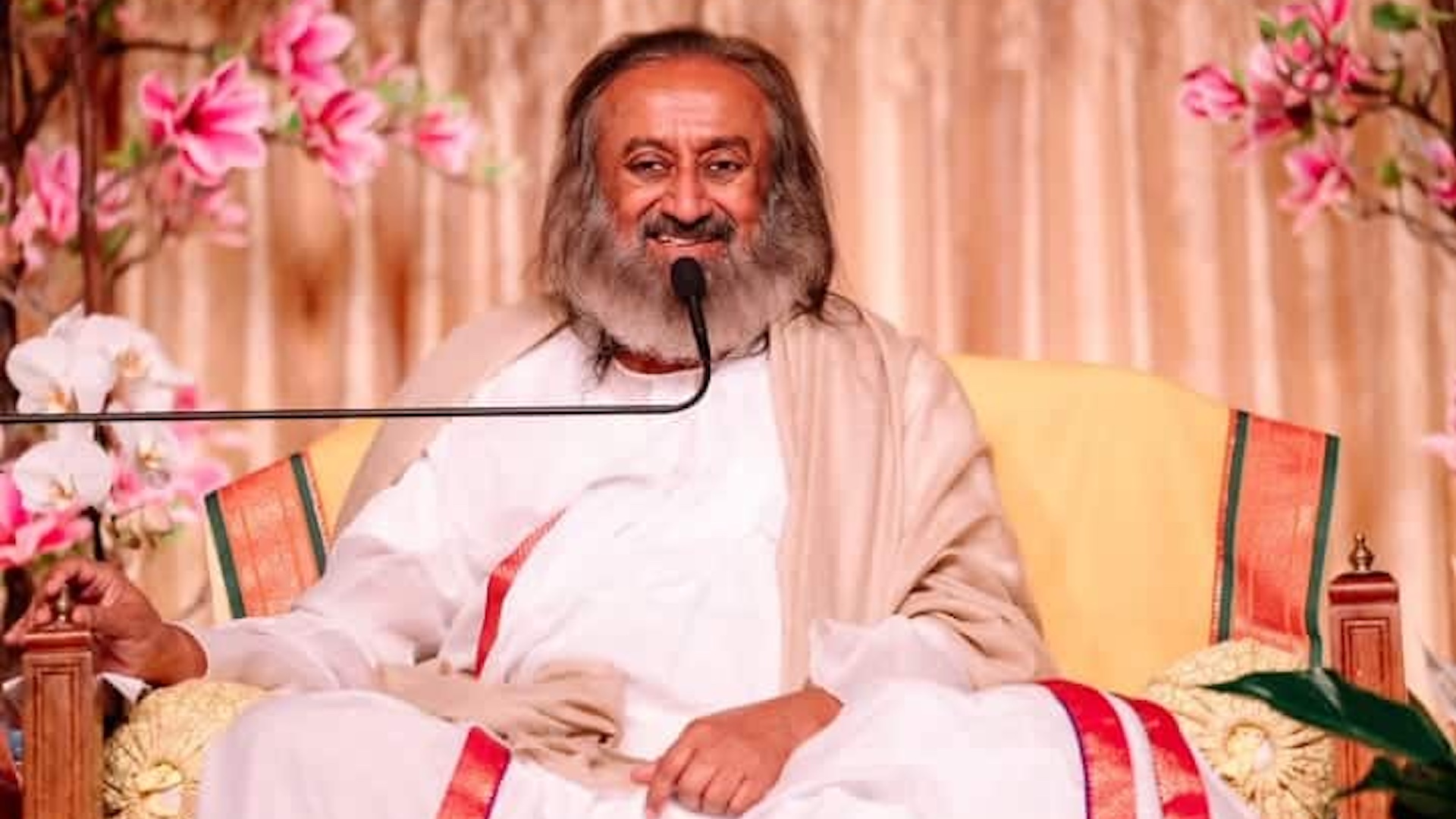
In the words of Sri Sri Ravi Shankar, "That is the only way knowledge becomes wisdom." This profound statement invites us to reflect on the transformative journey from mere information to deep understanding. It emphasizes that knowledge, when engaged with and lived, evolves into wisdom—a state of being that transcends intellectual comprehension. In a world inundated with data, this distinction is crucial; it challenges us to seek not just to know, but to embody what we learn.
As we navigate our lives, the distinction between knowledge and wisdom becomes increasingly significant. Knowledge can be seen as a collection of facts and figures, while wisdom represents the application of that knowledge in a way that is compassionate and insightful. This transformation is not automatic; it requires intention, reflection, and often, the willingness to confront our own limitations. Understanding this process can lead us to a more meaningful existence, where our insights contribute to both personal growth and the well-being of those around us.
The image / the metaphor
The quote encapsulates a journey, a metamorphosis that occurs when knowledge is not merely stored but actively engaged with. The verbs "becomes" and "way" suggest a dynamic process, one that requires movement and effort. This imagery evokes the idea of a river flowing, where knowledge is the water that, when channeled correctly, nourishes the land of wisdom. The felt sense here is one of fluidity and transformation, where stagnant pools of information are replaced by vibrant streams of understanding.
In the speaker's tradition
Sri Sri Ravi Shankar's teachings are deeply rooted in the Art of Living tradition, which emphasizes the importance of inner peace and self-awareness as pathways to wisdom. Concepts such as dharma, or righteous living, and prajna, or wisdom, are central to this philosophy. The journey from knowledge to wisdom aligns with the idea of kenosis, or self-emptying, where one must let go of preconceived notions and ego-driven desires to truly understand the essence of life. This process is not merely intellectual; it is a spiritual awakening that invites us to connect with our true selves and the universe.
In his book "Wisdom for the New Millennium," Sri Sri Ravi Shankar articulates the necessity of integrating knowledge into our daily lives. He draws parallels between ancient wisdom and contemporary challenges, suggesting that the timeless truths found in spiritual texts can guide us in navigating modern complexities. This integration is essential for cultivating a life of purpose and fulfillment, where wisdom becomes a guiding light in our interactions and decisions.
Living the teaching
Consider a modern scenario where an individual learns about the importance of empathy through a workshop or a book. This knowledge, while valuable, remains superficial unless it is actively practiced in daily interactions. For instance, when faced with a colleague experiencing stress, the individual has the opportunity to apply their newfound understanding of empathy. By choosing to listen and offer support, they transform knowledge into wisdom, enriching both their own life and that of their colleague.
In a different context, think about a relationship where misunderstandings often arise. One partner may have read extensively about effective communication but struggles to implement these strategies during conflicts. By consciously choosing to apply their knowledge in real-time, they can foster a deeper connection and understanding with their partner. This practice of living the teaching not only enhances their relationship but also cultivates a sense of wisdom that transcends the initial knowledge they possessed.
A reflection
As we contemplate the journey from knowledge to wisdom, we are invited to ask ourselves: How can I actively engage with what I know to transform it into a deeper understanding of myself and the world around me? This question encourages us to reflect on our own lives and consider the ways in which we can embody the teachings we encounter. In doing so, we open ourselves to a richer, more meaningful existence, where knowledge is not just a collection of facts, but a living, breathing part of who we are.