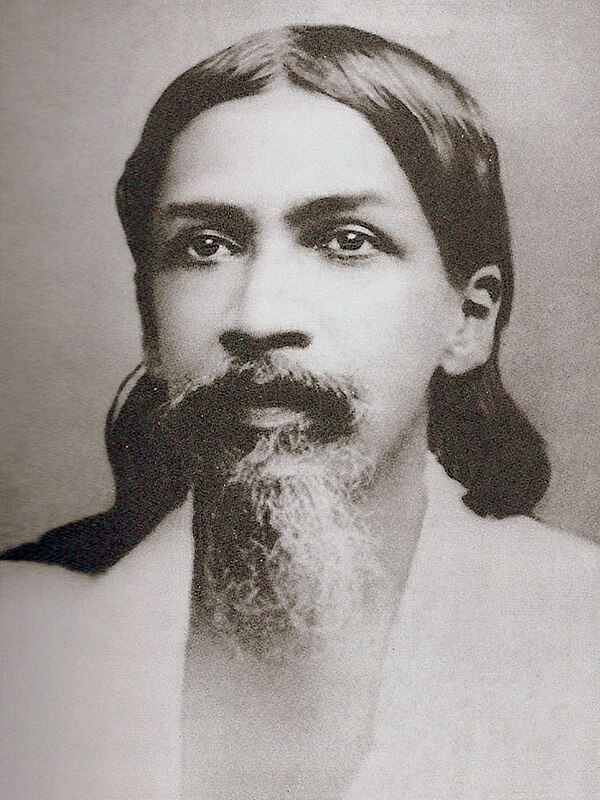
Embracing the Wind: The Equanimity of the Soul
Sri Aurobindo's quote, "Walk like the wind that blows; pass through life with the equal foot of the soul," invites us to embody a profound sense of equanimity as we navigate the complexities of existence. The imagery of the wind suggests a fluidity and grace, encouraging us to move through life with a lightness that transcends the burdens of attachment and expectation. This teaching resonates deeply in a world often marked by turbulence and uncertainty, reminding us that our true essence lies in the steadiness of the soul.
In a time when many are grappling with stress and anxiety, Aurobindo's words serve as a gentle reminder of the power of inner balance. The notion of walking with the "equal foot of the soul" suggests a harmonious alignment between our inner and outer worlds, urging us to cultivate a sense of peace regardless of external circumstances. This balance is not merely a passive acceptance of life’s challenges but an active engagement with the world that is rooted in a deep understanding of our spiritual nature.
The image / the metaphor
The metaphor of walking like the wind evokes a vivid image of movement that is both effortless and purposeful. The wind, in its natural state, flows freely, adapting to the contours of the landscape without resistance. This imagery captures the essence of how we might approach life: with a sense of fluidity that allows us to navigate challenges without being weighed down by them. The choice of the verb "walk" suggests a deliberate action, inviting us to engage with life consciously and mindfully.
Diving deeper into this metaphor, we find that the wind symbolizes not only freedom but also the transient nature of existence. Just as the wind can shift direction and intensity, so too can our experiences change. By embodying the qualities of the wind, we learn to embrace impermanence, recognizing that our true strength lies in our ability to adapt and remain centered amidst the chaos. This adaptability is a hallmark of equanimity, allowing us to maintain our inner peace regardless of external fluctuations.
In the speaker's tradition
Sri Aurobindo's teachings are deeply rooted in the Hindu tradition, where concepts such as dharma and equanimity are central to spiritual practice. Dharma, often understood as one's duty or path in life, encourages individuals to act with integrity and purpose. In this context, walking with the "equal foot of the soul" aligns with the idea of fulfilling one's dharma while remaining unattached to the fruits of one's actions, a principle echoed in the Bhagavad Gita. This detachment is akin to the concept of kenosis, or self-emptying, which invites us to release our ego-driven desires and embrace a more expansive sense of self.
Moreover, Aurobindo's emphasis on the soul reflects a broader understanding of spiritual awakening found in various Hindu texts. The notion of sunyata, or emptiness, resonates with the idea that true fulfillment comes not from external achievements but from an inner state of being. In this light, Aurobindo's quote can be seen as an invitation to cultivate a deeper awareness of our spiritual essence, allowing us to navigate life with grace and equanimity, much like the wind that flows effortlessly through the world.
Living the teaching
Consider a modern scenario where this teaching might resonate: a busy professional navigating the demands of work and personal life. In the midst of deadlines and expectations, one might feel overwhelmed, yet by embodying the qualities of the wind, they can learn to approach their responsibilities with a sense of calm. Instead of becoming entangled in stress, they can practice mindfulness, allowing themselves to respond to challenges with clarity and composure. This shift in perspective transforms the experience from one of struggle to one of fluidity, enabling them to move through their day with grace.
In relationships, the application of Aurobindo's teaching can be equally transformative. Imagine a moment of conflict with a loved one, where emotions run high and misunderstandings abound. By embodying the "equal foot of the soul," one can approach the situation with a sense of equanimity, choosing to listen deeply rather than react impulsively. This practice of presence allows for a more compassionate exchange, fostering understanding and connection rather than division. In both personal and professional realms, the ability to walk like the wind cultivates a life marked by harmony and balance.
A reflection
As we contemplate Sri Aurobindo's profound invitation to "walk like the wind," we are encouraged to reflect on our own lives. How can we cultivate a sense of equanimity amidst the inevitable ups and downs of our journey? In what ways might we embody the qualities of the wind, allowing ourselves to flow gracefully through life's challenges while remaining anchored in the wisdom of our soul? This contemplation invites us to explore the depths of our being and to embrace the transformative power of equanimity in our daily lives.