The Inner Sanctuary: Cultivating Stillness and Trust
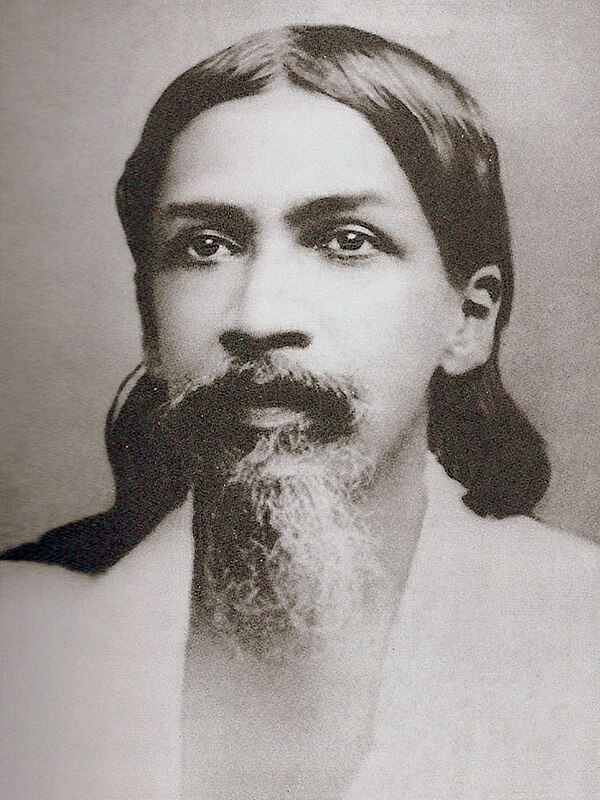
Sri Aurobindo's assertion that "there is one fundamental requirement: a quietude in the inner being and a confident reliance on the Divine" invites us to explore the profound interplay between inner stillness and trust in a higher power. In a world often characterized by chaos and distraction, this quote serves as a poignant reminder of the necessity for an inner sanctuary where peace can flourish. The stakes are high; without this quietude, we risk being swept away by the tumult of external circumstances, losing sight of our deeper selves and the divine presence that guides us.
To deepen our understanding, we must recognize that this quietude is not merely the absence of noise but a cultivated state of being that allows us to connect with the essence of our existence. It is a deliberate practice of turning inward, creating space for reflection and receptivity. This reliance on the Divine is not passive; it requires an active engagement with faith, a trust that transcends our immediate experiences and connects us to a greater purpose. Together, these elements form a foundation for spiritual growth and resilience, enabling us to navigate life's challenges with grace.
The image / the metaphor
At the heart of Aurobindo's quote lies a rich tapestry of imagery that evokes a sense of tranquility and assurance. The term "quietude" conjures visions of still waters, a serene landscape where the mind can rest and the spirit can breathe. This inner calm is contrasted with the external world's noise and distractions, highlighting the importance of creating a sacred space within ourselves. The phrase "confident reliance on the Divine" suggests a relationship built on trust, akin to a child leaning into the embrace of a loving parent, assured of their protection and guidance.
Diving deeper into this metaphor, we can see that quietude serves as a fertile ground for the seeds of trust to take root. Just as a garden requires stillness to nurture its growth, our inner being must cultivate a sense of peace to foster a genuine connection with the Divine. This relationship is not merely transactional; it is a dance of surrender and acceptance, where we learn to let go of our fears and doubts, allowing the divine presence to illuminate our path. In this way, Aurobindo's words resonate as an invitation to explore the depths of our inner landscape, where stillness and trust intertwine.
In the speaker's tradition
Within the context of Sri Aurobindo's spiritual philosophy, the concepts of dharma and bhakti come to the forefront. Dharma, or one's righteous duty, calls us to align our actions with a higher purpose, while bhakti emphasizes the importance of devotion and love for the Divine. Aurobindo's emphasis on quietude and trust reflects the essence of these teachings, suggesting that true fulfillment arises when we harmonize our inner life with our outer responsibilities. This alignment fosters a sense of peace that allows us to navigate the complexities of life with clarity and purpose.
In his work "Letters on Yoga," Aurobindo elaborates on the necessity of inner stillness as a precursor to spiritual awakening. He draws parallels with the concept of prajna, or wisdom, which emerges from a place of deep contemplation and connection with the Divine. This wisdom is not merely intellectual but is rooted in an experiential understanding of our relationship with the universe. By cultivating quietude, we open ourselves to the transformative power of divine guidance, allowing us to live in alignment with our true selves.
Living the teaching
Consider a modern scenario where the teachings of Aurobindo can be applied: a busy professional facing the relentless demands of work and life. In such a context, the practice of cultivating quietude becomes essential. By setting aside moments for meditation or mindful breathing, one can create a sanctuary amidst the chaos, allowing for clarity and focus. This practice not only enhances productivity but also fosters a deeper connection with one's purpose, enabling the individual to approach challenges with a sense of calm and confidence in the divine flow of life.
Another application of this teaching can be found in interpersonal relationships, particularly during moments of conflict or misunderstanding. When tensions arise, the ability to pause, breathe, and cultivate inner stillness can transform the dynamics of the interaction. By relying on a deeper trust in the divine presence within ourselves and others, we can approach difficult conversations with compassion and openness. This shift in perspective allows for healing and connection, reinforcing the idea that quietude and trust are not just personal practices but relational ones that can foster harmony in our communities.
A reflection
As we contemplate Sri Aurobindo's profound words, we are invited to reflect on our own lives: How often do we create space for quietude amidst the noise of our daily existence? In what ways can we deepen our trust in the Divine, allowing it to guide us through uncertainty? These questions serve as a gentle nudge towards introspection, encouraging us to explore the balance between stillness and reliance on a higher power. In this exploration, we may discover the transformative potential of cultivating an inner sanctuary that nourishes our spirit and illuminates our path.