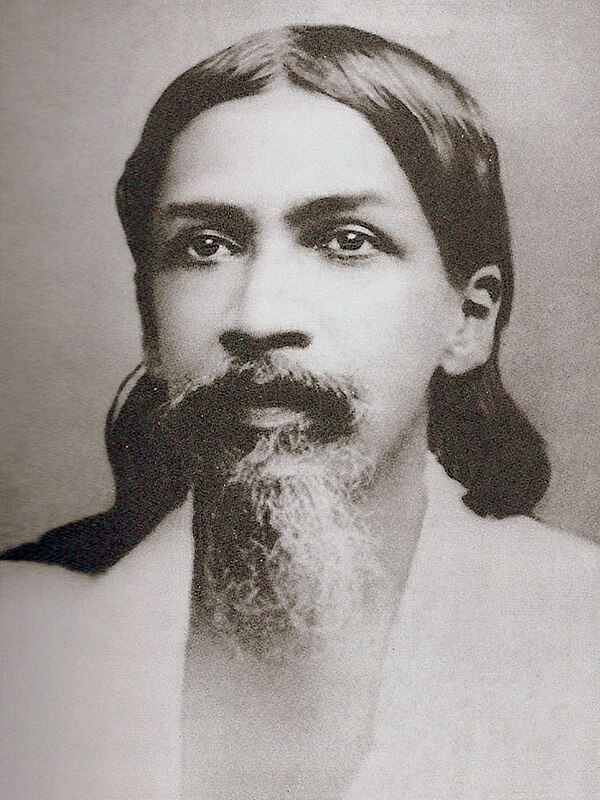
The Garment of Existence: Understanding the Soul's Journey
Sri Aurobindo's assertion that "the soul puts on the body as a garment, and the world is the field of its action" invites us to reflect on the profound relationship between our spiritual essence and the physical form we inhabit. This metaphor suggests that our bodies are temporary vessels, while the soul is eternal, engaging with the world as a stage for its growth and expression. Understanding this dynamic is crucial for navigating the complexities of life, as it encourages us to see beyond mere physical existence and recognize the deeper purpose of our experiences.
In a world often preoccupied with material concerns, Aurobindo's words serve as a gentle reminder of the spiritual journey we are all on. The soul's embodiment in the physical realm is not merely a coincidence; it is a deliberate act of divine play, where each moment offers an opportunity for learning and transformation. By embracing this perspective, we can cultivate a sense of detachment from the transient nature of life, allowing us to engage more fully with our spiritual purpose and the interconnectedness of all beings.
The image / the metaphor
The imagery of the soul donning the body like a garment evokes a sense of fluidity and impermanence. Just as clothing can be changed, so too can our physical forms be seen as temporary expressions of a deeper reality. The verbs "puts on" and "is" suggest an active choice and a state of being, emphasizing that the soul is not defined by the body but rather uses it as a means to engage with the world. This perspective invites us to consider how we relate to our physical selves and the roles we play in the grand tapestry of existence.
Diving deeper into this metaphor, we can appreciate the implications of viewing our bodies as garments. Garments serve various purposes: they protect, adorn, and express identity. Similarly, our bodies allow the soul to interact with the material world, to experience joy, sorrow, and everything in between. This understanding encourages us to approach our physical existence with a sense of reverence and mindfulness, recognizing that each experience is an opportunity for the soul to learn and evolve.
In the speaker's tradition
Sri Aurobindo's insights are deeply rooted in the Hindu tradition, where concepts such as dharma, the moral order of the universe, and the idea of the eternal soul (atman) play pivotal roles. The notion of the soul as a garment aligns with the understanding of kenosis, or self-emptying, where the soul willingly engages with the material world to fulfill its purpose. This engagement is not merely passive; it is an active participation in the divine play (lila) of existence, where each action contributes to the greater cosmic order.
In his work, Aurobindo often references the Bhagavad Gita, a text that emphasizes the importance of action (karma) in the pursuit of spiritual growth. The Gita teaches that one must perform their duty without attachment to the fruits of their actions, echoing the sentiment that the soul's journey is paramount. By recognizing the body as a temporary vessel, we can approach our responsibilities with a sense of detachment, allowing the soul to flourish in its quest for enlightenment.
Living the teaching
Consider a modern scenario where this teaching resonates: a professional facing burnout in a demanding job. By viewing their role as a garment, they can begin to detach their identity from their work, recognizing that their true essence lies beyond the confines of their title or responsibilities. This shift in perspective allows them to approach their work with renewed vigor, focusing on the lessons and experiences it offers rather than the stress it brings. In doing so, they can cultivate a more profound sense of purpose and fulfillment, transforming their work into a field for spiritual growth.
In relationships, this teaching can also manifest powerfully. Imagine a couple navigating a difficult period; by understanding that their connection is an opportunity for the soul's evolution, they can approach conflicts with compassion and openness. Instead of viewing challenges as threats to their bond, they can see them as essential experiences that foster growth and understanding. This perspective encourages a deeper commitment to the relationship, allowing both partners to support each other's spiritual journeys while embracing the transient nature of their physical forms.
A reflection
As we contemplate Sri Aurobindo's profound words, we are invited to ask ourselves: How can I recognize the transient nature of my physical existence while honoring the eternal journey of my soul? This question encourages us to explore the ways we engage with the world and the roles we play, prompting a deeper understanding of our purpose and the interconnectedness of all beings. In this exploration, we may find the key to living a more meaningful and spiritually fulfilling life.