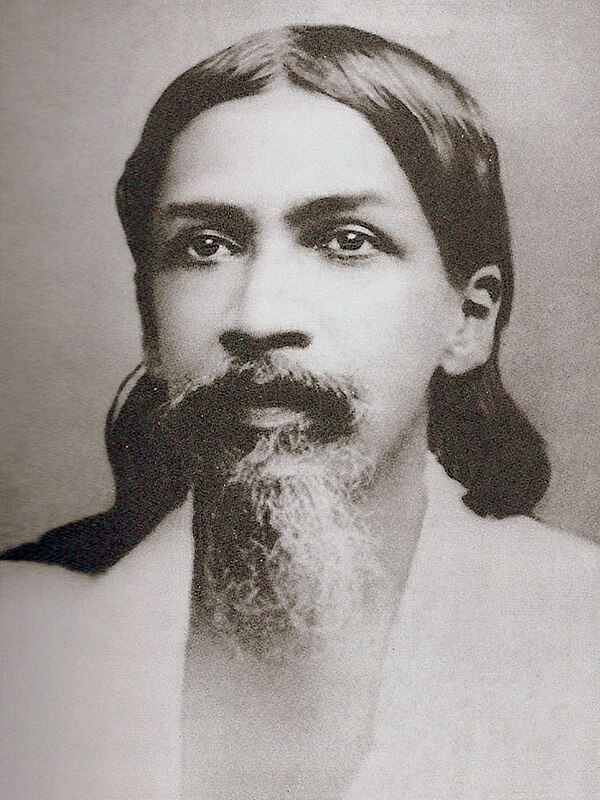
The Destiny of the Earth: Aurobindo's Vision of Evolution
In the profound words of Sri Aurobindo, "Surely the earth shall come to be what is meant for it," we encounter a declaration of hope and inevitability regarding the evolution of our planet and its inhabitants. This statement encapsulates a vision of destiny that transcends mere human ambition, suggesting a divine orchestration at play. It invites us to consider the unfolding of life as a purposeful journey toward a greater realization, one that is not only individual but collective, encompassing all of existence.
As we delve deeper into this quote, we recognize that it speaks to the inherent potential within the earth and its beings. Aurobindo's assertion is not merely a passive observation; it is an active engagement with the idea of evolution as a spiritual and material process. This perspective compels us to reflect on our roles within this grand tapestry, urging us to align our actions with the unfolding destiny that awaits us. The quote serves as a reminder that the earth, with all its complexities and challenges, is on a trajectory toward fulfillment, and we are invited to participate in this sacred journey.
The image / the metaphor
At first glance, the imagery within Aurobindo's quote evokes a sense of inevitability and purpose. The phrase "the earth shall come to be" suggests a dynamic process, one that is not static but rather in constant flux, moving toward a predetermined state of being. The use of the word "shall" imbues the statement with a sense of certainty, as if the universe itself is conspiring to bring about this transformation. This imagery resonates with the natural cycles of life, where growth, decay, and renewal are interwoven into the fabric of existence.
Diving deeper into the metaphor, we can interpret "the earth" as a symbol for humanity and the collective consciousness that shapes our world. Aurobindo's vision implies that the evolution of the earth is intertwined with our spiritual awakening and moral development. As we navigate the complexities of our lives, we are called to recognize our interconnectedness and the impact of our choices on the greater whole. The metaphor thus becomes a call to action, urging us to contribute positively to the unfolding destiny of our planet, aligning our individual paths with the collective journey toward enlightenment.
In the speaker's tradition
To fully appreciate Aurobindo's insight, we must situate it within the broader context of Hindu philosophy, particularly the concepts of dharma and evolution. In Hindu thought, dharma refers to the moral order of the universe, a guiding principle that encourages individuals to act in accordance with their true nature and purpose. Aurobindo's assertion aligns with this understanding, suggesting that the earth's evolution is a manifestation of a deeper cosmic order, one that calls upon us to fulfill our dharma in service of the greater good.
Moreover, Aurobindo's ideas resonate with the teachings found in the Bhagavad Gita, where the notion of selfless action (karma yoga) is emphasized. The Gita encourages individuals to act without attachment to the fruits of their labor, recognizing that their efforts contribute to a larger cosmic plan. This alignment with a higher purpose echoes Aurobindo's vision, reinforcing the idea that our actions, when rooted in love and service, can help bring about the transformation that the earth is destined to achieve.
Living the teaching
In our modern lives, the teaching encapsulated in Aurobindo's quote can manifest in various ways. Consider a community grappling with environmental degradation; individuals within this community may feel overwhelmed by the enormity of the challenges they face. However, by embracing the belief that "the earth shall come to be what is meant for it," they can find solace and motivation in their collective efforts. Each small action—whether it be planting trees, advocating for sustainable practices, or educating others—becomes a vital thread in the larger tapestry of transformation, reinforcing the idea that every contribution matters.
Another application of this teaching can be found in personal relationships, particularly during times of conflict or misunderstanding. When faced with challenges, one might reflect on the notion that the evolution of their relationship is part of a greater destiny. By approaching the situation with patience and compassion, individuals can foster growth and healing, recognizing that their struggles are not in vain but rather essential to the unfolding of a deeper connection. This perspective encourages us to view our interactions as opportunities for evolution, both personally and collectively.
A reflection
As we contemplate Aurobindo's profound assertion, we are invited to consider our own roles in the unfolding narrative of the earth. What actions can we take today that align with the greater destiny of our planet? In what ways can we contribute to the collective evolution of humanity, fostering a sense of interconnectedness and purpose? These questions serve as a guiding light, encouraging us to engage with our lives meaningfully and intentionally, as we participate in the sacred journey toward fulfillment.