The Path of Dharma: Embracing Our True Nature
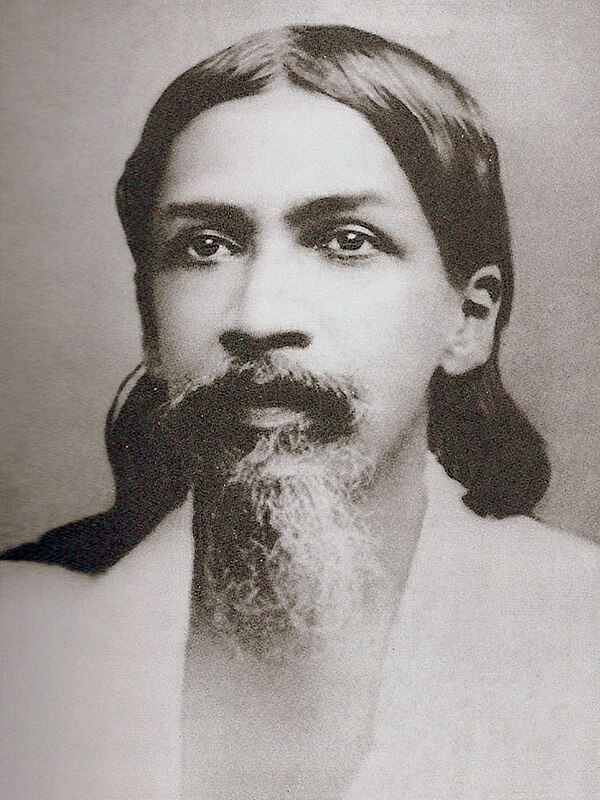
Sri Aurobindo's assertion that "the greatest religion is to be true to this dharma; neglect it and you fall" invites us to explore the profound relationship between our inner truth and the essence of our existence. In this statement, he emphasizes that the highest calling of humanity is to align with our inherent purpose, or dharma, which serves as a guiding principle in our lives. To neglect this path is to risk losing our way, leading to a disconnection from our true selves and the world around us.
This quote resonates deeply in a world often fraught with distractions and competing narratives about success and fulfillment. The notion of dharma transcends mere duty; it embodies a holistic understanding of our role in the universe, urging us to act in accordance with our authentic selves. By recognizing and adhering to our dharma, we cultivate a sense of purpose that not only enriches our lives but also contributes to the greater good of humanity.
The image / the metaphor
The imagery in Sri Aurobindo's quote evokes a sense of balance and alignment. The term "dharma" itself carries a weight of meaning, encompassing righteousness, duty, and the natural order of things. The verbs "to be true" and "to neglect" suggest a dynamic interplay between conscious choice and the consequences of inaction. This duality highlights the importance of mindfulness in our daily lives, as we navigate the complexities of existence.
Diving deeper into the metaphor, we can envision dharma as a guiding star, illuminating our path through the darkness of confusion and uncertainty. To be true to this guiding light is to embrace our unique purpose, while neglecting it leads us into a metaphorical abyss, where we may lose sight of our direction. This imagery serves as a powerful reminder of the importance of self-awareness and intentionality in our actions, as we strive to align with our true nature.
In the speaker's tradition
Within the framework of Vedanta, Sri Aurobindo's teachings on dharma resonate with core concepts such as the pursuit of truth (satya) and the realization of one's essential nature (atman). Dharma is not merely a set of rules but a profound understanding of our interconnectedness with all beings and the universe. This perspective invites us to engage in practices that cultivate wisdom (prajna) and compassion (karuna), ultimately leading us toward spiritual liberation.
Aurobindo's emphasis on dharma can be likened to the Buddhist concept of sunyata, or emptiness, which encourages us to recognize the transient nature of our experiences and the importance of living authentically. In his work, "The Life Divine," Aurobindo articulates the necessity of aligning our actions with our inner truth, suggesting that true fulfillment arises from this alignment. This echoes the teachings of other spiritual traditions, where the pursuit of authenticity is seen as a pathway to enlightenment.
Living the teaching
Consider a modern scenario where an individual feels trapped in a career that does not resonate with their true self. Despite the external markers of success, such as a high salary or prestige, there is an underlying sense of dissatisfaction. By reflecting on Aurobindo's teaching, this person may begin to explore their passions and values, ultimately making a courageous decision to pursue a path that aligns with their dharma. This journey may involve taking risks, but it is through this alignment that they can find genuine fulfillment and purpose.
In the context of relationships, the teaching of being true to one's dharma can manifest as the need for authenticity and open communication. Imagine a partnership where one person feels compelled to suppress their true feelings to maintain harmony. By neglecting their own truth, they risk creating distance and resentment. Embracing Aurobindo's wisdom, they might choose to express their needs and desires honestly, fostering a deeper connection built on mutual understanding and respect. This practice of authenticity not only enriches the relationship but also honors the individual’s journey toward self-realization.
A reflection
As we contemplate Sri Aurobindo's profound insight, we are invited to reflect on our own lives: Are we being true to our dharma? In what ways might we be neglecting our inner truth, and how does this affect our sense of purpose and fulfillment? By engaging with these questions, we can begin to uncover the layers of our existence and align ourselves more fully with the path that resonates with our authentic selves.