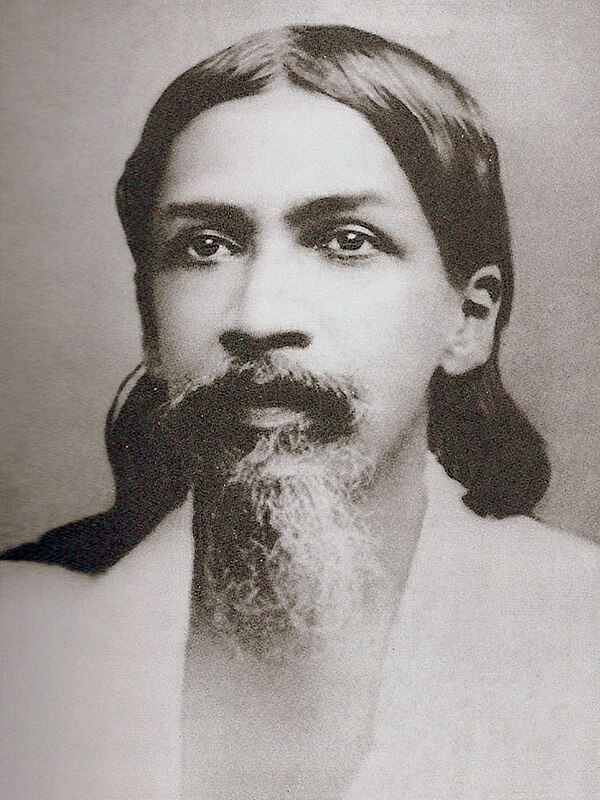
Awakening the Self to Awaken Humanity
In the profound words of Sri Aurobindo, "If you want to awaken all of humanity, then awaken all of yourself." This statement invites us to consider the intimate connection between individual consciousness and collective awakening. It suggests that the journey toward a more enlightened world begins not with external actions or grand gestures, but with the inner work of self-discovery and transformation. The stakes are high; as we navigate a world rife with division and disconnection, the call to awaken ourselves becomes a vital necessity for the awakening of humanity as a whole.
To awaken all of oneself is to embark on a journey of profound self-exploration and realization. It implies a commitment to understanding the depths of our own consciousness, recognizing the layers of conditioning that obscure our true nature. This journey is not merely personal; it is inherently linked to the collective experience of humanity. The awakening of the individual self is a ripple that can create waves of change, fostering unity and purpose in a world that often feels fragmented and chaotic.
The image / the metaphor
The imagery in Sri Aurobindo's quote evokes a sense of interconnectedness, where the individual is both a microcosm and a part of the greater whole. The verbs "awaken" and "all" carry a weight that suggests a comprehensive and active engagement with one's own being. To awaken implies a process of illumination, a shedding of ignorance and a rise into clarity. The use of "all" emphasizes the totality of this journey, urging us to embrace every aspect of ourselves—our strengths, weaknesses, joys, and sorrows—as integral to the awakening process.
Diving deeper into the metaphor, we can see that awakening is not a singular event but a continuous unfolding. It is akin to the blossoming of a flower, where each petal represents a facet of our being that must be acknowledged and nurtured. This metaphor of growth speaks to the organic nature of self-discovery; just as a flower requires sunlight, water, and time to bloom, so too do we require patience, compassion, and a supportive environment to fully awaken. The journey is both personal and universal, as our individual awakenings contribute to the collective consciousness of humanity.
In the speaker's tradition
Situated within the rich tapestry of Vedanta, Sri Aurobindo's teaching resonates with core concepts such as dharma, the inherent duty of each individual to realize their true nature, and bhakti, the devotion that fuels our spiritual journey. The notion of kenosis, or self-emptying, aligns closely with the idea of awakening oneself; it requires us to let go of egoic attachments and embrace a higher purpose. This journey toward self-realization is not merely an intellectual pursuit but a deeply spiritual one, rooted in the understanding that the individual self is a reflection of the universal consciousness.
In "The Life Divine," Aurobindo elaborates on the transformative power of consciousness, suggesting that as we awaken to our true selves, we also awaken to the divine essence that permeates all existence. This aligns with the concept of sunyata, or emptiness, found in Buddhist philosophy, which teaches that the realization of one's true nature leads to a profound understanding of interconnectedness. Both traditions emphasize that the awakening of the individual is essential for the awakening of the collective, reinforcing the idea that personal transformation is a prerequisite for societal change.
Living the teaching
Consider a modern scenario where this teaching can be applied: in the workplace, where stress and competition often overshadow collaboration and unity. An individual who commits to awakening their own consciousness—through practices such as mindfulness, self-reflection, or emotional intelligence—can create a ripple effect among colleagues. By embodying qualities such as empathy and understanding, they inspire others to engage in similar self-exploration, fostering a more harmonious and productive environment. This illustrates how personal awakening can lead to collective transformation, even in seemingly mundane settings.
Another application of this teaching can be found in personal relationships, particularly during moments of conflict. When faced with disagreement, one might choose to reflect inwardly, seeking to understand their own triggers and responses rather than merely reacting. This self-awareness can lead to more compassionate communication and resolution, ultimately strengthening the bond between individuals. In this way, the act of awakening oneself becomes a powerful tool for nurturing connection and unity, illustrating that the path to collective awakening often begins in the intimate spaces of our daily lives.
A reflection
As we contemplate the wisdom of Sri Aurobindo's words, we are invited to ask ourselves: "In what ways can I deepen my own self-awareness to contribute to the awakening of those around me?" This question encourages us to explore the intricate relationship between our inner lives and the world we inhabit. By committing to our own awakening, we not only honor our individual journeys but also participate in the greater unfolding of humanity's collective consciousness.