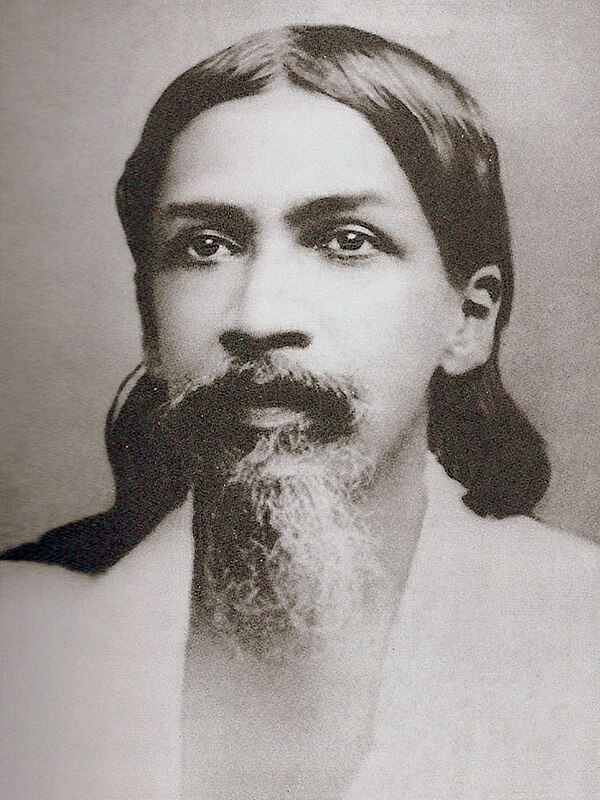
Beyond the Veil of Indolence: The True Nature of Peace
Sri Aurobindo's assertion that "indolence is sometimes mistaken for peace, but indolence is not peace" invites us to reflect on the nuanced distinction between genuine tranquility and mere complacency. In a world that often equates stillness with serenity, this quote challenges us to discern the deeper layers of our inner experience. The stakes are high; understanding this difference can lead us to a more authentic existence, one that embraces effort and discipline as pathways to true peace.
In our contemporary lives, where distractions abound and the allure of comfort can overshadow our spiritual aspirations, Aurobindo's words resonate with urgency. They remind us that true peace is not the absence of struggle or effort but rather the presence of a disciplined mind and a heart attuned to higher truths. This contemplation invites us to examine our own lives: Are we settling for a superficial sense of calm, or are we engaging in the transformative work that leads to genuine peace?
The image / the metaphor
The imagery in Aurobindo's quote evokes a stark contrast between two states of being: indolence and peace. Indolence suggests a passive state, characterized by inactivity and a lack of engagement with the world. It conjures images of stagnation, where the mind drifts aimlessly, and the spirit remains unchallenged. In contrast, peace is an active state, one that arises from a deep sense of fulfillment and harmony achieved through conscious effort and self-discipline.
Diving deeper into the metaphor, we can see that indolence often masquerades as peace, lulling us into a false sense of security. This deceptive calm can lead to complacency, where we may feel content but are ultimately disconnected from our true potential. Aurobindo's insight encourages us to awaken from this slumber, to recognize that true peace is a dynamic state that requires our engagement and commitment to personal growth.
In the speaker's tradition
Within the context of Sri Aurobindo's spiritual philosophy, the distinction between indolence and peace aligns closely with the concept of dharma, or righteous duty. Aurobindo emphasizes the importance of fulfilling one's responsibilities and engaging in the world with intention and purpose. This active engagement is essential for cultivating a deeper understanding of oneself and the universe, leading to a state of true peace that is rooted in self-realization and spiritual awakening.
Moreover, Aurobindo's teachings resonate with the broader Hindu tradition, where the pursuit of knowledge (jnana) and devotion (bhakti) are seen as vital components of spiritual growth. In his work "Letters on Yoga," he elaborates on the necessity of discipline and effort in the spiritual path, suggesting that without these elements, one may remain trapped in a superficial existence. This echoes the teachings found in the Bhagavad Gita, where Arjuna learns that true peace comes from fulfilling one's dharma, even amidst the chaos of life.
Living the teaching
Consider a modern scenario where the teaching of Aurobindo's quote can be applied: a professional who feels overwhelmed by the demands of their job may seek solace in moments of inactivity, believing that rest will restore their peace. However, this indolence can lead to further stress and dissatisfaction, as the underlying issues remain unaddressed. Instead, by engaging in disciplined practices such as time management, setting boundaries, and prioritizing self-care, this individual can cultivate a genuine sense of peace that arises from a balanced approach to work and life.
In the realm of relationships, the distinction between indolence and peace can also manifest. A couple may find themselves in a comfortable routine, mistaking their lack of conflict for harmony. Yet, this complacency can stifle growth and intimacy. By consciously engaging in open communication and addressing underlying issues, they can transform their relationship into one characterized by a deeper connection and mutual understanding, ultimately leading to a more profound sense of peace.
A reflection
As we contemplate Aurobindo's profound insight, we are invited to ask ourselves: In what areas of my life am I confusing indolence for peace? This question encourages a deep examination of our daily habits, relationships, and spiritual practices. By recognizing where we may be settling for a false sense of calm, we can begin to cultivate the discipline and effort necessary to experience the authentic peace that arises from a life lived with intention and purpose.