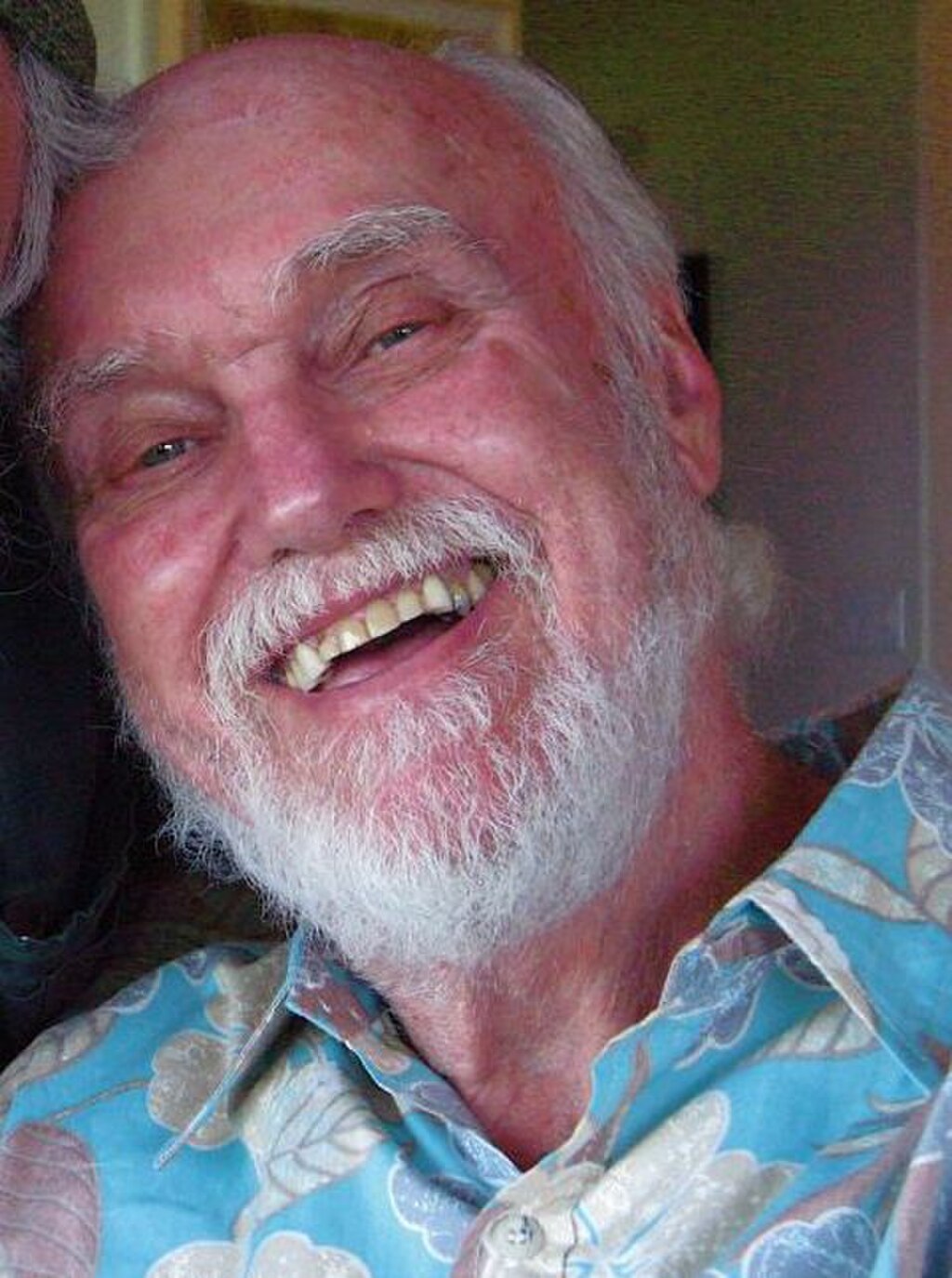
The Heart's Expression Through Service
Ram Dass's poignant assertion, "Service is the way the heart loves through the body," invites us to consider the profound connection between our inner emotional landscape and our outward actions. In this statement, he encapsulates the essence of love as an active force, one that finds its fullest expression not merely in sentiment but through tangible acts of service. This perspective challenges us to reflect on how we embody love in our daily lives and the ways in which our actions can resonate with the deeper currents of compassion and connection.
At its core, this quote serves as a reminder that love is not a passive experience but an active engagement with the world around us. It suggests that the heart, often seen as the seat of emotion, is not fulfilled in isolation; rather, it flourishes when we extend ourselves to others. This notion of service as a conduit for love compels us to examine our motivations and the ways we can contribute to the well-being of those around us, ultimately enriching our own spiritual journey.
The image / the metaphor
The imagery in Ram Dass's quote is striking, evoking a sense of movement and connection. The heart, a symbol of love and compassion, is depicted as a source of energy that flows through the body into the world. The verb "loves" suggests an active, dynamic process, while "service" implies a selfless giving that transcends mere obligation. This interplay between the heart and body creates a vivid picture of how our inner feelings can manifest in meaningful actions, bridging the gap between thought and deed.
In the speaker's tradition
Ram Dass's teachings are deeply rooted in the Hindu tradition, where concepts such as bhakti (devotion) and dharma (righteous duty) play pivotal roles. In this context, service is not just an act of kindness; it is a spiritual practice that aligns with one's dharma, allowing individuals to express their devotion through selfless actions. The idea of kenosis, or self-emptying, resonates here as well, suggesting that true love requires us to let go of the ego and serve others with an open heart.
Furthermore, the notion of sunyata, or emptiness, can be seen as a backdrop to this teaching. By recognizing the interconnectedness of all beings, we understand that our service is not separate from ourselves; it is an extension of our very being. In texts such as the Bhagavad Gita, we find the encouragement to perform our duties without attachment to the fruits of our actions, reinforcing the idea that service is a path to spiritual liberation and fulfillment.
Living the teaching
Consider a modern scenario where this teaching can be applied: a community struggling with food insecurity. Engaging in service by volunteering at a local food bank allows individuals to embody love through their actions, transforming compassion into tangible support for those in need. This act of service not only addresses an immediate need but also fosters a sense of community and connection, illustrating how the heart's love can manifest through the body in meaningful ways.
Another application of this teaching can be found in personal relationships. Imagine a moment of conflict with a loved one; instead of retreating into defensiveness, one might choose to approach the situation with a spirit of service. By actively listening and seeking to understand the other person's perspective, we can transform a potentially divisive moment into an opportunity for deeper connection and healing. In this way, service becomes a practice of love that enriches our relationships and nurtures our emotional well-being.
A reflection
As we contemplate Ram Dass's assertion that "Service is the way the heart loves through the body," we are invited to reflect on our own lives and the ways we express love through our actions. How can we cultivate a spirit of service in our daily interactions, allowing our hearts to guide our hands? This question encourages us to explore the myriad ways we can embody love, not just in grand gestures but in the small, everyday moments that shape our connections with others.