Riding the Waves of Emotion: Finding Equanimity in the Ocean of Life
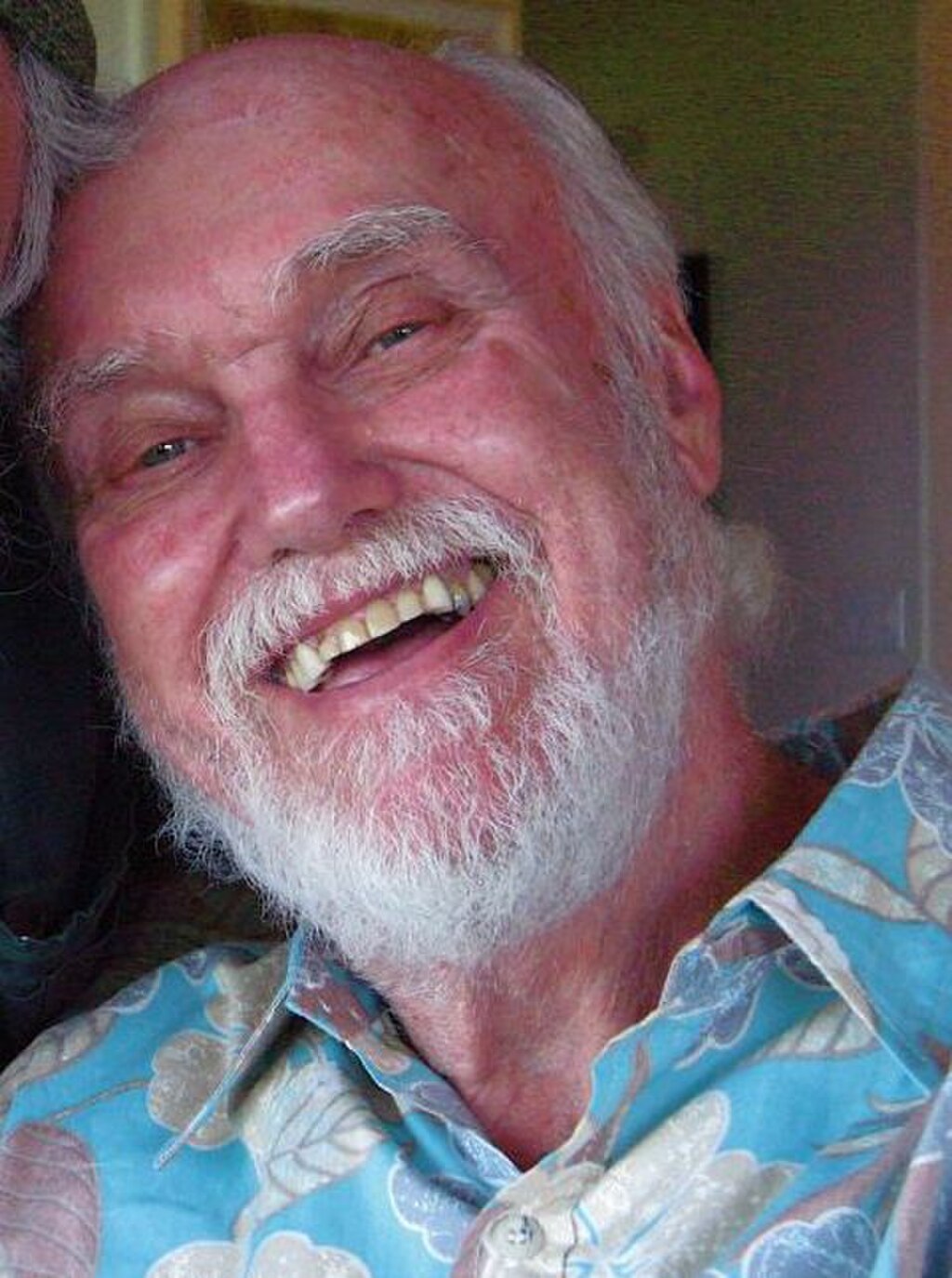
In the words of Ram Dass, "Emotions are like waves. Watch them disappear in the distance on the vast calm ocean." This evocative metaphor invites us to observe our emotions as transient phenomena, akin to waves that rise and fall, ultimately receding into the vastness of the ocean. The stakes of this teaching are profound; in a world often dominated by emotional turbulence, cultivating the ability to witness our feelings without becoming overwhelmed can lead to a deeper sense of peace and equanimity. Understanding this perspective not only enriches our personal experience but also enhances our interactions with others, fostering compassion and understanding.
As we delve deeper into this metaphor, we recognize that the ocean represents a vast reservoir of calmness and stability, while the waves symbolize the fleeting nature of our emotional states. This distinction is crucial, as it encourages us to cultivate a sense of detachment from our emotions, allowing us to experience them without being swept away. By embracing this perspective, we can navigate the complexities of life with greater ease, recognizing that our emotions, like waves, are temporary and ultimately part of a larger, serene landscape.
The image / the metaphor
The imagery of waves and the ocean is rich with meaning. Waves are dynamic, constantly shifting and changing, much like our emotional experiences. The verbs "watch" and "disappear" suggest a passive yet engaged observation, inviting us to step back from our emotions and witness them without judgment. This felt sense of distance allows us to acknowledge our feelings without becoming entangled in them, creating space for reflection and understanding.
Diving deeper into this metaphor, we can see that the ocean's vastness symbolizes the unchanging essence of our true nature, which remains undisturbed by the fluctuations of emotion. Just as the ocean is expansive and deep, so too is our inner self, capable of holding a multitude of experiences without losing its inherent calm. This understanding encourages us to cultivate a sense of equanimity, recognizing that while emotions may rise and fall, our core being remains steady and unshaken.
In the speaker's tradition
Ram Dass's teachings are deeply rooted in the Hindu tradition, where concepts such as dharma, bhakti, and prajna illuminate the path toward understanding our emotional landscape. The notion of dharma encourages us to fulfill our responsibilities with mindfulness, while bhakti emphasizes devotion and love, guiding us to connect with our emotions in a way that fosters compassion. Prajna, or wisdom, invites us to see beyond the surface of our feelings, recognizing their impermanence and allowing us to cultivate a sense of detachment.
A relevant text that resonates with this teaching is the Bhagavad Gita, where Lord Krishna advises Arjuna to perform his duty without attachment to the fruits of his actions. This principle echoes Ram Dass's message, urging us to engage with our emotions and experiences while maintaining a sense of detachment. By understanding that emotions are transient, we can navigate our lives with greater clarity and purpose, embodying the wisdom of the Gita in our daily interactions.
Living the teaching
Consider a modern scenario where this teaching can be applied: imagine a challenging day at work, filled with stress and frustration. As emotions rise, it can be easy to become overwhelmed, reacting impulsively or allowing negativity to cloud our judgment. By remembering Ram Dass's metaphor, we can take a step back, observing our feelings as waves that will eventually recede. This practice of mindful observation allows us to respond thoughtfully rather than reactively, fostering a more harmonious work environment.
In the context of relationships, this teaching can also be transformative. During a disagreement with a loved one, emotions may flare, leading to hurtful words and misunderstandings. By applying the wisdom of watching emotions like waves, we can pause and recognize that these feelings are temporary. This awareness enables us to approach the situation with compassion, allowing space for healing and understanding rather than escalating conflict. In both scenarios, the practice of observing emotions fosters deeper connections and a greater sense of peace.
A reflection
As we reflect on Ram Dass's poignant words, we are invited to consider: how can we cultivate the practice of observing our emotions without becoming entangled in them? This contemplative question encourages us to explore our relationship with our feelings, seeking to understand their transient nature while remaining anchored in the calm ocean of our true selves. By embracing this practice, we can navigate the waves of life with grace and equanimity, fostering a deeper connection to ourselves and those around us.