EveryEvent ATX

Parcourir tous les Events

Live Music Capital of the World

events

Concerts & Live Music
Festivals
Sports & Recreation
Food & Drink
Arts & Culture
Community
Family & Kids
Nightlife
Comedy
Theater
Destinations populaires
BaliSedonaLos AngelesCosta RicaNew YorkSan FranciscoAustinMiamiJoshua TreeTulum
Voir toutes les catégoriesVoir toutes les destinations

Explorer toutes les fonctionnalités

Des outils puissants pour développer vos événements

Fonctionnalités de la plateforme

Tarification dynamique intelligente
Catégories de billets
Places assignées
Récupération des paniers abandonnés
Récupération des visiteurs
Dons & Prix variables
Système d'affiliation
Scanner de billets
Codes promo
Questions personnalisées
Partage de billets
Ventes additionnelles & Options
Analyses & Rapports
Séquences d'emails
Liste d'attente / Notifier / Rappeler
Explorer
Discovery HubArtists & PerformersVenuesKnowledge Base
Voir toutes les fonctionnalitésÀ propos
TarifsBlog
Parcourir tous les événements

events

Concerts & Live MusicFestivalsSports & RecreationFood & DrinkArts & CultureCommunityFamily & KidsNightlife

Destinations populaires

BaliSedonaLos AngelesCosta RicaNew YorkSan Francisco

Explorer

Discovery HubArtists & PerformersVenuesKnowledge Base

Fonctionnalités de la plateforme

Tarification dynamique intelligenteCatégories de billetsPlaces assignéesRécupération des paniers abandonnésRécupération des visiteursDons & Prix variablesSystème d'affiliationScanner de billetsCodes promoQuestions personnaliséesPartage de billetsVentes additionnelles & OptionsAnalyses & RapportsSéquences d'emailsListe d'attente / Notifier / Rappeler
Voir toutes les fonctionnalitésÀ propos
TarifsBlog
ConnexionS'inscrireOrganisateurs d'événements
  • Browse All Events
  • Concerts & Live Music
  • Festivals
  • Sports & Recreation
  • Food & Drink
  • Arts & Culture
  • Community
  • Family & Kids
  • Nightlife
  • Toutes les catégories →
  • San Antonio
  • Hill Country
  • Fredericksburg
  • Houston
  • Dallas
  • All Destinations →
  • For Promoters
  • For Artists
  • For Venues
  • For Festivals
  • For Event Spaces
  • For Nonprofits
  • For Bloggers
  • For Speakers
  • Brand Ambassador
  • Case Studies
  • Réseau de 350K+ acheteurs
  • Récupération des paniers abandonnés
  • Tarification dynamique intelligente
  • Catégories de billets
  • Événements récurrents
  • Places assignées
  • Système d'affiliation
  • Liste d'attente / Notifier
  • Scanner de billets
  • Widget intégrable
  • Event Syndication
  • Message Center
  • Integrations
  • Reports
  • Toutes les fonctionnalités →
  • À propos
  • The Ecosystem
  • Blog
  • Glossaire
  • Inspiration
  • Centre d'aide
  • Contact
  • Documentation API
  • Ressources de marque
  • Carrières
  • Presse
  • Conditions d'utilisation
  • Politique de confidentialité

Events

  • Browse All Events
  • Concerts & Live Music
  • Festivals
  • Sports & Recreation
  • Food & Drink
  • Arts & Culture
  • Community
  • Family & Kids
  • Nightlife
  • Toutes les catégories →

Getaways

  • San Antonio
  • Hill Country
  • Fredericksburg
  • Houston
  • Dallas
  • All Destinations →

For Organizers

  • For Promoters
  • For Artists
  • For Venues
  • For Festivals
  • For Event Spaces
  • For Nonprofits
  • For Bloggers
  • For Speakers
  • Brand Ambassador
  • Case Studies

Fonctionnalités

  • Réseau de 350K+ acheteurs
  • Récupération des paniers abandonnés
  • Tarification dynamique intelligente
  • Catégories de billets
  • Événements récurrents
  • Places assignées
  • Système d'affiliation
  • Liste d'attente / Notifier
  • Scanner de billets
  • Widget intégrable
  • Event Syndication
  • Message Center
  • Integrations
  • Reports
  • Toutes les fonctionnalités →

Entreprise

  • À propos
  • The Ecosystem
  • Blog
  • Glossaire
  • Inspiration
  • Centre d'aide
  • Contact
  • Documentation API
  • Ressources de marque
  • Carrières
  • Presse
  • Conditions d'utilisation
  • Politique de confidentialité
EveryEvent
© 2026 EveryEvent Austin. Tous droits réservés.
Inspiration

When Thinking TakesOver Your Identity

Eckhart Tolle
Eckhart Tolle
Apr 25, 2026
7 min read

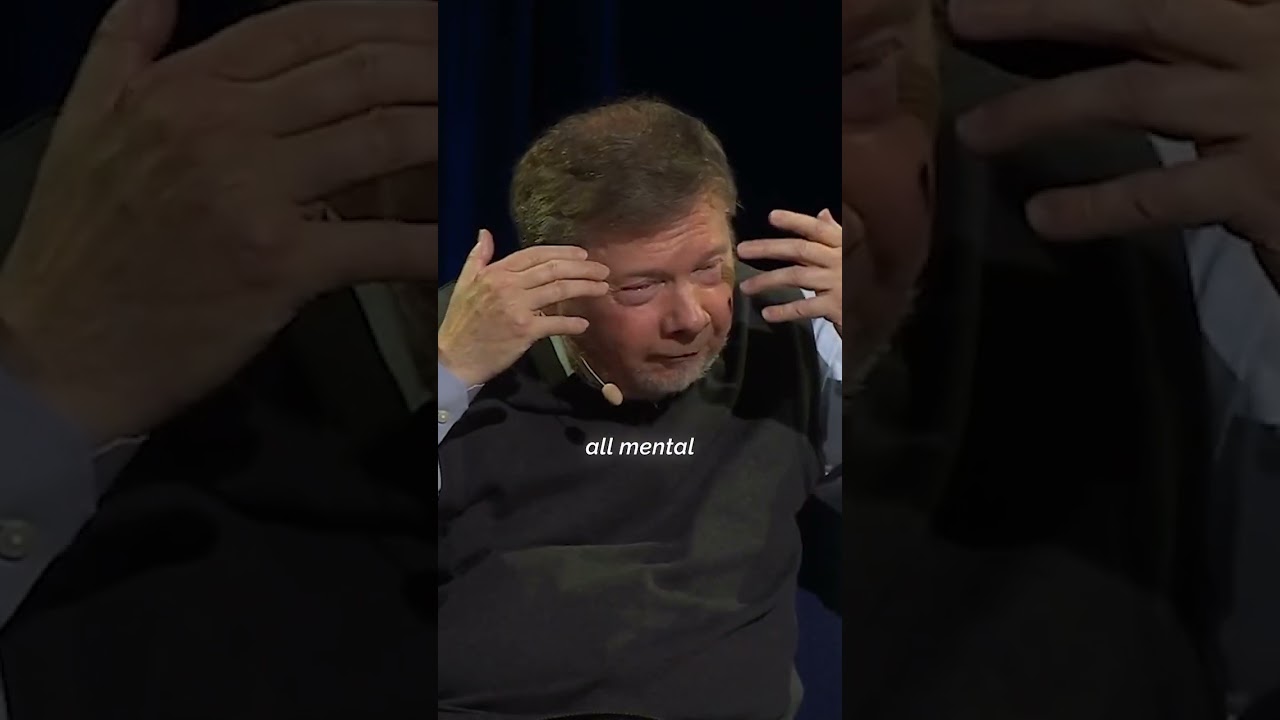
TLDR: Thinking is a valuable tool, but when the mind assumes your identity and you lose the ability to step back from it, thinking uses you rather than the other way around. This identification with thought creates compulsive mental activity, emotional reactivity, and a loss of conscious choice. The shift from being used by thinking to using thinking as a tool involves recognizing that you are not your thoughts—you are the awareness observing them.

Read · 6 sections

What Is the Difference Between Using Thinking and Being Used by Thinking?

The core distinction lies in whether consciousness remains the primary seat of identity or whether the thinking mind has claimed that position. When you are using thinking, the mind remains a tool—a practical instrument for solving problems, communicating, and navigating the world. In this mode, you can engage thought when useful and step away from it when it is not needed. You retain what Tolle describes as presence or conscious awareness as your ground of being.

When thinking uses you, the opposite dynamic emerges. The mind does not serve consciousness; instead, consciousness becomes colonized by mental activity. Your sense of self becomes fused with the continuous stream of thoughts, feelings, and mental commentary. You no longer choose to think; you are thought. This identification is so complete that there is no gap, no space between the observer and the observed. What you experience is a compulsive, automatic quality to mental life—thoughts arising unbidden, emotions triggered by those thoughts, and a sense that "you" are somehow at the mercy of this mental machinery.

How Does the Mind Assume Your Identity?

This takeover is not sudden or dramatic; it is gradual and often invisible. From early childhood, the thinking mind begins to construct a sense of self—a conceptual identity made of memories, beliefs, preferences, and stories about who "you" are. Over time, this mental construct becomes so habitual that it is mistaken for your actual being. The thinking process—the narrator inside your head—becomes so constant that you forget it is something happening rather than something you are.

Once this identification is established, the mind becomes self-perpetuating. It generates thoughts to maintain and defend the constructed identity. If you believe you are anxious, the mind produces anxious thoughts and seeks evidence to confirm that belief. If you believe you are not good enough, the mind generates thoughts of inadequacy and failure. The identity becomes a closed loop, with thinking reinforcing itself through identification, and identification generating more compulsive thinking. In this state, there is no conscious choice—only automatic reaction driven by the deeply embedded sense of "I am my thoughts and the ego they support."

What Happens When Thinking Uses You Instead of You Using It?

The consequences are visible in everyday experience. First, there is a loss of presence. Instead of being here now, consciousness is pulled into past and future—into regret, planning, worry, and anticipation. The mind spins out scenarios, rehashes conversations, constructs imaginary futures. You are no longer in contact with reality as it is; you are lost in the mental interpretation of reality.

Second, emotional reactivity increases. When you are identified with thought, you are also identified with the emotions that thoughts generate. A negative thought produces negative emotion, and that emotion generates more negative thoughts. You become trapped in loops of anxiety, anger, sadness, or shame with no clear way out. These are not chosen responses; they are automatic reactions to the mind's own mental content.

Third, there is a reduction in authentic choice. When thinking uses you, your actions flow from conditioned patterns rather than conscious awareness. You repeat the same behaviors, respond to people in the same limited ways, and follow the same scripts. There is no space between stimulus and response—no room for genuine decision-making. You are run by your mental programming rather than inhabiting conscious agency.

Finally, there is a subtle sense of fragmentation and inauthenticity. Because the constructed identity is never quite secure, the mind works continuously to shore it up, defend it, compare it to other identities, and seek approval for it. This creates an exhausting quality to existence. You are not fully present; you are constantly performing the role that your thoughts have designated as "you."

Can Thinking Ever Stop Being a Tool and Return to Serving You?

Yes, but this requires a fundamental shift in identification. The shift involves recognizing that you are not the thinking process—you are the awareness in which thinking occurs. Tolle emphasizes that consciousness itself is prior to and independent of thought. You can observe thoughts arising and passing without being those thoughts. This observing capacity is your true nature; it is not produced by thinking.

When this recognition begins to stabilize, thinking naturally reverts to a tool function. The mind becomes useful for practical tasks but does not claim the identity seat. You can think about how to solve a problem without fusing with anxious thoughts about whether the problem is insurmountable. You can reflect on a relationship without losing yourself in the ego's defensive narratives about it. Thought remains available, but you are no longer possessed by it.

This shift is sometimes sudden, but more often it is gradual. It requires noticing the voice in your head without judging it or trying to stop it. It involves recognizing in real time the moment when you have been caught by a thought pattern—when the mind has claimed your identity—and gently returning awareness to the present moment, to the body, to sensation, to breath. Over time, the gap between thinking and consciousness widens. Thinking becomes less compulsive. Identity becomes rooted in awareness rather than in the mental construct.

What Is the Practical Significance of This Distinction?

The ability to use thinking rather than be used by it is the gateway to a freer life. When consciousness is not identified with thought, you have real choice. You can decide whether a thought is true or useful. You can act from your deeper values rather than from conditioned reactions. You can be present with people and situations rather than filtered through layers of mental commentary.

This distinction also affects well-being. Suffering often arises not from external circumstances but from the mind's interpretation of those circumstances combined with identification with that interpretation. When you step back from thinking, you can experience difficulty without the additional suffering layer of the mind's stories about difficulty. Pain remains, but the mental elaboration of pain—the worry, the fear, the narrative of how this means something is wrong with you—can begin to quiet.

In relationships, this shift allows genuine meeting. When your mind is not using you, you are actually present with another person rather than lost in thoughts about them or yourself. You can listen and respond rather than react from old patterns. In work and creativity, the mind becomes a servant of intention rather than a master of compulsion. You accomplish more with less effortfulness because the friction of identification has decreased.

Where to Go From Here

The invitation in Tolle's teaching is simple but challenging: observe the movement of your mind without judgment. Notice when thinking has claimed your identity—when the voice in your head has become the primary sense of who you are. In that noticing, awareness is already beginning to separate from thought. Continue to return to the present moment through whatever anchor is available: the breath, the body, sensory experience, or the quality of awareness itself. Over time, this simple practice generates a fundamental reorientation. You discover that you are not the thinking mind—you are the space in which it occurs. Thinking can then resume its proper function: to be a useful tool that serves your conscious intent rather than a tyrant that commands your identity.

Transcript

[0:00] The mind-made sense of self is

[0:05] a terrible curse. [clears throat]

[0:07] And that is something that we need to

[0:10] transcend.

[0:12] So that we can actually use thinking in

[0:15] a powerful, focused, constructive way

[0:19] and actually create and manifest things

[0:22] through thinking. Thinking is a amazing

[0:25] tool.

[0:27] Where thinking becomes destructive

[0:31] is when it assumes your identity. Then

[0:35] when you do not think,

[0:37] but thinking happens to you.

[0:40] So in other words,

[0:42] I am actually possessed

[0:45] by my own mind.

Eckhart Tolle
AuthorEckhart Tolle

German-born spiritual teacher whose 1997 book The Power of Now became one of the most widely read spiritual works of the 21st century. After a profound transformation at 29 — movin…

View profileWebsite
Explore Topics
Ego-identityThinking-mindConsciousnessPresenceThought-awareness

Got Questions?

Frequently Asked Questions

It means your sense of identity has become fused with the thinking process itself. Rather than using thoughts as a tool, you are identified with thoughts as who you are, so they operate automatically without conscious choice. Your awareness has been colonized by compulsive mental activity.
Signs include: constant mental commentary you cannot stop, emotional reactivity to your own thoughts, losing presence in the moment as the mind pulls you into past or future, feeling run by habitual patterns rather than making conscious choices, and a subtle sense of exhaustion from continuously defending or performing a mental self-image.
Yes. Consciousness is prior to and independent of thought. You can observe thoughts arising without identifying with them. This separation is the key shift—recognizing that you are the awareness witnessing thoughts, not the thoughts themselves. This recognition typically develops through noticing the mind's activity without judgment and returning to the present moment.
Thinking becomes a tool again—available for practical problem-solving, communication, and planning, but no longer compulsive or claiming your identity. The mind quiets naturally because it is no longer working overtime to defend a constructed ego identity. You can engage thought when useful and step away from it when it is not.
No. Trying to stop thinking only creates more mental struggle and identification with the mind's activity. Instead, the shift involves stepping back to observe thinking without judgment, recognizing that you are not the thinking process, and gradually returning awareness to the present moment and the body. Thinking naturally becomes less compulsive as identification loosens.
Much suffering comes from identification with the mind's interpretation and stories about experience, not from the experience itself. When you separate from compulsive thinking, you can experience difficulty without the layer of mental elaboration that turns pain into prolonged suffering. The mind's narrative about what difficulty means can quiet while you remain present with what actually is.
Yes, and often more effectively. When thinking serves conscious intention rather than compulsive ego-driven patterns, you act with more clarity and less friction. Goals can be pursued from genuine values rather than from the mind's defensive agenda, which often undermines authentic accomplishment.

Continue Reading

More from Eckhart

View All
God Beyond the Sky: Rethinking Divine Nature
Inspire

God Beyond the Sky: Rethinking Divine Nature

God is not an external judge deciding human suffering. Suffering itself becomes the mechanism through which consciousness awakens to itself.…

1 min read
God, Suffering, and the One Life Across Traditions
Inspire

God, Suffering, and the One Life Across Traditions

Eckhart Tolle explores how Islam, Buddhism, and Greek philosophy all point to the same ultimate reality—and why the problem of suffering dis…

1 min read
Why Humanity Cannot Sit in Silence: Disconnection from Being
Inspire

Why Humanity Cannot Sit in Silence: Disconnection from Being

The root of human conflict lies in disconnection from the being dimension—the inability to find peace when alone. When disconnected from bei…

1 min read
Who You Really Are Beyond Surface Identity
Inspire

Who You Really Are Beyond Surface Identity

You are not your body, name, or conditioned mind. Eckhart Tolle reveals the distinction between surface identity and deeper being.…

1 min read

Keep exploring

Continue your journey

More wisdom and gatherings from across the BrightStar directory.

More Articles

Browse the full library of teachings, interviews, and guides.

Back to all articles →

Teachers & Artists

Explore the lineages, musicians, and guides of the conscious world.

Explore artists →

Find an Event

Kirtan, retreats, sound baths, breathwork, festivals — happening soon.

Browse events →
Read more from BrightStarCreate Free Account
Host your own gatherings?Try the Demo