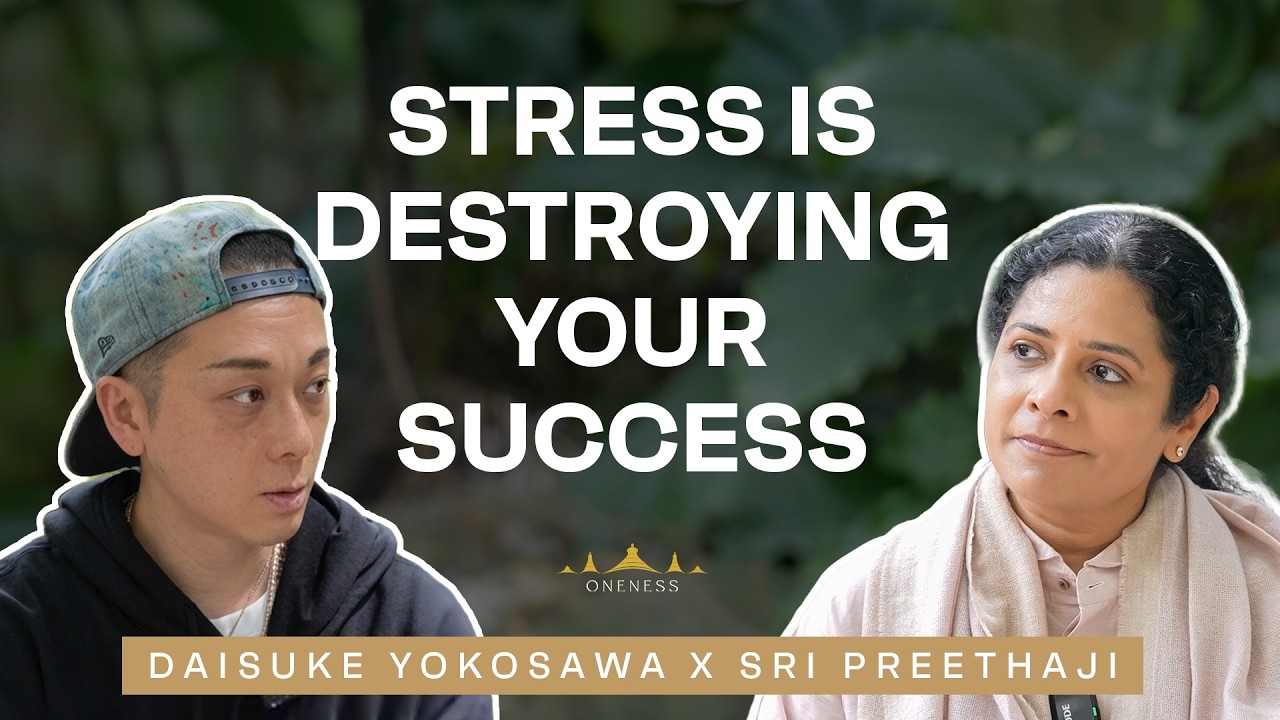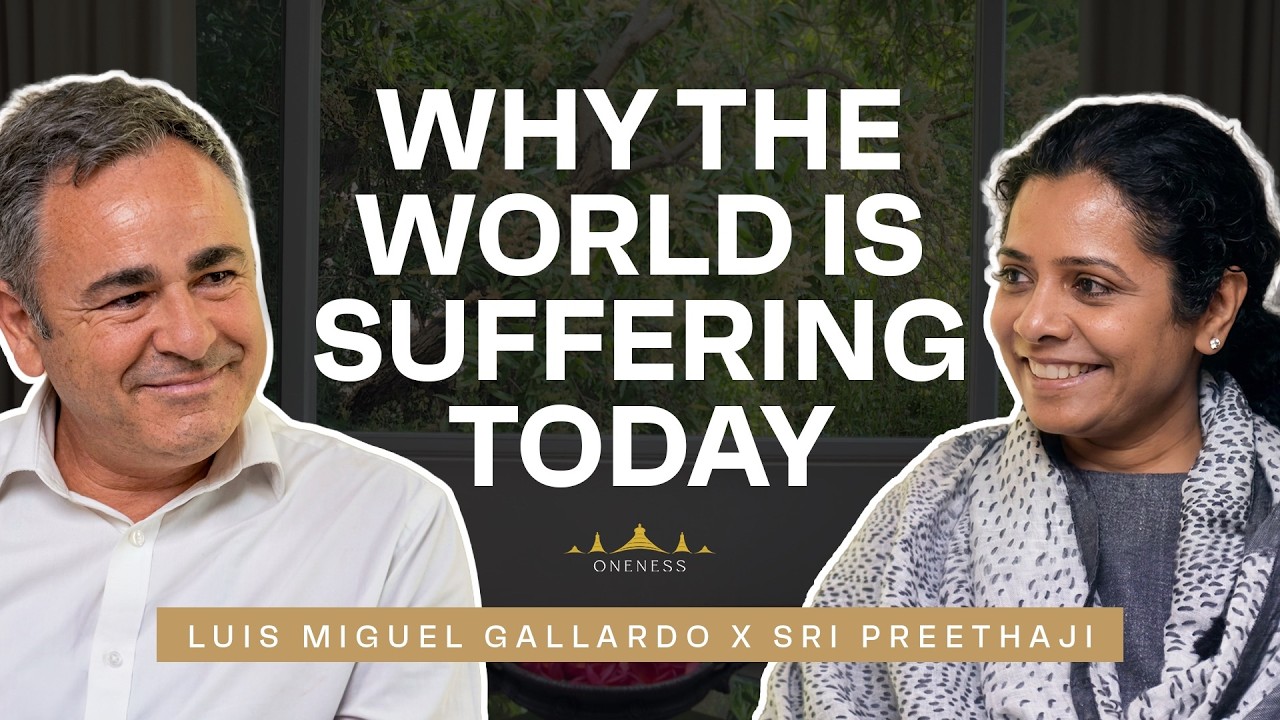
Financial stress stems not from external circumstances alone, but from an inner state of fear and lack. When the mind is filled with anxiety and scarcity thinking, life reflects that back through continued struggle and missed opportunities. By cultivating an inner state of peace, calm, and emotional abundance, the mind naturally becomes receptive to opportunities, and prosperity flows more easily. The teachings emphasize that healing your relationship with money begins with healing your inner emotional landscape and releasing the fear-based narratives that keep you locked in financial constraint.
How Your Inner World Creates Your Financial Reality
The premise underlying this work is straightforward but profound: your inner state is not separate from your external circumstances—it actively shapes them. When your mind is dominated by fear about money, uncertainty about the future, and a deep belief in scarcity, you don't just feel stressed; you operate from a frequency that closes doors rather than opens them. You miss opportunities because you're too anxious to notice them. You make defensive financial decisions rather than expansive ones. You attract people and situations that reinforce your belief in lack.
This is not metaphysical thinking divorced from reality. Neuroscience confirms that a brain in a state of chronic fear narrows its attention and reduces cognitive flexibility. Fear-based thinking is survival thinking—it's designed to protect you from immediate threat, not to help you spot opportunity or take calculated risks. When you're living in financial anxiety, your nervous system is partly in a defensive posture, which makes genuine abundance thinking nearly impossible.
The teaching here suggests that before you can shift your financial circumstances, you must shift what's happening in your mind and emotional body. This is not blame—it's not saying your financial stress is "your fault" or a personal failure. Rather, it's an invitation to recognize that the leverage point for real change is internal, not external.
What Does Financial Peace Actually Require?
The talks point toward three interconnected shifts: releasing stress and anxiety specifically around money, developing a calm and connected inner state, and healing the emotional wounds that keep you locked in scarcity consciousness.
Releasing financial anxiety doesn't mean ignoring your budget or pretending money doesn't matter. It means changing your relationship with uncertainty. Most financial stress isn't caused by having zero dollars; it's caused by the stories you tell yourself about what money means—safety, worth, survival, control. When you can separate the physical fact of your finances from the emotional charge around them, you gain space to think clearly and act wisely.
A calm and connected inner state is the soil from which prosperity grows. "Connected" here likely refers to connection to yourself, to others, and to a sense of purpose or meaning beyond accumulation. Research on wealthy and generous people shows that those who give, who feel genuinely connected to their community, and who have a sense of purpose often experience greater financial ease than those who hoard or live in isolation. Calm—genuine nervous-system calm, not forced optimism—allows your mind to notice opportunities, build relationships, and take skillful action rather than reactive ones.
Can You Attract Prosperity Through Your Mental State?
The teaching claims that when you cultivate peace, "opportunities, prosperity, and joy naturally flow your way." This can sound like magical thinking if taken literally, but the mechanism is psychological and relational. A person in a calm, open state:
- Notices more opportunities in their environment (because their attention isn't narrowed by threat detection)
- Is more likely to take action on those opportunities (because they're not paralyzed by fear)
- Builds stronger relationships with others (because calm, open people are more approachable and trustworthy)
- Makes better financial decisions (because their prefrontal cortex, the seat of deliberation, is online)
- Is more resilient in the face of setbacks (because they're not already depleted by chronic stress)
In this sense, yes—your mental and emotional state directly influences what you attract, not through visualization or cosmic ordering, but through the straightforward mechanisms of attention, behavior, and relationship.
How Does Emotional Healing Connect to Financial Abundance?
The description mentions "healing emotional wounds" and "opening the flow of emotional abundance." This suggests that many people's financial blocks are rooted in old emotional patterns. Someone whose childhood was marked by deprivation, for instance, may unconsciously recreate scarcity as an adult, even when circumstances improve. Someone who equates money with selfishness may sabotage their own earning. Someone whose parent was financially controlling may rebel into financial recklessness. These aren't logical problems; they're emotional ones.
Healing these wounds doesn't require that you remember every incident or dig through years of therapy notes. It requires recognizing the pattern, understanding where it came from, and consciously choosing a different internal narrative. The teachings emphasize creating a "life of harmony, wealth, and purpose," suggesting that financial abundance is most sustainable when it's anchored in internal coherence rather than external striving alone.
What Is the Role of Emotional Abundance Beyond Money?
The summit description also mentions healing relationships and "emotional abundance." This broadens the conversation beyond finances into a more holistic understanding of prosperity. Someone can be financially wealthy but emotionally impoverished—isolated, anxious, disconnected. Conversely, someone with modest financial means can have emotional abundance—deep relationships, a sense of belonging, joy in small things. The teaching seems to suggest that opening "the flow of emotional abundance" is foundational. When you feel truly rich in relationships, meaning, and inner peace, you relate to money differently. You're less desperate, less grasping. You're more generous. And paradoxically, that generosity and emotional ease often lead to greater financial opportunity.
Where to Go From Here
The immediate pathway offered is participation in the Oneness Global Summit (January 23–25, 2026), a free three-day online event specifically designed to help participants release financial anxiety, cultivate inner peace, and attract prosperity. The structure—three hours per day—suggests a mix of teaching, practice, and guided experience.
Beyond the summit, the work of shifting from financial stress to genuine abundance is primarily one of inner attention: noticing when fear arises around money, practicing nervous-system settling techniques (meditation, breathwork, or movement), examining the stories you tell yourself about worth and scarcity, and deliberately cultivating moments of peace and connection. The premise is that your outer financial life is always a reflection of your inner state—so changing that state, slowly and consistently, will shift what's possible for you.