EveryEvent ATX

Ver Todos los Events

Live Music Capital of the World

events

Concerts & Live Music
Festivals
Sports & Recreation
Food & Drink
Arts & Culture
Community
Family & Kids
Nightlife
Comedy
Theater
Destinos Populares
BaliSedonaLos AngelesCosta RicaNew YorkSan FranciscoAustinMiamiJoshua TreeTulum
Ver Todas las CategoríasVer Todos los Destinos

Explorar Todas las Características

Herramientas poderosas para hacer crecer tus eventos

Características de la Plataforma

Precios Dinámicos Inteligentes
Categorías de Entradas
Asientos Asignados
Recuperación de Carritos
Recuperación de Visitantes
Donaciones y Escala Móvil
Motor de Afiliados
Escáner de Entradas
Códigos de Cupón
Preguntas Personalizadas
Compartir Entradas
Ventas Adicionales
Análisis e Informes
Secuencias de Email
Lista de Espera / Notificar / Recordar
Explorar
Discovery HubArtists & PerformersVenuesKnowledge Base
Ver Todas las CaracterísticasSobre Nosotros
PreciosBlog
Language
Saved events
Ver Todos los Eventos

events

Concerts & Live MusicFestivalsSports & RecreationFood & DrinkArts & CultureCommunityFamily & KidsNightlife

Destinos Populares

BaliSedonaLos AngelesCosta RicaNew YorkSan Francisco

Explorar

Discovery HubArtists & PerformersVenuesKnowledge Base

Características de la Plataforma

Precios Dinámicos InteligentesCategorías de EntradasAsientos AsignadosRecuperación de CarritosRecuperación de VisitantesDonaciones y Escala MóvilMotor de AfiliadosEscáner de EntradasCódigos de CupónPreguntas PersonalizadasCompartir EntradasVentas AdicionalesAnálisis e InformesSecuencias de EmailLista de Espera / Notificar / Recordar
Ver Todas las CaracterísticasSobre Nosotros
PreciosBlog
Iniciar sesiónRegistrarseOrganizadores de Eventos
  • Browse All Events
  • Concerts & Live Music
  • Festivals
  • Sports & Recreation
  • Food & Drink
  • Arts & Culture
  • Community
  • Family & Kids
  • Nightlife
  • Todas las Categorías →
  • San Antonio
  • Hill Country
  • Fredericksburg
  • Houston
  • Dallas
  • All Destinations →
  • For Promoters
  • For Artists
  • For Venues
  • For Festivals
  • For Event Spaces
  • For Nonprofits
  • For Bloggers
  • For Speakers
  • Brand Ambassador
  • Case Studies
  • Red de +350K Compradores
  • Recuperación de Carritos
  • Precios Dinámicos Inteligentes
  • Categorías de Entradas
  • Eventos Recurrentes
  • Asientos Asignados
  • Motor de Afiliados
  • Lista de Espera / Notificar
  • Escáner de Entradas
  • Widget Embebido
  • Sindicación de eventos
  • Centro de mensajes
  • Integraciones
  • Reportes
  • Todas las Características →
  • Acerca de
  • El ecosistema
  • Blog
  • Glosario
  • Inspiración
  • Centro de Ayuda
  • Contacto
  • Documentación API
  • Recursos de Marca
  • Carreras
  • Prensa
  • Términos de Servicio
  • Política de Privacidad

Events

  • Browse All Events
  • Concerts & Live Music
  • Festivals
  • Sports & Recreation
  • Food & Drink
  • Arts & Culture
  • Community
  • Family & Kids
  • Nightlife
  • Todas las Categorías →

Getaways

  • San Antonio
  • Hill Country
  • Fredericksburg
  • Houston
  • Dallas
  • All Destinations →

For Organizers

  • For Promoters
  • For Artists
  • For Venues
  • For Festivals
  • For Event Spaces
  • For Nonprofits
  • For Bloggers
  • For Speakers
  • Brand Ambassador
  • Case Studies

Características

  • Red de +350K Compradores
  • Recuperación de Carritos
  • Precios Dinámicos Inteligentes
  • Categorías de Entradas
  • Eventos Recurrentes
  • Asientos Asignados
  • Motor de Afiliados
  • Lista de Espera / Notificar
  • Escáner de Entradas
  • Widget Embebido
  • Sindicación de eventos
  • Centro de mensajes
  • Integraciones
  • Reportes
  • Todas las Características →

Empresa

  • Acerca de
  • El ecosistema
  • Blog
  • Glosario
  • Inspiración
  • Centro de Ayuda
  • Contacto
  • Documentación API
  • Recursos de Marca
  • Carreras
  • Prensa
  • Términos de Servicio
  • Política de Privacidad
EveryEvent
© 2026 EveryEvent Austin. Todos los derechos reservados.
Inspiration

Do You Really Need a Partner to BeHappy? The Work on Loneliness and Desire

Byron Katie
Byron Katie
Apr 18, 2018
11 min de lectura

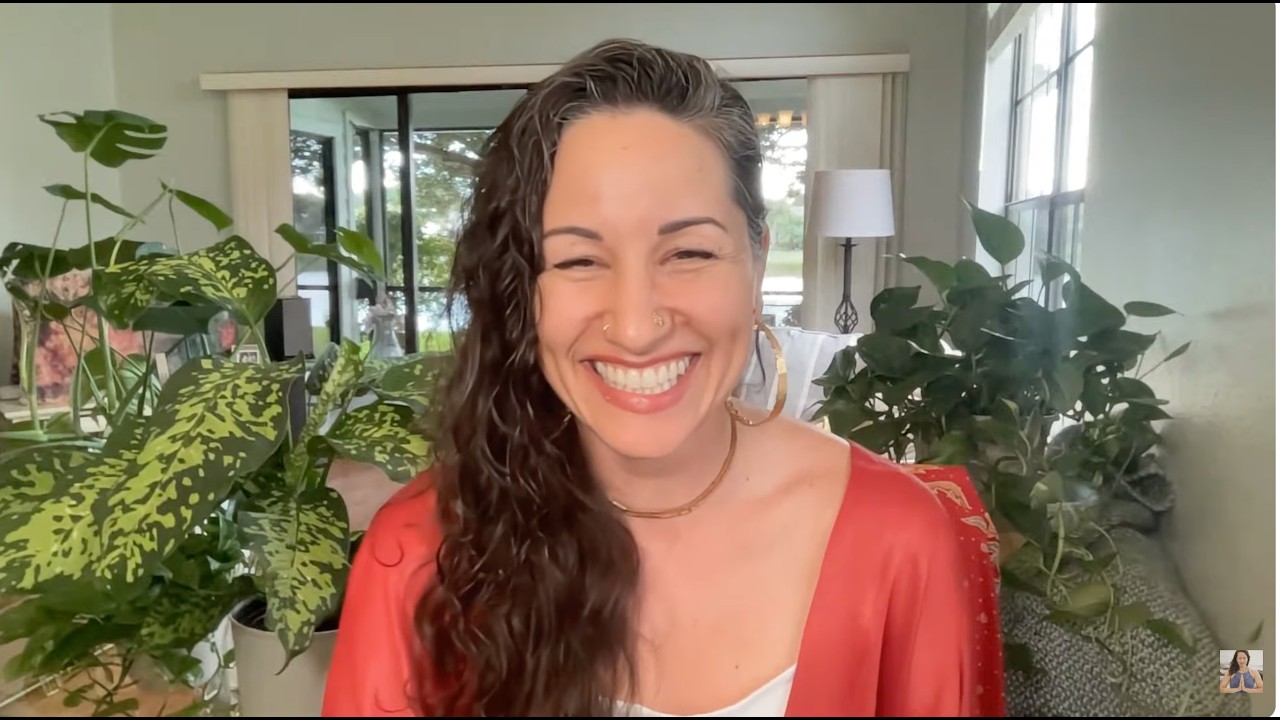
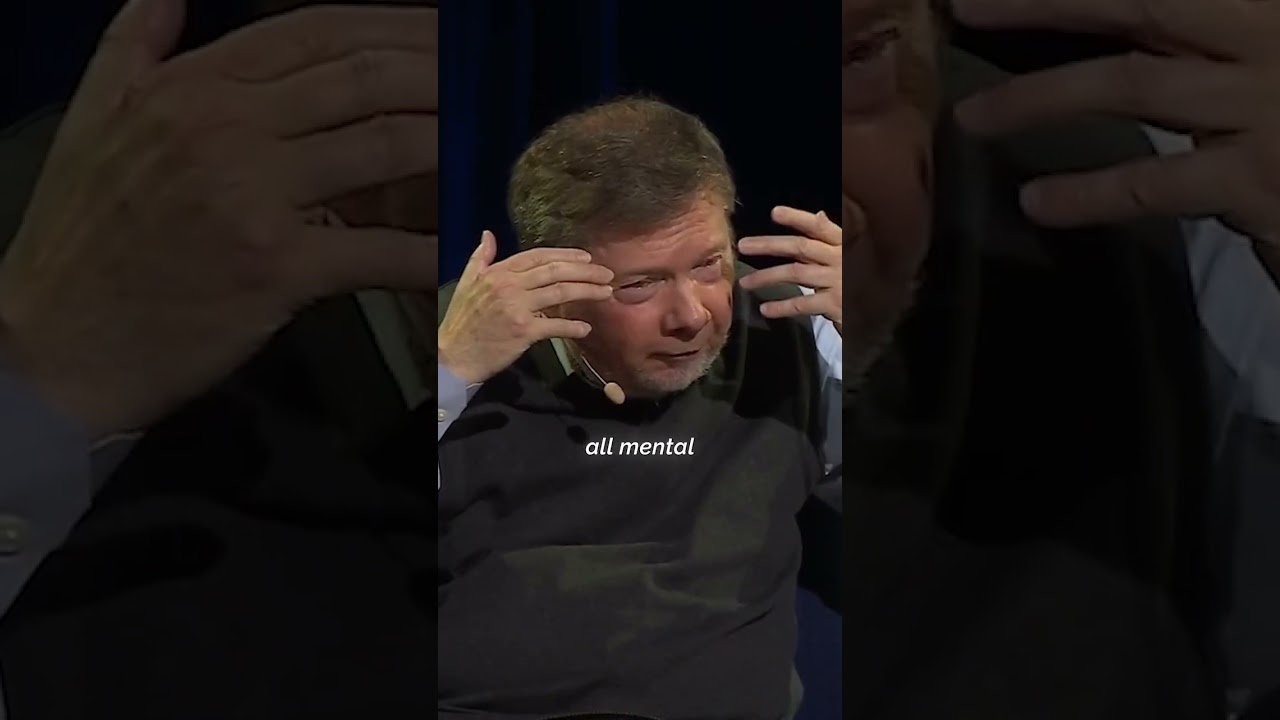
Byron Katie conducts a live session of The Work with a woman struggling with the belief "I need a partner to be happy." Through systematic questioning, Katie helps her examine the thoughts and imagined scenarios—of future loneliness, of other people at reunions with partners, of lack of human touch—that generate suffering in the present. Katie distinguishes between the actual present moment (in which the woman is fine) and the mental movie of a lonely future (which causes all the pain). By turning the statement around to "I don't need a partner" and "I don't want a partner," the woman discovers that the imagined future, not her current reality, is the source of her despair. The Work reveals that self-love and presence matter more than finding a partner, and that when someone is at peace with themselves, partnership becomes secondary to freedom.

Leer · 8 secciones

What Is The Work and How Does It Address Romantic Loneliness?

The Work of Byron Katie is a four-question inquiry process designed to help people examine the beliefs that cause suffering. In this session, Katie works with a woman whose primary fear is "being totally alone without ever having a partner again" and living out her remaining years in solitude. Rather than offering reassurance or positive thinking, Katie uses systematic questioning to reveal the structure of the woman's suffering. The woman reveals her worry spans a 85-year horizon—she imagines herself at 102 years old, still single, still eating dinners alone, unable to bring a partner to family reunions, waking and falling asleep without human touch. This imagined future feels vividly real to her, yet it exists only as a mental construct.

Katie's core insight is that the suffering comes not from the lack of a partner in the present moment, but from the thought about the lack of a partner, combined with images of a lonely future. When Katie asks the woman, "You're 102 years old, sitting in a chair, all alone. To be happy, do you need a partner—is it true?" the woman pauses and realizes that even in that scenario, she could be at peace. In fact, she says she hopes that by then she'll have been "doing the Work for 85 years" and won't need a partner. Katie notes: "I think you've been in some good company for those 85 years—your own." This reframes the entire inquiry: the question is not whether a partner will come, but whether the woman can befriend herself in the meantime.

How Do Imagined Futures About Romantic Partners Cause Suffering?

Katie introduces a core teaching: "It's not possible to feel fear if you're not witnessing a movie of you as the identity in a future." When the woman closes her eyes and explores what happens when she thinks the thought "I need a partner," she describes feeling "huge tightness in my stomach." Katie asks her to observe the mental images associated with that thought. The woman describes seeing herself at family reunions, at the market, walking down the street—always without a partner, while everyone around her has one and appears happy. She compares her imagined solitary self to the imagined coupled people and feels sadness.

This is Katie's key distinction: the suffering is not real loss (she doesn't have a partner yet, yes, but she is alive and present right now), but rather a vivid mental movie playing on loop. Katie uses the metaphor of dreaming: "You know at night when you're dreaming and you wake up and you think, 'Oh god, that was just a dream'? Well, your phone rings, the dream is over, and you say hello. That phone woke you up out of the dream of this imaginary future where it never changes—you're always going to be alone—and that is a very sad movie." The woman is, in effect, watching a waking dream, believing it as though it were real, and experiencing the emotion that comes with witnessing it.

Katie then strips away the mental movie and asks: "Other than what you're thinking and believing, are you okay [sitting at home at 102, alone]?" The woman replies: "Yeah. If I'm 102, I'm probably sitting there doing a puzzle or something." This is the pivot point: when the imagined future is removed, the present moment is not inherently painful. The woman is fine. The mind is the cause of the suffering, not the actual circumstance. Katie says: "You see that it's the mind that's the cause of your suffering. And you're not guilty—it's not your fault. It's a movie. You're asleep. You're asleep. Lack of awareness. Awareness is just being awake to the dream."

What Happens When You Turn the Belief Around?

The Work's final step is "the turnaround," in which the original statement is reversed or reframed to reveal alternative perspectives. Katie asks the woman to turn around "I need a partner" to "I don't need a partner." Sitting alone in the moment, the woman realizes: "No, I don't need a partner in this moment. Are you okay without a partner in this moment?" "Yeah," she replies. "I like doing puzzles by myself better anyway." Katie responds, "So far, life is looking good—in this moment." This turnaround exposes that the "need" for a partner is not absolute; it's a belief overlaid on the present, not a statement of actual fact.

When examining the statement "I want a partner," Katie pushes deeper. She asks: "Are you sure? Really consider that." The woman feels "a clench" that initially says yes, but acknowledges that with more time, the answer would be no. Katie then asks a pointed question: "How would you know? I mean, how would you know until you have one?" This is a radical inquiry into the nature of desire. The woman has created an imagined partner—a man who meets specific criteria (height, age, interests), who loves her and has no conflicts. But Katie points out: "When you find a partner, your dream husband, now you have two, and one cannot live. Your husband can never live up to your dream husband. It's not possible. The man you thought he was is not the man he was." This joke-like observation contains profound truth: we marry or partner with a real person, but we're often comparing them to an imagined ideal, and the real person always falls short.

What Role Does Desperation Play in Dating and Connection?

Katie asks the woman to describe what she experiences when she's around men and believing the thought "I want a partner." The woman's honest answer is: "There's a desperation, and I can't see people in the moment. I'm already concocting stories about attractive men I meet. Someone will say something in their online profile and like my profile and I'll have this story like, 'Oh! He's into honesty also. This is going to be great.' And it's ridiculous and it drives people away because they don't want a story attached to them."

Katie's response points to a paradox: the woman's attempt to attract a partner by constructing a story or facade actually repels people. She says: "Imagine your life without the thought 'I want a partner.' Your smile is natural, your laugh is natural. Your words are honest. No motives. Then when someone falls in love with you, they've got the real deal. When they say, 'I love you,' it's you they love, not the facade you use to attract them." This suggests that the path to partnership, ironically, may run through releasing the obsession with finding a partner. When someone is present, authentic, and not performing for an imagined outcome, they become magnetic to others. The desperation, the story-making, the projection of a future romance—these things create the very distance the woman is trying to close.

What Does It Mean to Be the Beloved?

A recurring theme in Katie's teaching during this session is the idea that the woman herself is the beloved—the one she is seeking in an external partner. Katie says: "Until you find out that you are the beloved." She emphasizes this by repeating a statement from her own life: "For me, it's the joy of being with Stephen or without Stephen. One is equally as divine as the other. You are the beloved. You're the one you want. You're the one you need. You're the one who is always there for you."

This is not about narcissism or rejecting the possibility of partnership. Rather, it points to a foundational relationship: the one the woman has with herself. If that relationship is characterized by self-abandonment, neediness, or desperation, then any partnership will be rooted in those same patterns. But if the woman can become her own beloved—present with herself, delighted by her own company, comfortable in solitude—then partnership, if it comes, will be an addition to an already-full life, not an attempt to fill an internal void. Katie notes: "When you're not in touch with yourself, it's a lonely world, with or without a partner." This is the crux: loneliness is a state of self-disconnection, not a reflection of marital status.

Why Is The Present Moment So Difficult to Access When Desiring a Partner?

Throughout the session, Katie highlights a recurring pattern: the woman is unable to be present with people because her mind is always elsewhere. When she meets someone, she's constructing a future story rather than seeing the person in front of her. When she imagines being 102 and alone, she's not actually 102; she's ruminating about a hypothetical future. Katie teaches that sadness, fear, and desperation all require a detour from the present moment. They require imagining an identity (the lonely future self) and witnessing that imagined scenario with emotion.

One audience member comments, "They may not like cats," and the woman laughs, recognizing this as "a huge one" for her. This small exchange illustrates how the mind projects unresolved conflicts onto potential partners. The woman hasn't found a partner, but she's already imagining that he might not like her cats, or she's sacrificing her cats for him, or some version of conflict exists. None of this is real; it's all future-and-past thinking.

Katie repeatedly returns to the actual present moment. Even when discussing the desire for human touch—which the woman identifies as crucial to her vision of partnership—Katie asks her to examine the turnaround: "I don't want human touch." The woman initially resists, but then reveals: "When he's trying to touch me, like if he touches you one place and that's not where you want to be touched... until you find out that you are the beloved." This opens a surprising avenue: sometimes the blocks to intimacy are internal. A woman who isn't comfortable in her own body, who hasn't befriended her own skin and presence, will struggle with even the physical intimacy she imagines needing from a partner.

What Is the Relationship Between Solitude and Freedom?

Toward the end of the session, Katie introduces another turnaround: "Life should relent and let me find warm human love." The woman reframes this as: "I should be my partner in my life," and Katie affirms: "You know what that means to me? That you would be choosing the relationship with yourself above all others. And when the choice is that, then you're free." Freedom, in this model, is not the absence of relationship; it's the priority of self-relationship. Katie notes that "my freedom comes first," which doesn't preclude partnership but does reorder the hierarchy of needs.

Katie acknowledges that "some people pray for solitude," and she doesn't dismiss the genuine human longing for companionship. But she distinguishes between the reality of solitude and the story about solitude. A woman can be alone without the mental narrative of "I will always be alone." She can be single without the belief "I'm incomplete." This distinction transforms the experience of being alone from a prison sentence into an opportunity for self-discovery and genuine rest.

Where to Go From Here

The Work invites anyone struggling with romantic loneliness to examine their own beliefs and the mental movies they're projecting. Start by asking: What is the belief I hold about needing a partner? Write it down. Then, close your eyes and notice what images, scenarios, and emotions arise when you think that thought. Are you seeing a past hurt? A future without partnership? A comparison between yourself and coupled people? Recognize that these are mental constructs, not the present moment. Ask yourself: Is it true that I need a partner to be happy—not to desire partnership, but to need it for happiness? What would my actual present moment be like without the thought? Am I okay, right now, in this moment, alone? Finally, turn the statement around: What is the opposite? Can I find examples where the opposite is true? These questions are the gateway to The Work and to a deeper investigation of what's really driving the loneliness you feel. For more resources, visit www.thework.com.

Transcript

[0:00] - [Katie] So what is the situation you most fear?

[0:09] - Being totally alone without ever having a partner again

[0:14] and just living the rest of my life in...

[0:19] - [Katie] Living the rest of your life without a partner?

[0:22] - Yeah.

[0:23] - Without someone to love you?

[0:25] Without a partner?

[0:26] - Yeah.

[0:27] - Okay.

[0:28] So what did you write for statement number one?

[0:31] Like are you 80 years old alone, what did you most fear?

[0:36] The thing you most fear?

[0:37] - I'm like 102.

[0:39] My grandmother's 95 and she's 96 and she's doing fine

[0:43] and her mother lived to 102.

[0:45] - [Katie] So you're 102.

[0:47] - It's like all those years in between now and then

[0:51] and just the solitude

[0:55] and all the dinners cooked alone.

[0:58] And like the family reunions I can't bring someone to,

[1:03] to share with me and.

[1:05] (sighs)

[1:09] Waking up by myself and falling asleep by myself

[1:12] and like not having human touch is a huge one.

[1:16] - Yeah.

[1:16] So let's here what you wrote.

[1:19] - I'm sad about the lack of a life partner

[1:23] because for so long I felt painfully alone

[1:28] and devastated by this lack of a partner

[1:31] because I feel this gaping yearning.

[1:37] And I think that the yearning is

[1:39] to share and to feel shared with.

[1:46] - So you don't have a partner.

[1:50] I'm gonna kind of shift this, okay?

[1:52] Go to the place where you're the most alone.

[1:54] You don't have a partner, is it true?

[1:57] You're 102 years old, are you sitting in a chair?

[2:02] - Probably.

[2:03] - Okay, so imagine yourself in a chair.

[2:06] You're all alone.

[2:09] To be happy you need a partner, is it true?

[2:14] - No.

[2:21] - What did you see that changed your answer?

[2:26] - Hopefully by then I've been doing my work for

[2:31] 85 years or whatever and by then I don't need a partner.

[2:36] (audience laughing)

[2:40] - I think you've been in some good company

[2:42] for those 85 years.

[2:45] - Hopefully.

[2:46] - Your own.

[2:47] So look at you, there you are, in this chair,

[2:51] 102, all alone.

[2:56] Notice how you react when you think the thought:

[3:00] I lack a partner.

[3:04] I need a partner, I lack a partner.

[3:08] - Like I feel like huge tightness

[3:10] in my stomach right now to think of it.

[3:13] - Yeah.

[3:14] So you see images of past/future.

[3:16] Close your eyes and look at those

[3:18] when you think the thought: I need a partner.

[3:22] If you're sad, you're in the future, chances are.

[3:30] - I think the fear...

[3:37] - Now just so you can know,

[3:39] it's not possible to feel fear

[3:42] if you're not witnessing a movie of you

[3:47] as the identity in a future.

[3:52] So you see that image for example,

[3:54] of you all alone and now you're 102

[3:58] and you're still all alone.

[4:01] And you see that and as you witness that,

[4:03] you also see in those images, other people at the reunion.

[4:09] They all have partners but you, that's how it works.

[4:13] That's what you see in your mind's eye.

[4:17] You see everyone.

[4:18] You're walking down the street,

[4:19] you're going to the market,

[4:20] and everyone has a partner but you

[4:22] and they're all happy.

[4:24] (audience laughing)

[4:27] And then there's you.

[4:30] Alone.

[4:32] - Yeah.

[4:34] - And you sit here in a chair like this,

[4:37] you witness that movie,

[4:39] you compare those images of them to the image of you,

[4:46] and as you witness that, you feel sadness.

[4:50] That is asleep-ness.

[4:52] You know at night when you're dreaming

[4:55] and you wake up and you think oh god, that was just a dream.

[5:00] Well, your phone rings, the dream's over,

[5:03] and you say hello?

[5:07] That phone woke you up out of the dream

[5:10] of this imaginary future where it never changes,

[5:17] you're always going to be alone,

[5:21] and that is a very sad movie.

[5:24] It rips your heart open.

[5:28] Now, who would you be sitting in the chair at home

[5:34] without the dream?

[5:37] Like take the dream out of it, the past/future out of it,

[5:42] and in other words, those post-its

[5:45] and look at you in the chair.

[5:48] Other than what you're thinking and believing, are you okay?

[5:56] - Yeah.

[5:58] If I'm like 102, I'm probably sitting there

[6:00] like doing a puzzle or something.

[6:02] - Yeah, so you see it's the mind

[6:05] that's the cause of your suffering.

[6:10] And you're not guilty, it's not your fault,

[6:13] it's a movie, you're asleep.

[6:16] You're asleep.

[6:18] Lack of awareness.

[6:19] Awareness is just being awake to the dream

[6:25] and this is helpful.

[6:26] You see that you and the images that alone, alone, alone.

[6:31] Is that you?

[6:35] That's not you.

[6:37] It's an imaginary you.

[6:40] It's when you're asleep to the dream.

[6:43] The waking dream.

[6:45] It doesn't matter if you're asleep or awake.

[6:47] Pain is pain.

[6:49] So turn it around, I need a partner.

[6:55] - I don't need a partner.

[6:57] - Okay, so you're sitting in the chair.

[6:59] You're alone, do you need a partner in this moment?

[7:04] - No.

[7:05] - Are you okay in this moment without a partner?

[7:08] - Yeah, I like doing puzzles by myself better anyway.

[7:12] (laughs)

[7:15] - So far, life is looking good.

[7:18] In this moment.

[7:19] Let's look at statement two.

[7:24] So you say, I feel painfully alone.

[7:27] What self is that, that feels painfully alone?

[7:31] - The one I'm thinking about two weeks ago.

[7:34] - Oh, you are good.

[7:36] That was the you of the past.

[7:39] - Here I feel connected and like everyone's great

[7:45] and I don't need a partner right now in this moment.

[7:48] - Do you know that married people

[7:50] don't have a partner in the moment?

[7:52] (audience laughs)

[7:53] - I've heard you say that. (laughs)

[7:58] I wrote down something you said yesterday,

[8:00] which was he has his marriage, you have your marriage.

[8:04] I was like ooh, for when I get married, if I do,

[8:08] I'm gonna remember that.

[8:09] (laughs)

[8:12] - So the next time you're married in your mind,

[8:15] you know, apply it there.

[8:18] Because that's all a married person can do as well.

[8:22] Okay, so statement two.

[8:24] - I want life to let me find a partner

[8:28] so I have human touch, sex,

[8:31] someone to mirror, and learn with.

[8:34] - So you want to find a partner, is it true?

[8:39] Really consider that.

[8:42] Are you sure?

[8:47] - There's a clench in me that says an initial yes

[8:53] and I know if I give myself more time it'd be a no probably.

[8:58] - You know where I went with it

[8:59] because I'm always doing my work.

[9:01] When I ask a question, I'm always contemplating

[9:04] and I want a partner, is it true?

[9:10] When you really contemplate that,

[9:12] it's like how would you know?

[9:16] I mean, how would you know?

[9:18] You don't know until you have one.

[9:21] So you're wanting to be with a partner

[9:24] and you have specific ideas about that partner.

[9:28] - Oh yeah.

[9:29] - He's supposed to love you.

[9:31] And he's supposed to be, you know just in general,

[9:34] this tall, this or this.

[9:37] You have requirements.

[9:39] This age, this,

[9:41] and then so when you find a partner, your dream husband,

[9:46] and your husband, now you have two, and one cannot live.

[9:50] Your husband can never live up to your dream husband.

[9:53] It's not possible.

[9:55] It's like this the man you thought he was.

[9:57] Well no, now it turns out to be the man he was.

[10:00] (audience laughs)

[10:04] - And then it's too late, I get it now.

[10:07] (audience laughs)

[10:10] It's a pretty good joke.

[10:11] - It's like no one knows who they're marrying.

[10:17] So it's who we believe them to be

[10:20] and that's as good as marriage ever can get.

[10:26] So you want a partner, is it true?

[10:32] How would you know until you're married?

[10:35] I'm just using marriage as a word for partnering.

[10:37] - Yeah, it's in my imagination.

[10:41] - Yeah, you want a partner.

[10:43] So close your eyes and witness how you react

[10:47] when you believe that thought and you're around men.

[10:54] - There's a desperation and...

[11:01] I can't see people for the moment that I'm in with them.

[11:09] I'm already concocting stories about attractive men I meet

[11:15] or someone will say something in their online profile

[11:20] and like my profile and I'll have this story like oh!

[11:24] He's into honesty also, this is going to be great.

[11:28] (audience laughing)

[11:32] And it's ridiculous and it drives people away

[11:36] because they don't...

[11:38] they don't want a story attached to them.

[11:45] - So sweetheart, imagine your life

[11:49] without the thought: I want a partner.

[11:52] Your smile is natural,

[11:54] your laugh is natural.

[11:58] Your words are honest.

[12:02] No motives.

[12:05] Then when someone falls in love with you,

[12:06] they've got the real deal.

[12:12] When they say I love you, it's you they love,

[12:15] not the facade you use to attract them.

[12:24] - I think that's why it's...

[12:30] In my memory so historically painful

[12:33] and in my future thinking painful

[12:40] that there isn't, hasn't been a partner

[12:45] because it's like I try so hard to offer myself

[12:52] and...

[12:59] It's like I...

[13:05] haven't thought of it this way before

[13:08] but it's like a rejection.

[13:10] It feels like a rejection from life like,

[13:14] no, you have to keep learning how to be single more.

[13:17] (laughs)

[13:19] Which apparently, I do.

[13:23] - So you want a partner.

[13:25] Turn it around, what is the opposite of I want a partner?

[13:28] - I don't want a partner.

[13:31] - [Katie] Oh, you may be on to something.

[13:32] Why wouldn't you, look at your life,

[13:34] and why would you not want a partner?

[13:38] - So that I can learn to be...

[13:43] with my thoughts in peace.

[13:46] - Wow.

[13:48] So I don't want a partner, keep going.

[13:53] - I can do puzzles by myself.

[13:57] - [Katie] I don't want a partner.

[13:58] - I don't want a partner...

[14:05] Because...

[14:08] - Let's ask...

[14:10] Let's ask the audience.

[14:11] I don't want a partner,

[14:14] examples?

[14:18] They might not like cats.

[14:19] - That's a huge one for me. (laughs)

[14:22] - So it's, yeah.

[14:24] We're just saying their are advantages

[14:26] and this is some experience talking.

[14:29] (audience laughing)

[14:32] So there are a lot of advantages to marriage

[14:38] and there a lot of advantages to being alone

[14:44] and you can grow either way.

[14:47] And not having a partner is growing you right now.

[14:53] The trick is for me,

[14:56] is the joy of being with Stephen or without Stephen.

[15:03] That one is equally as divine as the other.

[15:10] And my freedom comes first.

[15:13] And then Stephen, he gets to benefit from that.

[15:18] So the more work I do on myself,

[15:21] the more attractive I seem to become to him

[15:26] but that what it's like to live with an authentic person.

[15:30] But you can grow either way.

[15:33] And when you're comfortable in yourself,

[15:36] the partner will come or not,

[15:38] which is what's going on now.

[15:41] So there are two ways to get there

[15:44] if that is where you're going

[15:46] and that's to be the best person you can be.

[15:51] The person you love living with the most

[15:56] and to get comfortable with that.

[15:58] So let's continue in that quest, okay?

[16:01] You want to have human touch, is it true?

[16:08] 'Cause he's going to want to touch you

[16:10] when you don't want to be touched.

[16:12] (audience laughing)

[16:14] Chances are, you never know.

[16:20] You want to have human touch.

[16:24] - Yes, it's true right now.

[16:26] - Okay.

[16:28] Can you absolutely know that it's true that

[16:30] that's what you want?

[16:34] - No 'cause I find it's conditional.

[16:39] So I think it's a no.

[16:43] - So you want human touch.

[16:46] How do you react, how does the mind react

[16:49] in your daydreams when you think the thought:

[16:53] you want human touch.

[16:55] Notice where your mind goes.

[16:58] The movie, the dream, the false self.

[17:04] - It goes back to that desperation image

[17:08] and of like looking for somebody to cling to.

[17:13] I want it so much.

[17:17] - So look at you at home alone.

[17:21] You want a partner and you just become unaware

[17:25] of the love of your life, your own being.

[17:29] Even with a partner,

[17:33] when you're not in touch with your own beingness,

[17:38] then it's a lonely world with or without one.

[17:42] And also I can tell you if I wanted human touch

[17:49] and I have done this and I wouldn't hesitate to do it again.

[17:55] But if I want human touch,

[17:57] I will ask the human being in front of me,

[17:59] would you touch me please?

[18:02] And they'll say yes or no.

[18:04] And when you know that you have that option,

[18:06] all of the sudden you realize you don't want human touch.

[18:09] (audience laughing)

[18:13] Or you do.

[18:15] But you can ask.

[18:20] You can ask.

[18:22] I want to have human touch, turn it around.

[18:27] - I don't want to have human touch.

[18:30] - [Katie] Okay, so example?

[18:32] - I don't want to have human touch,

[18:36] unless the conditions are perfect.

[18:40] - [Katie] That limits it.

[18:42] - Yeah.

[18:43] - Who touches you and where they touch you

[18:46] and how they touch you and when they touch you and--

[18:49] - But my story is when he's trying to touch me.

[18:52] (laughs)

[18:55] - [Katie] Why and then what he's thinking when he does.

[18:58] So really no one has human contact.

[19:02] (laughs)

[19:05] Oh my gosh.

[19:07] That's a wonderful thing about intimacy and sex

[19:12] and anything around intimacy.

[19:14] Unlike physical intimacy, it's all a projection of mind.

[19:19] Like if he touches you one place,

[19:21] you're anticipating the next place he's going to touch

[19:24] so you don't experience what he's actually touching.

[19:28] And so you anticipate where he's going

[19:31] and you're either disappointed or it's too late.

[19:35] (audience laughing)

[19:37] It's just fascinating when you do The Work

[19:41] on mother, father, sister, brother,

[19:42] and it affects everything in your life.

[19:45] Until you find out that you are the beloved.

[19:50] You're the closest one to you.

[19:54] You're the one you want, you're the one you need,

[19:56] you're the one you love, you're always there for you,

[20:00] and someone comes into your life or they don't.

[20:03] Okay, so let's look at three.

[20:13] - Life should bring a partner into my life.

[20:16] This partner should want to love me the way I am.

[20:20] He should show up now.

[20:22] Life should relent and let me find warm human love.

[20:27] Life shouldn't make me keep learning

[20:29] more and more nuances of being single.

[20:35] - Life should bring you a partner.

[20:39] Turned around?

[20:42] - [Susanne] Life shouldn't bring me a partner.

[20:45] - Another turn around?

[20:50] Try I should.

[20:54] - I should bring me a partner.

[21:01] And myself.

[21:08] Yeah, that feels a lot more honest

[21:17] 'cause otherwise if a partner did show up,

[21:21] I'd be feeling just as lonely.

[21:25] - Yeah.

[21:26] So turn around, I need me.

[21:29] I should, I should.

[21:30] - I should bring myself a partner into my life.

[21:35] - [Katie] I should be my partner.

[21:37] - I should be my partner in my life.

[21:40] - [Katie] To love me.

[21:41] - I should love me the way I am.

[21:44] I should show up now.

[21:48] I should relent and let myself find warm human love.

[21:53] - And give me warm human love.

[21:55] - I should relent and give myself warm human love.

[22:00] - Yes, your own.

[22:04] That's so important to give you love.

[22:08] You know what that means to me?

[22:11] Is if I think poorly of myself to question it.

[22:17] If I think poorly of myself to apologize and start over.

[22:21] Make it right with myself.

[22:23] I mean, it's work.

[22:27] I mean, if you're your partner.

[22:30] If you don't love you then be your partner until you do

[22:36] and in the meantime, who knows what will come.

[22:42] - I shouldn't make me keep learning

[22:45] more and more nuances of being single.

[22:50] - [Katie] Okay, let's look at four.

[22:58] - I need a man to pass my vulnerability tests

[23:02] and to keep passing them.

[23:04] - What do you mean by that?

[23:05] I need a man to pass my vulnerability tests.

[23:10] - Like I experience that I use my vulnerability

[23:15] as a test to see if he's willing enough

[23:20] to show up with me,

[23:22] to see if he can go deep with me, to see if--

[23:25] - [Katie] But it's not forced vulnerability,

[23:28] it's authentic vulnerability?

[23:30] - It is authentic and...

[23:36] I judge myself for going there too soon with people.

[23:39] - Yeah.

[23:41] Nice to have a balance, to be vulnerable when you are.

[23:44] Not to show it but to be vulnerable when you are

[23:47] and to be strong when you are.

[23:49] In other words, just like you are when you're alone.

[23:53] - When I'm alone, I'm less vulnerable with myself

[23:57] than I am with anyone else.

[24:00] - Yeah, I can see that.

[24:04] So you need a man to pass your vulnerability test.

[24:08] Is it true?

[24:13] - No, I need to stop testing him, whoever he is.

[24:20] - Let's look at five.

[24:22] - Life is designed for mates.

[24:25] Life is lonely, painful, gorgeously empty, and difficult.

[24:31] This man I want is absent, looking for someone like me,

[24:35] and also alone.

[24:39] - Life is designed for mates.

[24:42] Is it true?

[24:46] God, that's so ingrained in us.

[24:52] Life is designed for mates, is it true?

[24:57] Can you absolutely know that it's true?

[25:00] You know, if we get really honest,

[25:02] do we marry for love or convenience?

[25:06] It's like oh, I love him.

[25:08] He can do this, he can do that, he's talented here,

[25:11] he's talented there, and he doesn't mind doing the dishes.

[25:15] And on and on and on.

[25:17] Okay, and if he doesn't do that, we've got a problem.

[25:21] So life is designed for mates, is it true?

[25:27] - No, I'm thinking that there's...

[25:34] some life forms that self-replicate,

[25:41] so there's an example of where it's not.

[25:44] - Yeah, and how do you react?

[25:46] What happens when you think the thought:

[25:48] life is designed for mates and you don't have one?

[25:53] Outside yourself.

[25:56] - I think it's a huge contributor to this constant

[26:02] subtle tension and tightness that I hold in myself.

[26:09] - And you feel lacking because we're supposed to mate.

[26:14] It's unnatural if we don't mate.

[26:16] There's something wrong with me.

[26:18] I'm going to miss the whole experience if I don't mate.

[26:21] It's the most important thing, to mate.

[26:23] (laughs)

[26:26] - Yeah, and I don't know.

[26:29] My image of that like, I don't know.

[26:33] I don't know much about science

[26:36] but that single cell organism that self-replicates,

[26:40] it's like it reduces me to that.

[26:43] It's like I'm this oozing slime...

[26:48] that will have to, that doesn't have a mate.

[26:54] - So your definition of slime,

[26:56] you've got a low opinion of slime.

[26:58] - [Susanne] Apparently.

[27:00] (audience laughs)

[27:01] - So if you look at science, you might have

[27:04] a higher opinion of slime than the human race.

[27:07] You could learn a lot from slime.

[27:09] So when you're doing The Work, you hear me say,

[27:12] look it up, inform yourself.

[27:17] You know, like lower than slime.

[27:20] That could be a compliment.

[27:23] You know, if you open your mind to it.

[27:26] To your mind, not to have a mate

[27:28] just reduces you to a throwaway.

[27:34] Wow, honey.

[27:36] So this an important question.

[27:38] Life is designed for mates.

[27:41] I don't know, I'm going to leave it to you.

[27:49] Which is the power of this Work, it's up to you

[27:53] to sit in that question.

[27:55] Who would you be without the thought:

[27:57] life is designed for mates.

[28:02] - I keep coming back to like doing my taxes

[28:04] and filling out that single bubble

[28:07] and I'm having a hard time like getting past it

[28:10] to the like opposite of not caring about that anymore.

[28:14] So I might have to sit with that more.

[28:20] I can imagine it would feel freer

[28:23] and I'd just be filling out my taxes

[28:27] and it would just be...

[28:31] whatever else I was doing but without you know--

[28:34] - Yeah, you go to the box and you think oh,

[28:37] if i married I could save some money here.

[28:40] (audience laughing)

[28:43] Well, there's a reason.

[28:47] We start breaking this down, you're going to find

[28:50] you have a great sense of humor in the long run.

[28:57] It's like I'll do anything for money,

[28:59] I'll marry, I don't want to fill in that box that way again.

[29:03] I want to save some, you know those little things,

[29:07] they affect our life, they add up.

[29:10] And inquiry just kind of keeps it resolved

[29:13] until you're happy in your life.

[29:18] So life is lonely, painful, empty, difficult.

[29:26] So someone married might say...

[29:32] (audience laughing)

[29:37] - I feel like I know where you're going with this.

[29:41] - Life is lonely, painful, empty, and difficult.

[29:50] So this mind single or this mind,

[29:53] this is the mind I take into marriage.

[29:56] So I love sweetheart that you have The Work.

[29:59] I love that and I love you take advantage of

[30:02] this time you have with yourself

[30:04] to continue doing the science of you,

[30:09] discovering you

[30:13] and the difference between you and reality.

[30:16] What you're thinking about reality.

[30:19] So let's look at six.

[30:26] - I don't ever want life to deal me--

[30:29] - Did you just cough?

[30:33] - A second ago?

[30:34] - Uh-huh.

[30:39] - So probably not?

[30:41] (laughs)

[30:43] - Who knows, it's a dream.

[30:47] It's a dream.

[30:50] - I don't ever want life to deal me solitude again.

[30:54] I don't ever want a perfect-ish man

[30:57] who might show up to leave me if he does show up.

[31:00] - Oh see, you're married, he's already leaving you.

[31:03] (audience laughing)

[31:08] - Yeah.

[31:10] - Okay, I'm willing.

[31:15] - I'm willing for life to deal me solitude again.

[31:23] And I'm willing for a perfect-ish man

[31:27] who might show up to leave me.

[31:29] If he ever shows up.

[31:33] - So I look forward to.

[31:38] - I look forward to life dealing me solitude again.

[31:44] - You know, some people pray for solitude.

[31:52] Which is what you're really looking for.

[31:55] Solitude wouldn't be the word but contentment.

[31:59] You know, married, content, stable.

[32:05] Happily.

[32:09] But that is a dream.

[32:13] You have an opportunity,

[32:15] you seem to be moving toward happy single, happy married.

[32:20] Just happy, happy girl.

[32:23] Happy beautiful girl.

[32:25] So I look forward to

[32:28] wanting a perfect-ish man to leave me again.

[32:34] - I look forward to wanting a perfect,

[32:39] I look forward to a perfect-ish man who might show up

[32:43] to leave me again if he ever shows up.

[32:47] - Beautiful.

[32:50] Because what would happen then is

[32:51] you would have this past/future going.

[32:56] You'd be intoxicated with it.

[32:59] In other words, asleep.

[33:01] And if it gets painful enough, you wake up.

[33:07] - One thing I noticed about...

[33:11] that question or that answer, when I was writing it down,

[33:15] I don't ever want life to deal me solitude again.

[33:18] I was just playing cards with my grandmother recently

[33:22] and we play this, well anyway.

[33:24] Solitude in cards would be an ace,

[33:26] which is the lowest or the highest

[33:29] and I wrote that down like an ace.

[33:30] Like oh, literally depending on how you look at it

[33:35] or depending what game you're playing in your thoughts,

[33:38] it could be the lowest or the highest card.

[33:44] - Beautiful.

[33:46] Thank you.

[33:47] - Thank you.

[33:48] (audience applauding)

Byron Katie
AutorByron Katie

American author and teacher of "The Work" — a method of self-inquiry consisting of four questions (Is it true? Can you absolutely know it's true? How do you react when you believe…

Ver perfilSitio web
Explorar temas
Partnership-lonelinessByron-katieThe-workDesire-attachmentPresence-awareness

Seguir leyendo

More from Byron

Ver Todo
The Cause of All Suffering: Inquiry Into What We Believe
Featured

The Cause of All Suffering: Inquiry Into What We Believe

Byron Katie teaches that suffering comes not from events themselves, but from the thoughts and beliefs we hold about them, and offers a meth…

1 min read
Unraveling "I'm Not Good Enough" Through The Work
Featured

Unraveling "I'm Not Good Enough" Through The Work

Byron Katie dismantles the "not good enough" belief by examining how comparison with idealized versions of others keeps you trapped in ego a…

1 min read
Stop Self-Judgment: Building Inner Compassion
Featured

Stop Self-Judgment: Building Inner Compassion

Discover why your inner critic feels relentless and learn grounded practices to replace self-judgment with genuine compassion and acceptance…

1 min read
Beneath Surface Identity: What Remains Beyond the Ego
Featured

Beneath Surface Identity: What Remains Beyond the Ego

Your name, story, and self-image are surface phenomena. The deeper self lies untouched beneath ego and conditioning.…

1 min read

Sigue explorando

Continúa tu camino

Más sabiduría y encuentros de todo el directorio de BrightStar.

Más artículos

Recorre la biblioteca completa de enseñanzas, entrevistas y guías.

Ver todos los artículos →

Maestros y artistas

Explora los linajes, músicos y guías del mundo consciente.

Explorar artistas →

Encuentra un evento

Kirtan, retiros, baños de sonido, breathwork, festivales — muy pronto.

Ver eventos →