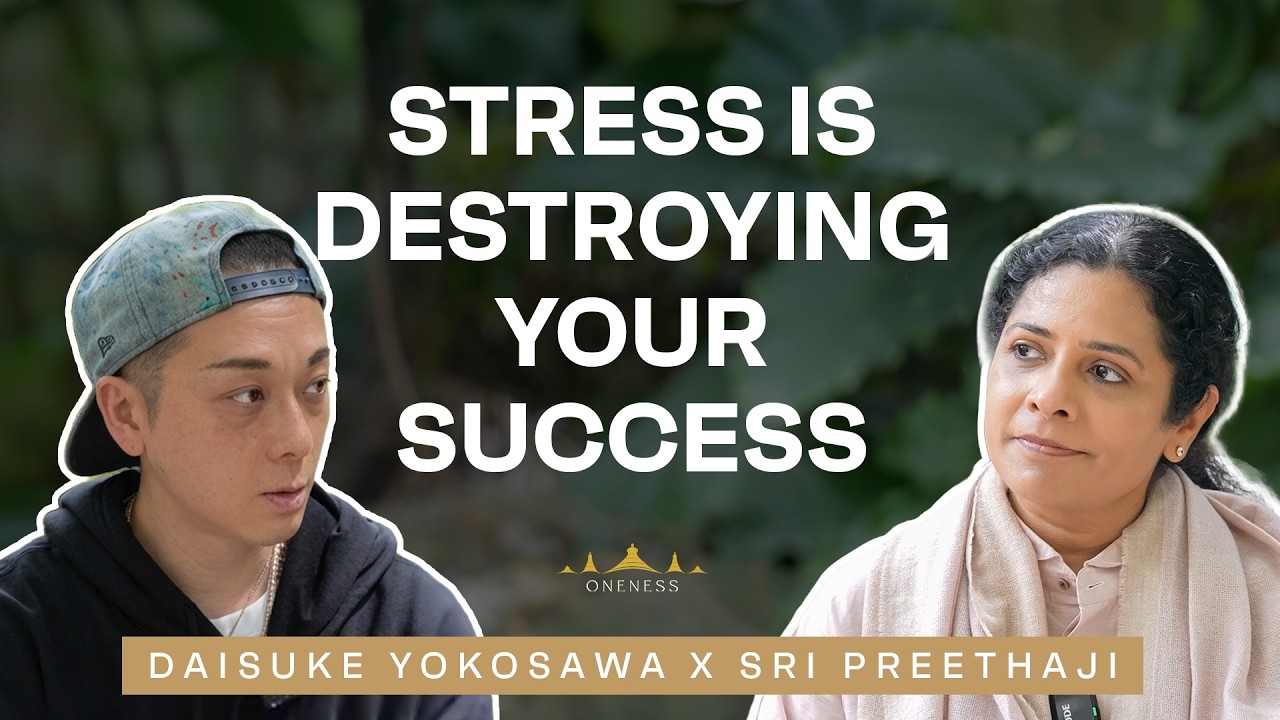
Conscious leadership moves beyond strategy to center the inner state of the leader—specifically, the capacity to remain calm and clear under pressure. When a leader operates from inner clarity rather than reactivity, team dynamics shift, decision-making improves, and organizational performance follows. This approach emphasizes that true leadership transformation requires consciousness work alongside tactical skill-building.
What Is Conscious Leadership?
Conscious leadership reframes the role of the leader from a purely strategic or tactical function to one rooted in inner development and awareness. Rather than relying solely on management techniques, charisma, or competitive advantage, conscious leadership asks: What is the quality of awareness and clarity the leader brings to the room? How does the leader's inner state shape the team's capacity to think, collaborate, and execute?
This orientation recognizes that crisis, pressure, and complexity reveal the leader's state of consciousness. When external circumstances demand quick decisions, emotional regulation, and creative problem-solving, the leader who has cultivated inner calm and clarity operates from a different baseline than one caught in reactive stress.
Why Does the Leader's Inner State Matter for Team Performance?
The quality of a leader's consciousness directly influences team dynamics. Teams are sensitive to the leader's emotional state, decision patterns, and clarity of vision. A leader operating from stress, confusion, or reactivity creates conditions for fear and fragmentation within the team. Conversely, a leader who maintains calm and clear awareness creates psychological safety and coherence.
This dynamic works through several mechanisms:
- Decision clarity: A calm, centered leader makes decisions from context-awareness rather than panic. This produces decisions the team can trust and execute.
- Team resonance: When the leader embodies composure and confidence rooted in clarity, the team naturally settles and focuses. Fear and confusion don't spread through the system.
- Collaborative intelligence: Teams with a grounded leader bring their full cognitive and intuitive capacity. People are less defensive and more creative.
- Vision articulation: A clear, calm leader can articulate purpose and direction even during disruption. This gives the team a stable reference point.
How Can Leaders Develop Calm Under Pressure?
Developing the capacity to lead with calm is not a technique applied in the moment of crisis—it is an ongoing cultivation of inner stability. This requires the leader to work with their own mind and nervous system before pressure arrives.
Consciousness-based leadership practice includes:
- Inner awareness: Noticing the difference between reactive response (driven by ego, fear, habit) and conscious response (sourced from clarity, purpose, and wisdom). Over time, the leader learns to pause in the gap between stimulus and response.
- Nervous system regulation: Developing practices that anchor the leader in calm even when circumstances are volatile. This might include meditation, breathwork, body awareness, or other contemplative practices that strengthen the leader's ability to stay present.
- Clarity on values and purpose: A leader anchored in clear values and organizational purpose can return to that anchor under pressure. This prevents decisions driven by short-term fear or ego.
- Collective consciousness: Understanding that leadership is not an individual phenomenon but a field phenomenon. The leader's consciousness influences and is influenced by the collective. Developing this sensitivity allows the leader to sense and shift the team's field.
What Does Collective Consciousness in Teams Mean?
Collective consciousness in a team context refers to the shared awareness, trust, and alignment that emerges when the leader and team members are operating from clarity rather than fragmentation. This is not mystical—it is observable in how quickly teams can move, how creatively they solve problems, and how resilient they are to setbacks.
When a leader cultivates their own inner clarity and then invites the team into that clarity through transparent communication, shared purpose, and psychological safety, the team develops coherence. People are not guessing at the leader's hidden agenda or managing their anxiety. Instead, they can focus on the work.
This coherence directly enables:
- Faster decision-making because the team understands the criteria and values informing decisions
- Greater resilience because the team trusts the leader's clarity and can adapt plans without losing confidence
- Stronger collaboration because people feel seen and valued, not just instrumentalized
- Attraction of aligned talent and resources—people want to join and support organizations with clear, conscious leadership
How Does Consciousness Connect to Success and Abundance?
The principle that consciousness attracts success and abundance challenges the notion that success is purely earned through effort, strategy, and competition. Instead, it suggests that the leader's state of consciousness creates the conditions for success.
A leader operating from scarcity, fear, and disconnection makes defensive, short-term decisions. A leader operating from abundance, clarity, and connection makes decisions that build long-term value and attract resources. This is not wishful thinking—it reflects how consciousness shapes perception, choice, and action.
For example:
- A leader in scarcity mode hoards information and credit, creating siloed teams and attrition. A leader in abundance mode shares information and credit, creating momentum and loyalty.
- A leader in fear mode avoids risk and innovation. A leader in clarity mode takes intelligent risks and adapts quickly.
- A leader in disconnection mode treats people as resources. A leader in connection mode develops people, which increases retention, creativity, and performance.
Over time, these consciousness-sourced behaviors compound. The organization attracts people, customers, and partners that resonate with its clarity and values. The organization becomes known for its culture and results, which attracts further opportunity.
What Are Practical Steps for Conscious Leadership?
Conscious leadership is not abstract. It requires concrete, daily practice:
- Personal practice: Establish a contemplative practice (meditation, journaling, movement) that strengthens your capacity to observe your own mind and maintain calm. Even 10–15 minutes daily shifts your baseline awareness over weeks and months.
- Decision-making from clarity: Before major decisions, pause and ask: Am I deciding from clarity and purpose, or from fear and ego? Take time to feel into the decision. Consult your values and the organization's purpose.
- Transparent communication: Share the reasoning behind decisions, not just the decision itself. This invites the team into the leader's clarity and builds trust.
- Regular team alignment: Create rituals where the leader and team revisit shared purpose, values, and current challenges. This keeps the collective consciousness anchored even when external circumstances shift.
- Lead by example: Demonstrate calm, curiosity, and learning in your own response to setbacks and change. Teams follow the leader's example far more than the leader's words.
- Invest in team development: Offer your team opportunities to develop their own awareness and clarity. Teams with contemplative or emotional intelligence training show higher engagement and performance.
How Does This Apply in Times of Crisis or Rapid Change?
Crisis reveals the quality of leadership consciousness. When circumstances are stable and predictable, many leadership approaches work. When stakes are high and variables are uncertain, the leader's inner state becomes the primary variable.
In crisis, conscious leadership:
- Moves quickly because decisions flow from clarity, not endless analysis or fear
- Adapts fluidly because the leader is not attached to a particular outcome, but clear on purpose
- Builds trust because the team sees the leader's calm and purposefulness, not panic or blame
- Attracts collaborative problem-solving because people feel the leader's genuine concern and clarity, not self-protection
This doesn't mean the conscious leader is always right. It means the leader is grounded in their own awareness and values, communicates transparently, and invites the team into genuine problem-solving rather than hiding behind authority.
Where to Go from Here
If you recognize that your own inner state shapes your team's performance and your organization's results, the next step is commitment to your own consciousness work. This means:
- Starting or deepening a personal contemplative practice
- Seeking feedback about how your inner state affects others
- Reading or learning from teachers and practitioners who integrate consciousness and leadership
- Experimenting with transparent, values-based decision-making in low-stakes situations to build the muscle
- Building a peer circle of leaders committed to conscious development
Conscious leadership is not a destination but a direction. Each day offers the opportunity to lead from greater clarity, calm, and connection. As the leader develops, the team develops, and the organization becomes a place where human potential and business results align.