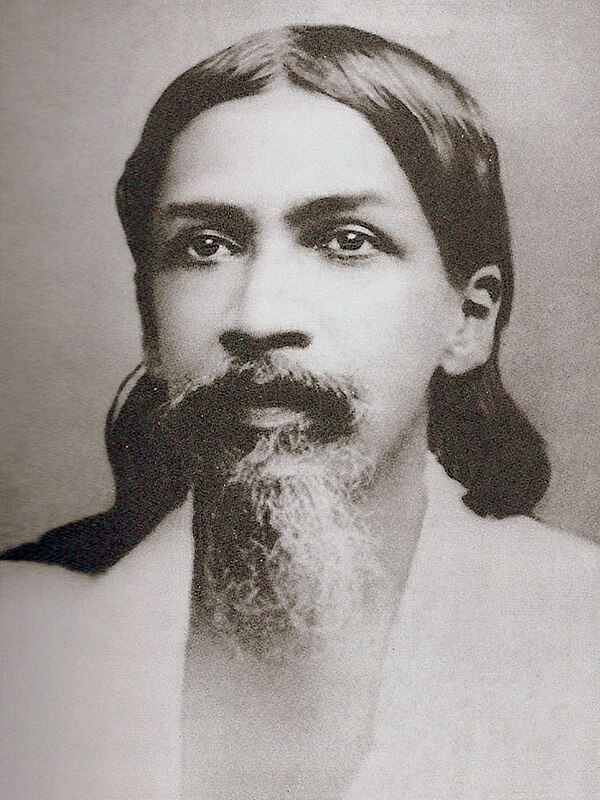
The Infinite Tapestry of Existence
Sri Aurobindo's assertion that "Existence is one in essence, infinite in possibility, infinite in becoming" invites us to contemplate the profound interconnectedness of all life. This statement suggests that while the essence of existence is unified, the manifestations of that essence are boundless and ever-evolving. Understanding this duality is crucial for navigating our lives with a sense of purpose and awareness, as it encourages us to embrace both our shared humanity and the unique paths we each tread.
In a world often characterized by division and fragmentation, Aurobindo's words serve as a reminder of the underlying unity that connects us all. The infinite possibilities inherent in existence challenge us to recognize the potential for growth and transformation within ourselves and our relationships. This perspective not only enriches our personal journeys but also fosters a deeper appreciation for the collective human experience, urging us to explore the myriad ways in which we can contribute to the unfolding of existence.
The image / the metaphor
The imagery in Aurobindo's quote evokes a sense of vastness and depth, suggesting that existence is not a static entity but a dynamic process. The phrase "one in essence" implies a fundamental unity that transcends individual differences, while "infinite in possibility" and "infinite in becoming" highlight the limitless potential for growth and transformation. The verbs chosen—"is," "infinite," and "becoming"—convey a sense of continuity and evolution, inviting us to engage with existence as an ongoing journey rather than a fixed state.
Diving deeper into the metaphor, we can see that Aurobindo is not merely speaking of existence in a philosophical sense; he is inviting us to experience life as a vibrant tapestry woven from countless threads of possibility. Each thread represents a unique expression of the divine essence, contributing to the richness of the whole. This perspective encourages us to embrace our individuality while recognizing that we are all part of a larger, interconnected reality, where each choice and action reverberates throughout the fabric of existence.
In the speaker's tradition
Situated within the rich tapestry of Hindu philosophy, Aurobindo's insights resonate with concepts such as dharma, the moral order that governs individual and collective existence. His emphasis on the infinite possibilities of being aligns with the notion of kenosis, or self-emptying, which invites us to release our attachments and embrace the flow of life. Additionally, the idea of sunyata, or emptiness, reflects the understanding that true essence transcends form, allowing for the infinite becoming that Aurobindo describes.
In "The Life Divine," Aurobindo articulates a vision of evolution that is not merely physical but also spiritual, suggesting that our journey toward self-realization is a vital aspect of existence. This aligns with the teachings found in the Bhagavad Gita, where Krishna encourages Arjuna to recognize his duty and embrace his path, illustrating the interplay between individual purpose and the greater cosmic order. Both texts emphasize the importance of understanding our role within the infinite possibilities of existence, urging us to act with awareness and intention.
Living the teaching
Consider a modern scenario where an individual faces a significant life change, such as a career transition. Aurobindo's teaching can serve as a guiding light during this uncertain time, reminding the individual that while their essence remains constant, the possibilities for growth and transformation are boundless. By embracing the idea that existence is "infinite in becoming," they can approach this transition not with fear, but with curiosity and openness, recognizing it as an opportunity for personal evolution.
In the realm of relationships, Aurobindo's insights can also be profoundly transformative. Imagine a couple navigating a challenging period in their partnership. By acknowledging that their relationship is a living entity, constantly evolving and shaped by their shared experiences, they can cultivate a deeper understanding of one another. This perspective encourages them to communicate openly and explore new ways of being together, allowing their bond to flourish in the infinite possibilities of love and connection.
A reflection
As we contemplate Aurobindo's profound statement, we are invited to reflect on our own lives and the infinite possibilities that lie before us. What does it mean for you to embrace the essence of your being while remaining open to the myriad ways in which you can evolve? Consider this question as a contemplative anchor, guiding you toward a deeper understanding of your unique journey within the vast tapestry of existence.





Join the BrightStar Community
Stay connected with daily inspiration, event announcements, and community wisdom