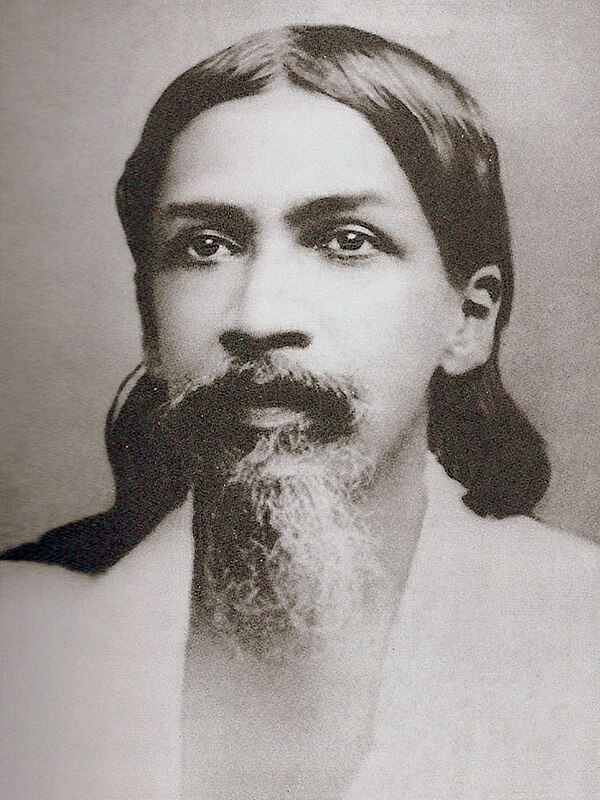
The Soul's Choice: A Journey of Self-Determination
In the profound words of Sri Aurobindo, "All depends upon a single thing: the choice of the soul." This statement encapsulates the essence of human existence, suggesting that our spiritual journey hinges upon the decisions we make at the deepest level of our being. The stakes are high; our choices shape not only our individual destinies but also the collective experience of humanity. Understanding this concept invites us to explore the nature of the soul and the power inherent in our choices.
Delving deeper, we recognize that the soul's choice is not merely a matter of preference or inclination; it is a profound act of alignment with our true nature. This choice reflects our understanding of dharma, the moral and ethical path that guides us toward our highest potential. In a world filled with distractions and external pressures, the ability to choose from a place of authenticity becomes a sacred responsibility. Aurobindo's insight urges us to cultivate awareness of our inner landscape, where the soul's voice can guide us toward fulfillment and purpose.
The image / the metaphor
At first glance, the imagery in Aurobindo's quote evokes a sense of simplicity—one single thing, the choice of the soul, holds the weight of all existence. The use of the word "depends" suggests a delicate balance, as if our lives are intricately woven into the fabric of this choice. The soul, often viewed as the essence of our being, becomes the focal point of our journey, emphasizing the importance of conscious decision-making. This metaphor invites us to consider the soul not as a passive observer but as an active participant in the unfolding of our lives.
Going deeper, we can see the metaphor of choice as a crossroads, where each decision leads us down a different path. The soul's choice is akin to a compass, guiding us through the complexities of life. It reminds us that while external circumstances may be beyond our control, our internal responses and choices remain ours to govern. This perspective empowers us, suggesting that we are not merely victims of fate but co-creators of our reality, capable of shaping our destinies through the choices we make.
In the speaker's tradition
To fully appreciate Aurobindo's insight, we must situate it within the broader context of Hindu philosophy. Concepts such as dharma and karma play crucial roles in understanding the implications of the soul's choice. Dharma refers to the ethical and moral duties that guide our actions, while karma emphasizes the consequences of those actions. Together, they underscore the significance of making choices that align with our higher purpose, suggesting that the soul's choice is not only personal but also interconnected with the greater cosmic order.
In his writings, Aurobindo often draws upon the Bhagavad Gita, a text that profoundly explores the nature of duty and choice. Arjuna's dilemma on the battlefield serves as a powerful allegory for the choices we face in life. Just as Arjuna must choose between his duty and his personal desires, we too are confronted with choices that test our commitment to our soul's path. The Gita teaches us that true fulfillment arises from aligning our choices with our higher self, echoing Aurobindo's assertion that the soul's choice is paramount.
Living the teaching
Consider a modern scenario where this teaching resonates: a professional grappling with a career decision. Faced with the choice between a lucrative job that offers prestige but lacks personal fulfillment and a modest position that aligns with their passions, the individual stands at a crossroads. The choice of the soul, in this context, becomes a guiding principle. By tuning into their inner voice and reflecting on what truly matters, they can navigate this decision with clarity, ultimately choosing a path that nourishes their spirit and contributes to their sense of purpose.
In the realm of relationships, the soul's choice manifests in how we engage with others. Imagine a friendship that has become strained due to misunderstandings. The choice to approach the situation with compassion and openness, rather than defensiveness, reflects a deeper understanding of the soul's journey. By choosing to communicate authentically and seek resolution, we honor not only our own soul but also the souls of those we interact with. This choice fosters connection and healing, illustrating the transformative power of aligning our actions with our higher selves.
A reflection
As we contemplate Aurobindo's profound assertion, we are invited to reflect on our own lives: What choices are we making that align with our soul's true purpose? In a world filled with distractions and competing demands, how can we cultivate the awareness necessary to discern the voice of our soul amidst the noise? This contemplation encourages us to engage in a deeper dialogue with ourselves, fostering a greater understanding of the choices that shape our existence.






Join the BrightStar Community
Stay connected with daily inspiration, event announcements, and community wisdom