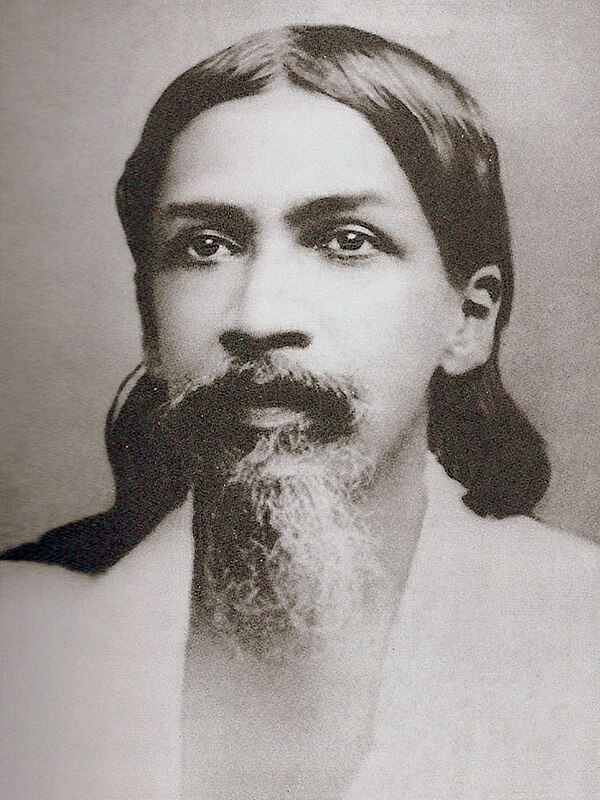
The Divine Touch: Unveiling the Power of Grace
In the profound words of Sri Aurobindo, "All can be done if the god-touch is there." This statement encapsulates the essence of divine grace and its transformative power in our lives. It suggests that the presence of a higher consciousness or divine influence can enable us to achieve what may seem impossible. Understanding this quote invites us to explore the nature of grace and the divine touch, and how they manifest in our everyday experiences, illuminating the path toward our highest potential.
To delve deeper into this notion, we must consider the implications of the "god-touch." It implies an active engagement with the divine, a relationship that transcends mere belief and enters the realm of experience. This divine interaction is not limited to extraordinary events; rather, it permeates the fabric of our daily lives, urging us to recognize the subtle yet profound ways in which grace operates. In this exploration, we uncover the invitation to cultivate a receptive heart, one that is open to the divine influences that guide and empower us.
The image / the metaphor
The phrase "god-touch" evokes a vivid imagery of divine intervention, suggesting a gentle yet powerful caress from the universe or a higher power. The use of the word "touch" implies intimacy and connection, highlighting the personal nature of this divine influence. It is not a distant or abstract concept; rather, it is an invitation to experience the sacred in the mundane. The verb "can be done" speaks to the potential inherent in each moment, reminding us that with the divine touch, obstacles can be transformed into opportunities, and limitations can be transcended.
In the speaker's tradition
Sri Aurobindo's philosophy is deeply rooted in the Hindu tradition, where concepts such as dharma, bhakti, and the divine play crucial roles. The idea of the "god-touch" resonates with the notion of bhakti, or devotion, which emphasizes surrendering to a higher power. In this context, grace is not merely a gift but a reciprocal relationship, where the seeker actively engages with the divine through love and devotion. This dynamic interplay reflects the essence of spiritual practice, where the individual’s efforts are met with divine support, enabling them to fulfill their dharma or life purpose.
Moreover, Aurobindo's work in "Savitri" illustrates the transformative journey of the soul, emphasizing the importance of divine grace in overcoming the challenges of existence. The text serves as a reminder that the divine touch is not only about personal achievement but also about the collective evolution of consciousness. In this light, the "god-touch" becomes a guiding force, urging us to align our actions with a greater purpose and to recognize the interconnectedness of all beings in the divine tapestry of life.
Living the teaching
Consider a modern scenario where an individual faces a significant challenge, such as navigating a career transition or dealing with personal loss. In such moments, the idea of the "god-touch" can serve as a source of comfort and inspiration. By inviting divine grace into their decision-making process, the individual may find clarity and strength that transcends their own capabilities. This practice of seeking the divine touch encourages a mindset of openness and receptivity, allowing them to embrace uncertainty with faith and trust in the unfolding of their journey.
In relationships, the concept of the "god-touch" can manifest as a gentle reminder to approach conflicts with compassion and understanding. When tensions arise, invoking the divine touch can transform the dynamics of interaction, fostering forgiveness and healing. By recognizing the sacredness in each person, we create space for grace to enter, allowing love and understanding to flourish. This application of the teaching emphasizes that the divine touch is not only a personal experience but also a collective one, enriching our connections with others and nurturing a sense of unity.
A reflection
As we contemplate the profound implications of Sri Aurobindo's words, we are invited to reflect on our own lives: How can we cultivate a deeper awareness of the divine touch in our daily experiences? This question encourages us to explore the ways in which we can invite grace into our actions, relationships, and challenges. By fostering a sense of receptivity and openness to the divine, we may discover the transformative power that lies within us and around us, illuminating our path toward fulfillment and purpose.






Join the BrightStar Community
Stay connected with daily inspiration, event announcements, and community wisdom