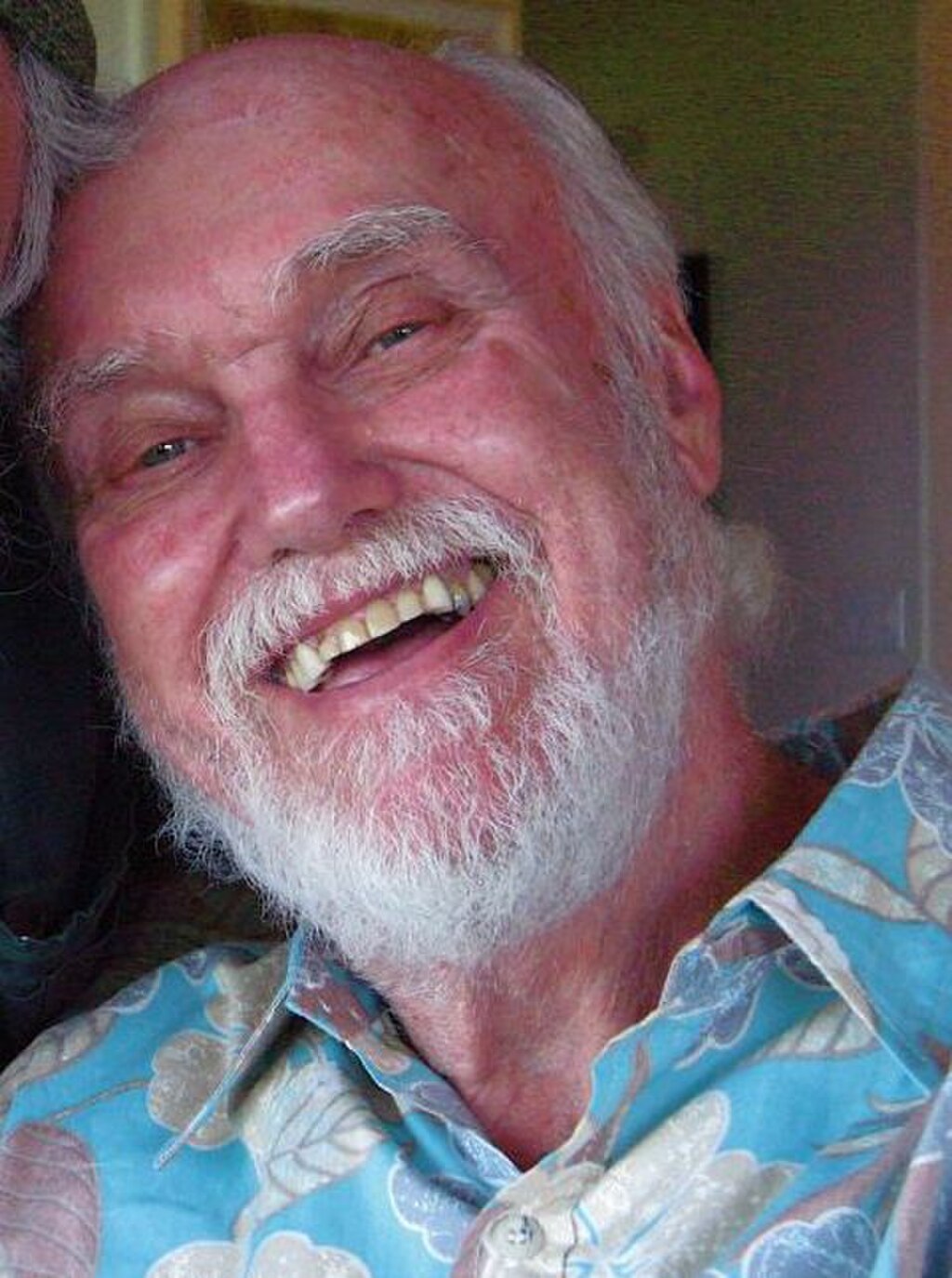
The Heart's Reluctance to Let Go
In the poignant words of Ram Dass, "We're not really afraid of dying. We're afraid of leaving what we love." This statement invites us to explore the deeper layers of our attachment to life and the relationships that define our existence. It suggests that the fear of death is often overshadowed by the heart's reluctance to part with the people, places, and experiences that bring us joy and meaning. Understanding this fear can illuminate our spiritual journey, revealing how love and attachment intertwine in the fabric of our lives.
As we navigate the complexities of existence, the notion of love becomes a double-edged sword. While it enriches our lives, it also binds us to the transient nature of the world. The fear of leaving what we love can lead to a profound sense of anxiety, as we grapple with the impermanence of all things. This fear is not merely a personal struggle; it resonates universally, prompting us to confront our attachments and the inevitable changes that life brings. In this light, Ram Dass's quote serves as a mirror, reflecting our deepest vulnerabilities and inviting us to engage with them thoughtfully.
The image / the metaphor
At its core, the quote evokes a vivid image of a heart tethered to the familiar, the cherished, and the beloved. The verbs "afraid" and "leaving" suggest a dynamic interplay between fear and loss, emphasizing the emotional weight of separation. The imagery conjures a sense of clinging, as if we are grasping at the threads of our lives, desperately trying to hold onto what we know and love. This visceral sense of attachment speaks to the human condition, where love becomes both a source of joy and a potential source of suffering.
Diving deeper into the metaphor, we can see that the fear of leaving what we love is not just about physical separation; it encompasses emotional and spiritual dimensions as well. It reflects our struggle with impermanence and the transient nature of relationships. Love, in this context, becomes a lens through which we view our mortality, illuminating the ways in which our attachments shape our identities. The metaphor invites us to consider how we might transform our fear into a deeper understanding of love's essence, encouraging us to embrace the beauty of connection while acknowledging its impermanence.
In the speaker's tradition
Ram Dass's insights are deeply rooted in the Hindu tradition, where concepts such as dharma, bhakti, and the nature of attachment play pivotal roles. Dharma, or one's duty, often involves navigating the complexities of love and attachment, urging individuals to act with compassion while recognizing the impermanence of all things. The notion of bhakti, or devotional love, further enriches this understanding, suggesting that true love transcends attachment and fear, inviting us to connect with the divine in ourselves and others.
In the Bhagavad Gita, a foundational text in Hindu philosophy, we find echoes of Ram Dass's sentiment. The Gita teaches that attachment to the fruits of our actions can lead to suffering, yet it also emphasizes the importance of love and devotion in our spiritual practice. By cultivating a sense of detachment from outcomes while remaining fully engaged in love, we can navigate the complexities of life with grace. This balance between love and detachment is a central theme in Ram Dass's teachings, inviting us to explore the depths of our connections while recognizing their ephemeral nature.
Living the teaching
Consider a modern scenario where this teaching resonates: a loved one facing a terminal illness. In such moments, the fear of losing that person can overshadow the beauty of the love shared. Family members may find themselves grappling with the impending loss, often feeling paralyzed by the thought of separation. Yet, within this painful reality lies an opportunity for profound connection, as they can choose to focus on the love that exists in the present moment rather than the fear of what is to come. This shift in perspective allows them to cherish their time together, transforming fear into a celebration of love.
Another application of this teaching can be found in the realm of relationships. Imagine a couple navigating the challenges of a long-distance relationship. The fear of separation can create anxiety and doubt, leading to feelings of insecurity. However, by embracing the love they share and recognizing that their connection transcends physical distance, they can cultivate a deeper bond. This practice of focusing on love rather than fear can transform their experience, allowing them to appreciate the richness of their relationship despite the challenges they face.
A reflection
As we contemplate Ram Dass's words, we are invited to reflect on our own attachments and the fears that accompany them. What do we hold dear, and how does our fear of losing it shape our lives? In this moment of introspection, we might ask ourselves: How can I cultivate a deeper appreciation for the love in my life while embracing the impermanence that defines our existence? This question encourages us to explore the delicate balance between attachment and love, guiding us toward a more profound understanding of our relationships and the beauty of the present moment.




Join the BrightStar Community
Stay connected with daily inspiration, event announcements, and community wisdom