The Heart of Selfless Service: Embracing Seva
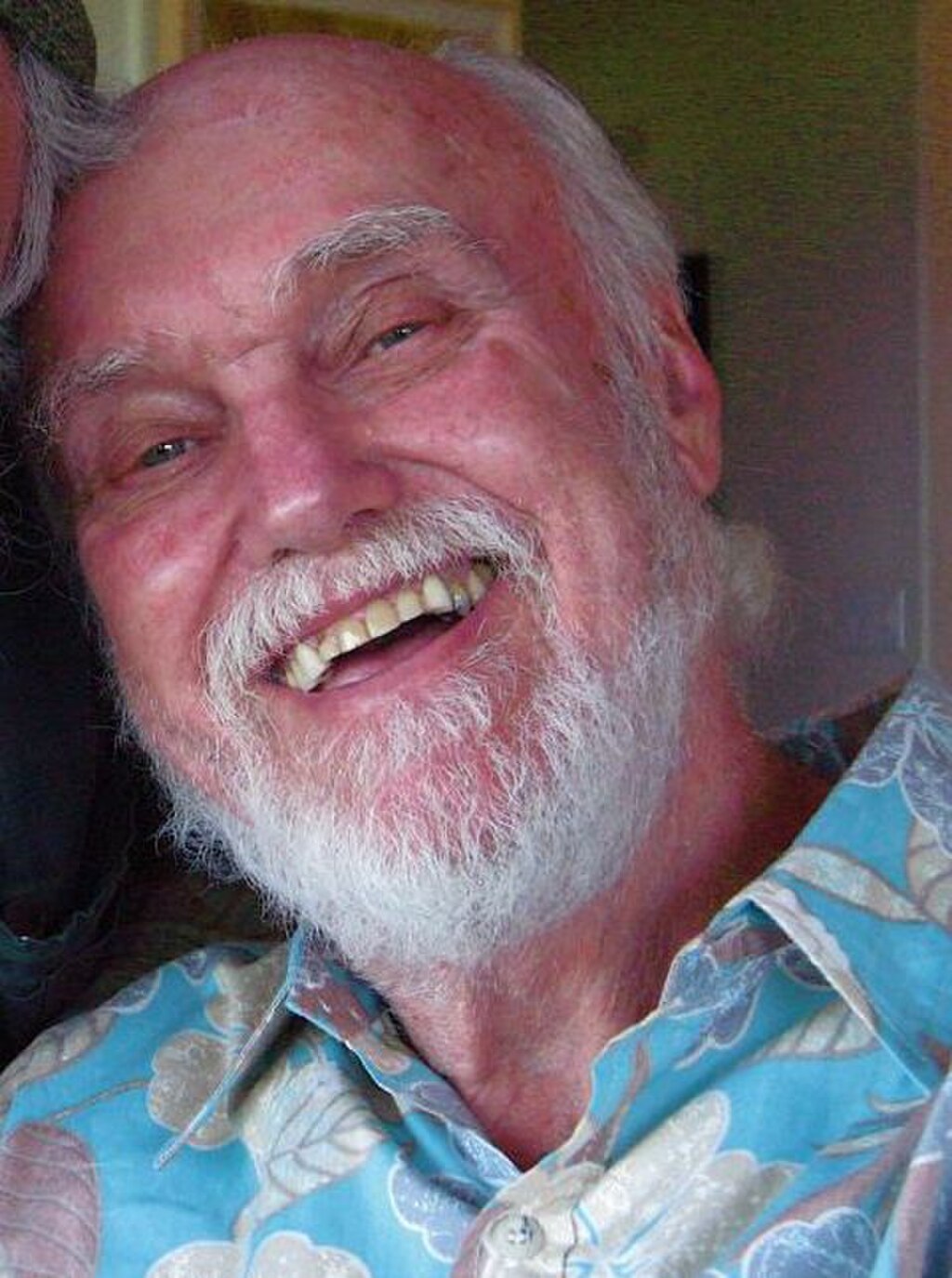
Ram Dass's poignant assertion that "Seva is service performed selflessly" invites us to explore the profound nature of service devoid of ego and expectation. In a world often driven by self-interest and transactional relationships, this quote serves as a gentle reminder of the transformative power of selfless action. It beckons us to consider how our lives might shift if we approached our interactions and contributions with pure intention, free from the desire for recognition or reward.
Delving deeper into the essence of seva, we find that it is not merely an act of giving but a way of being that transcends the self. This selflessness is not a denial of our individuality but rather an acknowledgment of our interconnectedness with all beings. The stakes are high; embracing seva can lead to profound personal transformation and a more compassionate world. It challenges us to reflect on our motivations and the impact of our actions, urging us to cultivate a spirit of generosity that enriches both the giver and the receiver.
The image / the metaphor
The imagery in Ram Dass's quote evokes a sense of purity and clarity in the act of service. The word "selflessly" suggests a release from the burdens of expectation and attachment, painting a picture of service that flows freely, like a river nourishing the land without seeking anything in return. This metaphor of a river serves to illustrate the naturalness of selfless service; it is an inherent aspect of our being that, when tapped into, can create ripples of positive change in the world around us.
Going deeper, the metaphor of seva as a river also invites us to consider the obstacles that can dam this flow—our fears, insecurities, and the societal pressures that often dictate our actions. When we engage in service with an agenda, we muddy the waters, complicating the purity of our intentions. To practice seva is to cultivate a clear channel through which love and compassion can flow, reminding us that true service is an expression of our deepest selves, unencumbered by the weight of expectation.
In the speaker's tradition
Ram Dass's teachings are deeply rooted in the Hindu tradition, where the concept of seva is intertwined with the idea of dharma, or one's duty. In this context, selfless service becomes a path to realizing one's true nature and fulfilling one's role in the cosmic order. The practice of seva aligns with the principles of bhakti, or devotion, where the act of serving others is seen as a direct expression of love for the divine. This selfless devotion not only enriches our lives but also fosters a sense of unity with all beings.
In the Bhagavad Gita, a foundational text in Hindu philosophy, Krishna speaks to Arjuna about the importance of performing one's duty without attachment to the fruits of action. This teaching resonates with Ram Dass's notion of seva, as both emphasize the significance of intention over outcome. By engaging in selfless service, we align ourselves with a higher purpose, transcending the ego and cultivating a deeper connection to the divine and to one another.
Living the teaching
Consider a modern scenario where the teaching of seva might manifest: a community volunteer program aimed at supporting the homeless. In this setting, individuals come together to provide meals, clothing, and companionship without seeking accolades or recognition. The act of serving becomes a shared experience, fostering a sense of community and belonging. Here, the participants embody the essence of seva, as their actions stem from a genuine desire to uplift others, creating a ripple effect of compassion and kindness.
Another application of this teaching can be found within personal relationships, particularly during moments of conflict or misunderstanding. Imagine a situation where a friend is struggling emotionally; instead of approaching the interaction with the intent to fix or advise, one might simply offer a listening ear and a compassionate heart. This selfless presence can create a safe space for healing, demonstrating that sometimes the most profound service we can offer is simply to be there for someone else, free from the need to control the outcome.
A reflection
As we contemplate Ram Dass's insight into the nature of seva, we are invited to reflect on our own motivations for service. What drives us to help others? Are we seeking validation, or can we embrace the act of giving as an end in itself? In this spirit, consider this contemplative question: How might your life change if you approached every act of service with a heart free from expectation, allowing the essence of seva to flow through you?




Join the BrightStar Community
Stay connected with daily inspiration, event announcements, and community wisdom