The Heart of Surrender: Embracing Divine Will in Love
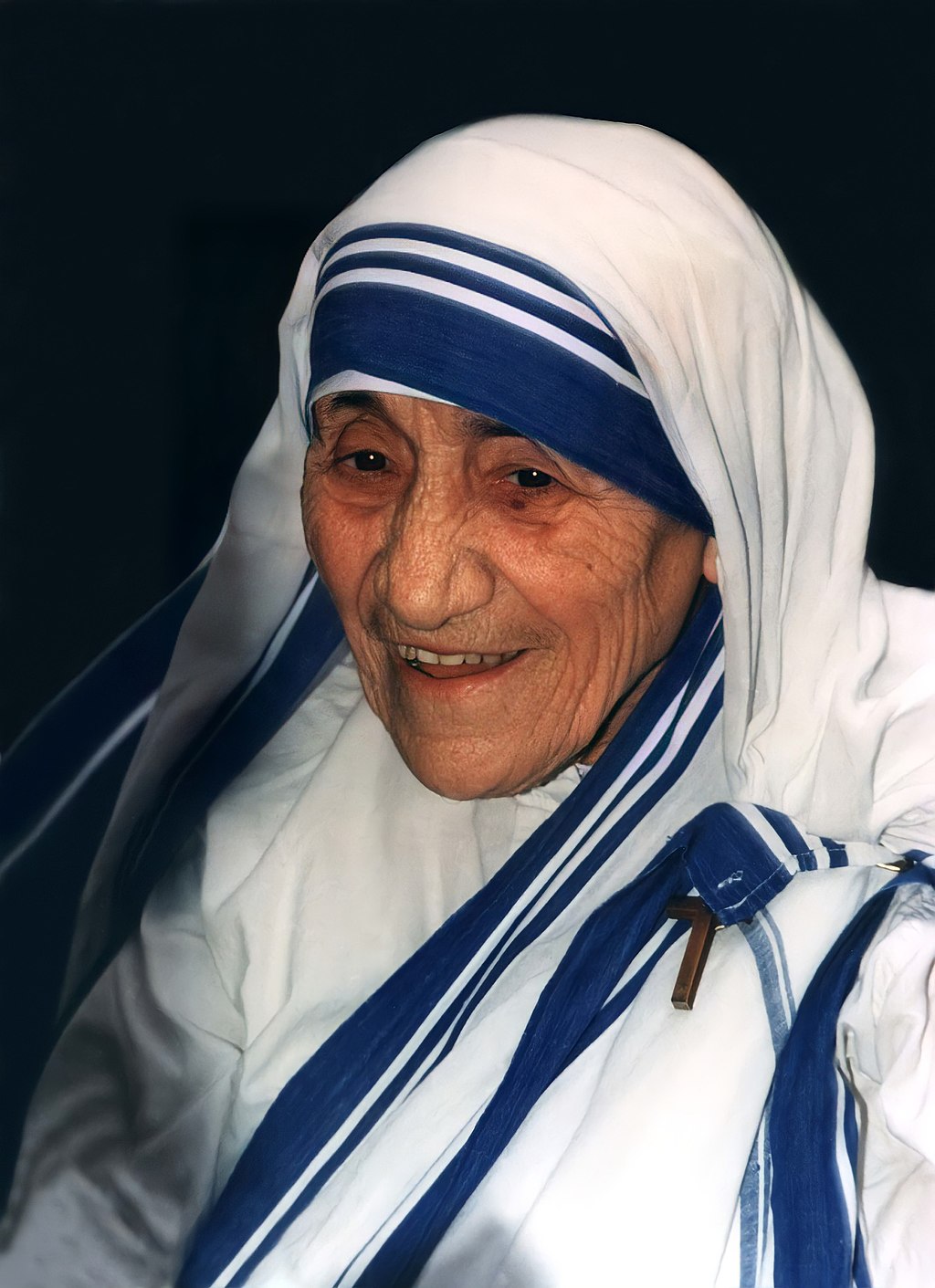
Mother Teresa's assertion that "true love is voluntary submission to the will of God" invites us to reconsider the nature of love itself. In a world often characterized by self-interest and conditional affection, this profound statement challenges us to explore love as an act of surrender rather than mere emotion. It beckons us to reflect on the deeper dimensions of our relationships, urging us to align our desires with a higher purpose. This exploration is not merely an intellectual exercise; it has the potential to transform our understanding of love and its role in our lives.
At its core, this quote speaks to the essence of what it means to love authentically. It suggests that love is not a transaction or a possession but a conscious choice to yield oneself to something greater than oneself. This voluntary submission is not about losing one's identity or autonomy; rather, it is about finding freedom in surrendering to the divine will. In this light, love becomes a pathway to spiritual growth, inviting us to transcend our ego and embrace a more profound connection with the divine and with others.
The image / the metaphor
The imagery in Mother Teresa's quote evokes a sense of gentle yielding, a softening of the heart that allows for the flow of divine grace. The phrase "voluntary submission" suggests an active choice, a willingness to align oneself with a higher purpose. This is not a forced compliance but a heartfelt decision to embrace God's will, which can be both liberating and transformative. The verbs chosen here—"true love" and "submission"—carry weight, inviting us to consider the depth of commitment and the nature of our relationships with both God and one another.
Diving deeper into the metaphor, we can see that this submission is not a sign of weakness but a profound strength. It requires courage to let go of our personal agendas and trust in a divine plan that may be beyond our understanding. This act of surrender can be likened to the way a river flows into the ocean, losing its individual identity yet becoming part of something vast and beautiful. In this sense, true love is a dynamic interplay between the individual and the divine, where the act of submission becomes a source of strength and unity.
In the speaker's tradition
Mother Teresa's understanding of love as voluntary submission is deeply rooted in the Christian tradition, particularly in the concepts of kenosis and agape. Kenosis, derived from the Greek word for "emptying," refers to the self-emptying of one's own will in favor of God's will, as exemplified in the life of Christ. This selfless love, or agape, is characterized by unconditional regard for others, reflecting the divine love that seeks the well-being of all. In this context, submission is not a loss of self but a fulfillment of one's true purpose in alignment with divine love.
In the New Testament, we find echoes of this teaching in Philippians 2:5-8, where Paul encourages believers to adopt the same mindset as Christ, who "humbled himself by becoming obedient to death." This passage reinforces the idea that true love involves a willingness to surrender one's own desires for the sake of a greater good. It is through this act of humility and submission that we can truly embody the love that Mother Teresa so passionately advocated for in her life and work.
Living the teaching
Consider a modern scenario where this teaching resonates: a caregiver tending to an elderly parent. In this situation, the caregiver may often feel overwhelmed, grappling with the demands of daily life while trying to provide love and support. By embracing the idea of voluntary submission to the will of God, the caregiver can find solace in their role, viewing it as a sacred calling rather than a burden. This shift in perspective allows them to approach their responsibilities with grace, recognizing that their love is not just an obligation but a profound expression of divine love in action.
Another application of this teaching can be found in romantic relationships, where the balance of power and desire often leads to conflict. When partners consciously choose to submit to the will of God, they open themselves to a deeper understanding of love that transcends personal desires. This might manifest as a willingness to forgive, to listen, or to support each other's growth, even when it requires personal sacrifice. In these moments, love becomes a shared journey toward a higher purpose, fostering a bond that is rooted in mutual respect and divine alignment.
A reflection
As we contemplate Mother Teresa's profound insight, we might ask ourselves: How can I practice voluntary submission to the will of God in my own life? This question invites us to reflect on the areas where we cling to our own desires or resist the flow of divine guidance. By exploring this inquiry, we can begin to uncover the transformative power of love that arises from surrender, allowing us to deepen our connections with ourselves, others, and the divine.




Join the BrightStar Community
Stay connected with daily inspiration, event announcements, and community wisdom