EveryEvent ATX

Browse All Events

Live Music Capital of the World

events

Concerts & Live Music
Festivals
Sports & Recreation
Food & Drink
Arts & Culture
Community
Family & Kids
Nightlife
Comedy
Theater
Popular Destinations
BaliSedonaLos AngelesCosta RicaNew YorkSan FranciscoAustinMiamiJoshua TreeTulum
View All CategoriesView All Destinations

Explore All Features

Powerful tools to grow your events

Platform Features

Smart Dynamic Pricing
Ticket Categories
Assigned Seating
Abandoned Cart Recovery
Visitor Recovery
Donations & Sliding Scale
Affiliate Engine
Ticket Scanner
Coupon Codes
Custom Questions
Ticket Sharing
Upsells & Add-ons
Analytics & Reporting
Email Sequences
Waitlist / Notify / Remind
Explore
Discovery HubArtists & PerformersVenuesKnowledge Base
View All FeaturesAbout Us
PricingBlog
Language
Saved events
Browse All Events

events

Concerts & Live MusicFestivalsSports & RecreationFood & DrinkArts & CultureCommunityFamily & KidsNightlife

Popular Destinations

BaliSedonaLos AngelesCosta RicaNew YorkSan Francisco

Explore

Discovery HubArtists & PerformersVenuesKnowledge Base

Platform Features

Smart Dynamic PricingTicket CategoriesAssigned SeatingAbandoned Cart RecoveryVisitor RecoveryDonations & Sliding ScaleAffiliate EngineTicket ScannerCoupon CodesCustom QuestionsTicket SharingUpsells & Add-onsAnalytics & ReportingEmail SequencesWaitlist / Notify / Remind
View All FeaturesAbout Us
PricingBlog
Log inSign UpEvent Organizers
  • Browse All Events
  • Concerts & Live Music
  • Festivals
  • Sports & Recreation
  • Food & Drink
  • Arts & Culture
  • Community
  • Family & Kids
  • Nightlife
  • All Categories →
  • San Antonio
  • Hill Country
  • Fredericksburg
  • Houston
  • Dallas
  • All Destinations →
  • For Promoters
  • For Artists
  • For Venues
  • For Festivals
  • For Event Spaces
  • For Nonprofits
  • For Bloggers
  • For Speakers
  • Brand Ambassador
  • Case Studies
  • 350K+ Buyer Network
  • Abandoned Cart Recovery
  • Smart Dynamic Pricing
  • Ticket Categories
  • Recurring Events
  • Assigned Seating
  • Affiliate Engine
  • Waitlist / Notify
  • Ticket Scanner
  • Embed Widget
  • Event Syndication
  • Message Center
  • Integrations
  • Reports
  • All Features →
  • About
  • The Ecosystem
  • Blog
  • Glossary
  • Inspiration
  • Help Center
  • Contact
  • API Docs
  • Brand Assets
  • Careers
  • Press
  • Terms of Service
  • Privacy Policy

Events

  • Browse All Events
  • Concerts & Live Music
  • Festivals
  • Sports & Recreation
  • Food & Drink
  • Arts & Culture
  • Community
  • Family & Kids
  • Nightlife
  • All Categories →

Getaways

  • San Antonio
  • Hill Country
  • Fredericksburg
  • Houston
  • Dallas
  • All Destinations →

For Organizers

  • For Promoters
  • For Artists
  • For Venues
  • For Festivals
  • For Event Spaces
  • For Nonprofits
  • For Bloggers
  • For Speakers
  • Brand Ambassador
  • Case Studies

Features

  • 350K+ Buyer Network
  • Abandoned Cart Recovery
  • Smart Dynamic Pricing
  • Ticket Categories
  • Recurring Events
  • Assigned Seating
  • Affiliate Engine
  • Waitlist / Notify
  • Ticket Scanner
  • Embed Widget
  • Event Syndication
  • Message Center
  • Integrations
  • Reports
  • All Features →

Company

  • About
  • The Ecosystem
  • Blog
  • Glossary
  • Inspiration
  • Help Center
  • Contact
  • API Docs
  • Brand Assets
  • Careers
  • Press
  • Terms of Service
  • Privacy Policy
EveryEvent
© 2026 EveryEvent Austin. All rights reserved.
Inspiration

Poland's Name Origin: APlayful Look at Etymology

Ram Dass
Ram Dass
May 31, 2022
4 min read
Watch · 5

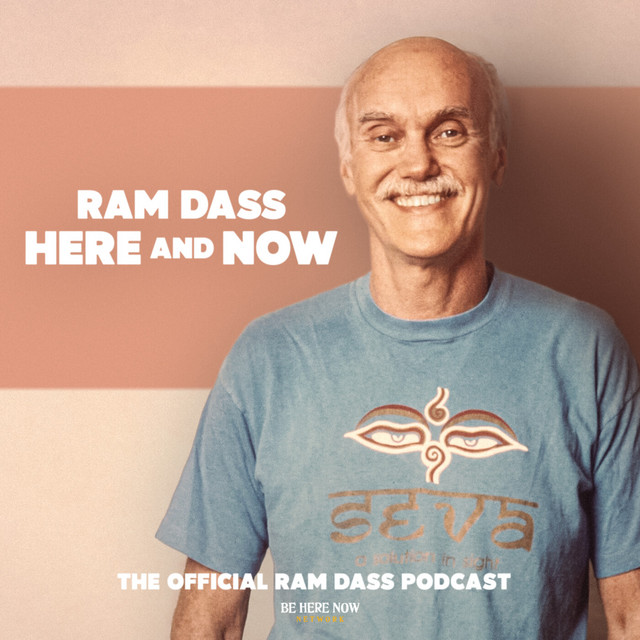
During a 2022 tour in Warsaw, Poland, Ram Dass offers a playful observation about the origin of Poland's name, noting the presence of literal poles (wooden structures) and making a humorous pun about how the country came to be called "pole land"—a lighthearted take on etymology that blends observation with wordplay.

Read · 5 sections

What Does the Word "Poland" Actually Mean?

The question of how Poland got its name touches on both linguistic history and contemporary observation. Ram Dass, speaking from Warsaw during a 2022 tour, takes a notably irreverent approach to this question, bypassing the academic explanation entirely in favor of immediate, tangible observation. Rather than invoking centuries of Slavic etymology or historical records, he points directly at his surroundings: poles. Wooden poles, metal poles, structural poles scattered throughout the cityscape. The joke, of course, is that if you have one pole, it's "pole," and if you have many poles, you have a "bunch of poles"—and therefore, you have "pole land," or Poland.

How Does Wordplay Reveal Cultural Perspective?

Ram Dass's interpretation is fundamentally a pun, but it serves a purpose beyond mere humor. By insisting on the literal over the historical, he demonstrates a consciousness practice that many spiritual teachers employ: the direct perception of what is actually present. Rather than intellectualizing about the Slavic root "pol" (meaning field) or the historical significance of the Poles as a people, he grounds the answer in sensory experience—what you can see and point to right now. This approach mirrors contemplative traditions that privilege immediate observation over inherited concepts. The joke becomes a teaching tool, inviting listeners to notice how much of what we "know" about the world comes from abstraction and naming rather than direct encounter.

What Is the Historical Context Behind Poland's Name?

While Ram Dass's explanation is comedic, the actual etymology of "Poland" derives from the Polans, a West Slavic tribe whose name may come from the Proto-Slavic word "pole," meaning field—a reference to the flat, agricultural landscape of the region. The country's official name in Polish is "Rzeczpospolita Polska," or Polish Republic. However, Ram Dass's playful deflection of this historical framework points to something worth considering: how names accumulate layers of meaning through time, and how we can become so accustomed to them that we forget to see what's actually in front of us. His observation—that Warsaw and Poland are full of literal poles—is true enough, and the humor lies in the collision between the abstract (the name of a nation) and the concrete (a wooden structure standing upright).

Why Would a Spiritual Teacher Make This Kind of Joke?

Ram Dass has long been known for integrating humor, spontaneity, and direct observation into his teaching. This brief exchange, captured during a tour stop in Warsaw, exemplifies his approach: rather than delivering a formal lecture on Polish history, he notices his environment and uses immediate perception to make a point. The joke is not mean-spirited; it's an invitation to play with language and to see how meaning is constructed. In spiritual practice, particularly within the Bhakti and non-dual traditions that have influenced Ram Dass's work, there is often an emphasis on breaking through conceptual frameworks to touch what is real. A pun about poles and Poland, delivered with warmth and lightness, can serve that function.

Where to Go From Here

If this brief exchange sparks your curiosity about language, naming, and how we construct meaning, consider exploring the intersection of linguistics and contemplative practice. Ask yourself: How much of the world do I know through direct perception, and how much through inherited names and concepts? The next time you encounter a word whose origin seems obscure or abstract, try Ram Dass's approach—look around. What is literally present? What does the simplest, most direct observation reveal? In this way, a joke about Poland becomes an invitation to wake up to the world as it actually is, before we layer it with history, theory, and abstraction.

Transcript

[0:01] i'm now

[0:02] on tour in warsaw poland

[0:06] look

[0:06] there's a pole

[0:08] and there's a pole

[0:10] and there are a bunch of poles

[0:13] that's why they call it pole land

Ram Dass
AuthorRam Dass

American spiritual teacher, formerly Harvard psychology professor Richard Alpert. After meeting his guru Neem Karoli Baba (Maharaj-ji) in India in 1967, he returned as Ram Dass and…

View profileWebsite
Explore Topics
Wordplay-languageDirect-observationEtymologySpiritual-humorPerception

Got Questions?

Frequently Asked Questions

Poland's name derives from the Polans, a West Slavic tribe whose name likely comes from the Proto-Slavic word 'pole,' meaning field. However, Ram Dass offers a humorous alternative explanation based on the literal poles (wooden structures) visible throughout Warsaw and Poland.
Ram Dass used wordplay to illustrate a spiritual principle: the value of direct observation over abstract knowledge. By pointing to literal poles and calling the country 'pole land,' he invited viewers to notice how meaning is constructed and to appreciate immediate perception.
Yes. The joke mirrors contemplative traditions that prioritize what is actually present over inherited concepts. It's an invitation to see through abstraction and to ground understanding in sensory experience rather than naming alone.
'Rzeczpospolita Polska' is Poland's official name in Polish, translating to 'Polish Republic.' It carries centuries of historical and political meaning, in contrast to Ram Dass's playful, literal interpretation.
Ram Dass integrates humor and spontaneity into his teaching to break through conceptual frameworks and reveal what is real. A pun about poles is not just comedy—it's an invitation to wake up to direct experience.

Continue Reading

More from Ram

View All
Stories as Medicine: How Compassion Heals Division and Builds Connection
Featured

Stories as Medicine: How Compassion Heals Division and Builds Connection

In this profound exploration of human connection, renowned spiritual teacher Jack Kornfield reveals how stories serve as medicine for our di…

1 min read
Walking the Tightrope: How to Serve Both Heaven and Earth Without Losing Your Balance
Featured

Walking the Tightrope: How to Serve Both Heaven and Earth Without Losing Your Balance

Ram Dass reveals the spiritual challenge of our time: staying connected to divine consciousness while remaining present to human suffering a…

1 min read
Free Will and Consciousness: Buddhist Psychology and Agency
Featured

Free Will and Consciousness: Buddhist Psychology and Agency

Br. Phap Linh explores how Buddhist psychology reveals the mechanics of perception, consciousness, and human agency—showing that free will i…

1 min read
Reclaiming Awe and Wonder by Quieting Mental Commentary
Featured

Reclaiming Awe and Wonder by Quieting Mental Commentary

Discover how releasing the mind's constant commentary can restore the childlike sense of awe and wonder you once naturally experienced.…

1 min read

Keep exploring

Continue your journey

More wisdom and gatherings from across the BrightStar directory.

More Articles

Browse the full library of teachings, interviews, and guides.

Back to all articles →

Teachers & Artists

Explore the lineages, musicians, and guides of the conscious world.

Explore artists →

Find an Event

Kirtan, retreats, sound baths, breathwork, festivals — happening soon.

Browse events →