EveryEvent ATX

Browse All Events

Live Music Capital of the World

events

Concerts & Live Music
Festivals
Sports & Recreation
Food & Drink
Arts & Culture
Community
Family & Kids
Nightlife
Comedy
Theater
Popular Destinations
BaliSedonaLos AngelesCosta RicaNew YorkSan FranciscoAustinMiamiJoshua TreeTulum
View All CategoriesView All Destinations

Explore All Features

Powerful tools to grow your events

Platform Features

Smart Dynamic Pricing
Ticket Categories
Assigned Seating
Abandoned Cart Recovery
Visitor Recovery
Donations & Sliding Scale
Affiliate Engine
Ticket Scanner
Coupon Codes
Custom Questions
Ticket Sharing
Upsells & Add-ons
Analytics & Reporting
Email Sequences
Waitlist / Notify / Remind
Explore
Discovery HubArtists & PerformersVenuesKnowledge Base
View All FeaturesAbout Us
PricingBlog
Browse All Events

events

Concerts & Live MusicFestivalsSports & RecreationFood & DrinkArts & CultureCommunityFamily & KidsNightlife

Popular Destinations

BaliSedonaLos AngelesCosta RicaNew YorkSan Francisco

Explore

Discovery HubArtists & PerformersVenuesKnowledge Base

Platform Features

Smart Dynamic PricingTicket CategoriesAssigned SeatingAbandoned Cart RecoveryVisitor RecoveryDonations & Sliding ScaleAffiliate EngineTicket ScannerCoupon CodesCustom QuestionsTicket SharingUpsells & Add-onsAnalytics & ReportingEmail SequencesWaitlist / Notify / Remind
View All FeaturesAbout Us
PricingBlog
Log inSign UpEvent Organizers
  • Browse All Events
  • Concerts & Live Music
  • Festivals
  • Sports & Recreation
  • Food & Drink
  • Arts & Culture
  • Community
  • Family & Kids
  • Nightlife
  • All Categories →
  • San Antonio
  • Hill Country
  • Fredericksburg
  • Houston
  • Dallas
  • All Destinations →
  • For Promoters
  • For Artists
  • For Venues
  • For Festivals
  • For Event Spaces
  • For Nonprofits
  • For Bloggers
  • For Speakers
  • Brand Ambassador
  • Case Studies
  • 350K+ Buyer Network
  • Abandoned Cart Recovery
  • Smart Dynamic Pricing
  • Ticket Categories
  • Recurring Events
  • Assigned Seating
  • Affiliate Engine
  • Waitlist / Notify
  • Ticket Scanner
  • Embed Widget
  • Event Syndication
  • Message Center
  • Integrations
  • Reports
  • All Features →
  • About
  • The Ecosystem
  • Blog
  • Glossary
  • Inspiration
  • Help Center
  • Contact
  • API Docs
  • Brand Assets
  • Careers
  • Press
  • Terms of Service
  • Privacy Policy

Events

  • Browse All Events
  • Concerts & Live Music
  • Festivals
  • Sports & Recreation
  • Food & Drink
  • Arts & Culture
  • Community
  • Family & Kids
  • Nightlife
  • All Categories →

Getaways

  • San Antonio
  • Hill Country
  • Fredericksburg
  • Houston
  • Dallas
  • All Destinations →

For Organizers

  • For Promoters
  • For Artists
  • For Venues
  • For Festivals
  • For Event Spaces
  • For Nonprofits
  • For Bloggers
  • For Speakers
  • Brand Ambassador
  • Case Studies

Features

  • 350K+ Buyer Network
  • Abandoned Cart Recovery
  • Smart Dynamic Pricing
  • Ticket Categories
  • Recurring Events
  • Assigned Seating
  • Affiliate Engine
  • Waitlist / Notify
  • Ticket Scanner
  • Embed Widget
  • Event Syndication
  • Message Center
  • Integrations
  • Reports
  • All Features →

Company

  • About
  • The Ecosystem
  • Blog
  • Glossary
  • Inspiration
  • Help Center
  • Contact
  • API Docs
  • Brand Assets
  • Careers
  • Press
  • Terms of Service
  • Privacy Policy
EveryEvent
© 2026 EveryEvent Austin. All rights reserved.
Inspiration

Irritation as Presence Alarm:Recognizing Loss of Now

Eckhart Tolle
Eckhart Tolle
Dec 24, 2025
5 min read

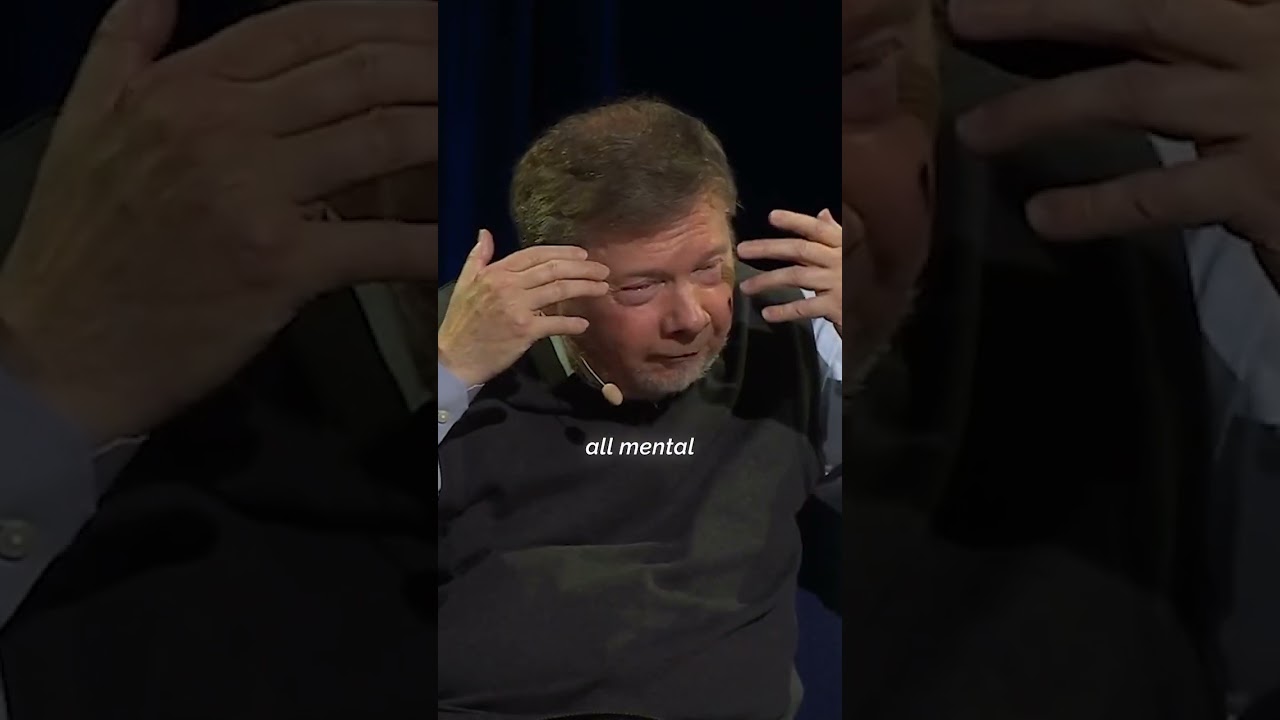
TLDR: Any irritation or upset serves as an alarm clock signaling that presence—connection to the present moment—has been lost. The teaching is elegantly simple: the moment you become aware of the irritation itself, you are already in the process of returning to presence. This inverts the usual relationship with negative emotion, transforming frustration into a precise feedback mechanism for spiritual practice.

Read · 6 sections

What Does Irritation Really Signal?

In the framework Eckhart Tolle presents, irritation and upset are not random neurological events or character flaws. They function as a specific kind of alarm—a signal that your consciousness has drifted away from the present moment. When you feel annoyed, frustrated, or mildly upset, you are not actually responding to what is happening right now; you are trapped in a narrative, a judgment, or a mental construction about what is happening or what might happen.

The key insight is that this irritation does not arise in the present moment itself. Present-moment experience, when truly inhabited, is fundamentally free of the friction that generates upset. Irritation requires a gap between what is and what you believe should be, or a story about what something means. That gap is always mental—it exists in thought, not in direct sensory experience of now.

Why Irritation Is an Opportunity, Not a Failure

Most spiritual or self-help frameworks treat irritation as something to eliminate or transcend. Tolle's teaching reframes it as functional information. The irritation is doing its job: it is alerting you that presence has slipped. This is valuable feedback. Rather than being ashamed of the irritation or trying to suppress it, you can use it as a pointer.

The moment you notice the irritation—the instant you become aware that you are upset—something shifts. You have already begun returning. The act of noticing creates a small gap between the reactive mind and awareness itself. That noticing is the return to presence. You do not need to fix the irritation, solve the problem, or understand why it arose. The simple act of becoming aware that you are irritated is itself the mechanism of return.

The Immediate Return to Now

What makes this teaching so practical is its immediacy. You do not have to meditate for an hour, recite affirmations, or process your emotions in therapy to use irritation as a doorway. The moment of noticing is the moment of return. This is why Tolle calls it an alarm clock: like an alarm that wakes you from sleep, the irritation wakes you from the sleep of unconscious thought patterns and habitual mind.

In that moment of noticing, you have stepped out of identification with the thought. You are no longer the irritated one; you are the awareness that observes irritation arising. That shift in perspective is the return to presence. The irritation may still be there, but you are no longer trapped inside it. You are here, now, aware of the irritation rather than lost in it.

How Presence Differs From Emotional State

A common misunderstanding is that presence means feeling calm, peaceful, or content. Tolle's teaching suggests otherwise. Presence is not a particular emotional state; it is a quality of awareness. You can be present and still feel irritated. The difference is that the irritation is no longer accompanied by the narrative, the blame, the rumination, or the sense that things should be different than they are.

When you are present to irritation, it is felt as pure sensation and impulse—information about a reaction—not as a story about you, about others, or about the situation. This distinction is crucial. It explains why noticing the irritation actually changes something, even before circumstances change.

The Mechanics of the Automatic Return

Tolle implies that this return is almost automatic. It does not require willpower, special technique, or years of training. The human consciousness seems structured so that the moment awareness touches something—in this case, the experience of irritation—the trance of identification with that thing loosens. This is why he says the moment you notice it, you are already returning.

This suggests that presence is not something you have to build or achieve. It is your natural state. Absence of presence (being lost in thought and reaction) is what requires effort—it requires that you not notice, that you remain identified with the story. The moment you notice, the effort collapses. You slip back into presence almost without doing anything.

Where to Go From Here

The practice this teaching suggests is simple: use irritation as a wake-up bell. Rather than suppressing it, judging it, or trying to understand it, pause and notice it. Notice that you are irritated. Feel the sensation in the body. Observe the thoughts without believing them. This moment of noticing is the entire practice. Over time, the interval between being lost in reaction and noticing the loss becomes shorter. Presence becomes more continuous, not because you are trying harder, but because the alarm clock is working—and you are learning to hear it.

Eckhart Tolle
AuthorEckhart Tolle

German-born spiritual teacher whose 1997 book The Power of Now became one of the most widely read spiritual works of the 21st century. After a profound transformation at 29 — movin…

View profileWebsite
Explore Topics
PresenceNow-momentIrritationAwarenessEmotional-reactivity

Got Questions?

Frequently Asked Questions

Irritation and upset are direct signals that presence has been lost. When you feel annoyed, frustrated, or emotionally reactive, your consciousness has drifted into thought and narrative rather than direct experience of what is. The irritation itself is the signal.
Simply notice that you are irritated. The act of noticing—becoming aware that you are upset—is itself the return to presence. You do not need to fix it, understand it, or change your circumstances. The awareness itself is the practice.
No. Presence does not eliminate emotions; it changes your relationship to them. When you are present to irritation, you experience it as pure sensation and information rather than as a story or judgment. The difference is that you are no longer lost in the reaction.
Irritation functions like an alarm that wakes you from sleep. Just as an alarm jolts you awake, irritation jolts you back to awareness that you have drifted into unconscious reactivity. The moment you hear the alarm, you are already waking up.
Yes. Rather than treating irritation as a failure or something to suppress, you can use it as immediate feedback that presence has slipped. Each time you notice the irritation, you have a direct opportunity to return to now. Over time, this shortens the gap between losing presence and noticing the loss.
Being irritated means you are identified with the reaction—lost in the story, judgment, or complaint. Noticing irritation means awareness has stepped back; you are observing the reaction rather than being consumed by it. That shift in perspective is the return to presence.

Continue Reading

More from Eckhart

View All
God Beyond the Sky: Rethinking Divine Nature
Featured

God Beyond the Sky: Rethinking Divine Nature

God is not an external judge deciding human suffering. Suffering itself becomes the mechanism through which consciousness awakens to itself.…

1 min read
God, Suffering, and the One Life Across Traditions
Featured

God, Suffering, and the One Life Across Traditions

Eckhart Tolle explores how Islam, Buddhism, and Greek philosophy all point to the same ultimate reality—and why the problem of suffering dis…

1 min read
Why Humanity Cannot Sit in Silence: Disconnection from Being
Featured

Why Humanity Cannot Sit in Silence: Disconnection from Being

The root of human conflict lies in disconnection from the being dimension—the inability to find peace when alone. When disconnected from bei…

1 min read
Who You Really Are Beyond Surface Identity
Featured

Who You Really Are Beyond Surface Identity

You are not your body, name, or conditioned mind. Eckhart Tolle reveals the distinction between surface identity and deeper being.…

1 min read

Keep exploring

Continue your journey

More wisdom and gatherings from across the BrightStar directory.

More Articles

Browse the full library of teachings, interviews, and guides.

Back to all articles →

Teachers & Artists

Explore the lineages, musicians, and guides of the conscious world.

Explore artists →

Find an Event

Kirtan, retreats, sound baths, breathwork, festivals — happening soon.

Browse events →
Read more from BrightStarCreate Free Account
Host your own gatherings?Try the Demo