EveryEvent ATX

Browse All Events

Live Music Capital of the World

events

Concerts & Live Music
Festivals
Sports & Recreation
Food & Drink
Arts & Culture
Community
Family & Kids
Nightlife
Comedy
Theater
Popular Destinations
BaliSedonaLos AngelesCosta RicaNew YorkSan FranciscoAustinMiamiJoshua TreeTulum
View All CategoriesView All Destinations

Explore All Features

Powerful tools to grow your events

Platform Features

Smart Dynamic Pricing
Ticket Categories
Assigned Seating
Abandoned Cart Recovery
Visitor Recovery
Donations & Sliding Scale
Affiliate Engine
Ticket Scanner
Coupon Codes
Custom Questions
Ticket Sharing
Upsells & Add-ons
Analytics & Reporting
Email Sequences
Waitlist / Notify / Remind
Explore
Discovery HubArtists & PerformersVenuesKnowledge Base
View All FeaturesAbout Us
PricingBlog
Browse All Events

events

Concerts & Live MusicFestivalsSports & RecreationFood & DrinkArts & CultureCommunityFamily & KidsNightlife

Popular Destinations

BaliSedonaLos AngelesCosta RicaNew YorkSan Francisco

Explore

Discovery HubArtists & PerformersVenuesKnowledge Base

Platform Features

Smart Dynamic PricingTicket CategoriesAssigned SeatingAbandoned Cart RecoveryVisitor RecoveryDonations & Sliding ScaleAffiliate EngineTicket ScannerCoupon CodesCustom QuestionsTicket SharingUpsells & Add-onsAnalytics & ReportingEmail SequencesWaitlist / Notify / Remind
View All FeaturesAbout Us
PricingBlog
Log inSign UpEvent Organizers
  • Browse All Events
  • Concerts & Live Music
  • Festivals
  • Sports & Recreation
  • Food & Drink
  • Arts & Culture
  • Community
  • Family & Kids
  • Nightlife
  • All Categories →
  • San Antonio
  • Hill Country
  • Fredericksburg
  • Houston
  • Dallas
  • All Destinations →
  • For Promoters
  • For Artists
  • For Venues
  • For Festivals
  • For Event Spaces
  • For Nonprofits
  • For Bloggers
  • For Speakers
  • Brand Ambassador
  • Case Studies
  • 350K+ Buyer Network
  • Abandoned Cart Recovery
  • Smart Dynamic Pricing
  • Ticket Categories
  • Recurring Events
  • Assigned Seating
  • Affiliate Engine
  • Waitlist / Notify
  • Ticket Scanner
  • Embed Widget
  • Event Syndication
  • Message Center
  • Integrations
  • Reports
  • All Features →
  • About
  • The Ecosystem
  • Blog
  • Glossary
  • Inspiration
  • Help Center
  • Contact
  • API Docs
  • Brand Assets
  • Careers
  • Press
  • Terms of Service
  • Privacy Policy

Events

  • Browse All Events
  • Concerts & Live Music
  • Festivals
  • Sports & Recreation
  • Food & Drink
  • Arts & Culture
  • Community
  • Family & Kids
  • Nightlife
  • All Categories →

Getaways

  • San Antonio
  • Hill Country
  • Fredericksburg
  • Houston
  • Dallas
  • All Destinations →

For Organizers

  • For Promoters
  • For Artists
  • For Venues
  • For Festivals
  • For Event Spaces
  • For Nonprofits
  • For Bloggers
  • For Speakers
  • Brand Ambassador
  • Case Studies

Features

  • 350K+ Buyer Network
  • Abandoned Cart Recovery
  • Smart Dynamic Pricing
  • Ticket Categories
  • Recurring Events
  • Assigned Seating
  • Affiliate Engine
  • Waitlist / Notify
  • Ticket Scanner
  • Embed Widget
  • Event Syndication
  • Message Center
  • Integrations
  • Reports
  • All Features →

Company

  • About
  • The Ecosystem
  • Blog
  • Glossary
  • Inspiration
  • Help Center
  • Contact
  • API Docs
  • Brand Assets
  • Careers
  • Press
  • Terms of Service
  • Privacy Policy
EveryEvent
© 2026 EveryEvent Austin. All rights reserved.
Inspiration

How Ego Forms inEarly Childhood & Identity

Eckhart Tolle
Eckhart Tolle
Dec 18, 2025
6 min read

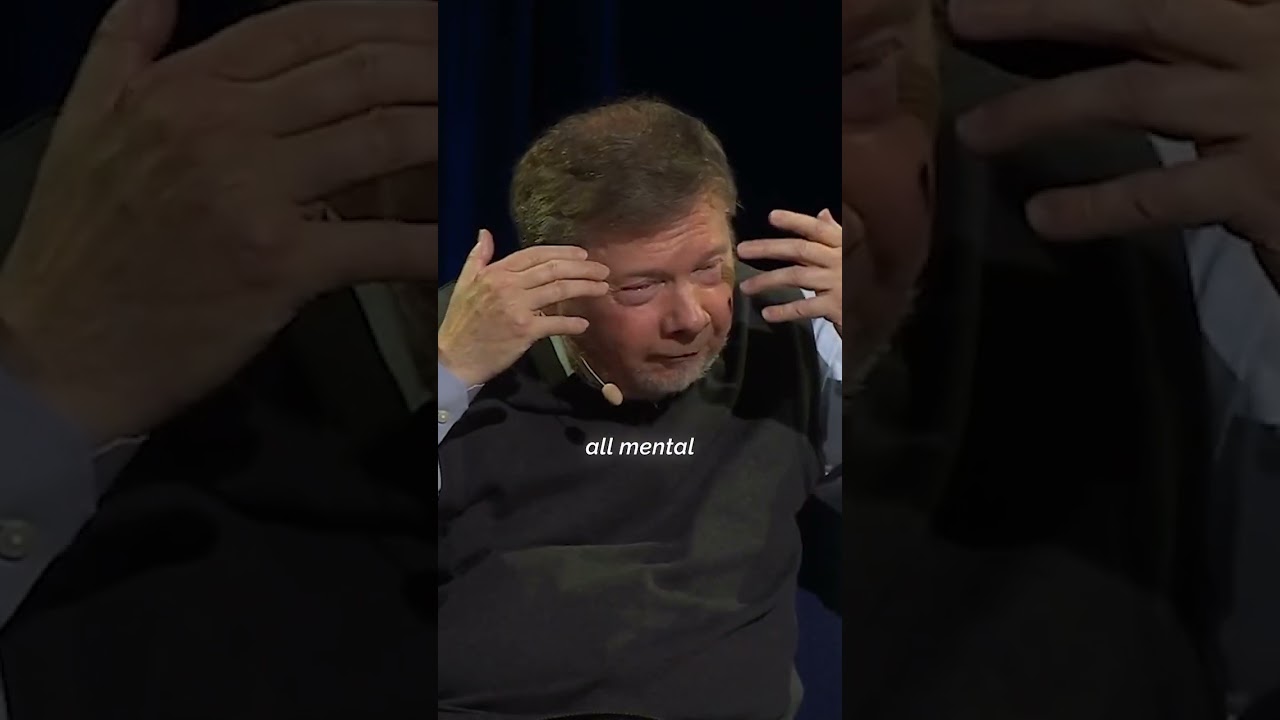
TLDR: Eckhart Tolle explains that the ego emerges innocently in early childhood through identification with a name, possessions, and social labels. Suffering does not arise from having an ego itself, but from the moment we believe these external markers—what we own, what we're called, what we achieve—define our essential nature. Awareness and disidentification from these mental constructs offer a pathway beyond ego-driven suffering.

Read · 7 sections

How Does the Ego Begin in Childhood?

According to Tolle's teaching, the ego does not arrive fully formed. It emerges gradually and almost innocently during early childhood through simple, natural processes. A child is given a name—a verbal label that society uses to identify and address them. This name becomes the first building block of the ego structure. Alongside the name comes a sense of possession: "This is my toy," "This is my body," "This is my room." These early identifications with objects and labels are harmless and developmentally appropriate.

The formation continues as the child absorbs feedback from parents, teachers, and peers. They learn which behaviors bring approval and which bring rejection. Gradually, a mental image of self consolidates—a story about who they are based on these external reflections. This mental construct becomes what Tolle calls the ego: a false or illusory identity built on conditioned responses and accumulated labels rather than on being itself.

When Does Identification Create Suffering?

The critical threshold Tolle identifies is the moment of belief. Having an ego is not inherently pathological. The suffering begins when the individual completely identifies with this constructed self and believes it is who they truly are. This is the shift from "I have a name" to "I am my name," from "I own things" to "I am defined by what I own," from "People respond to my behavior" to "I am worthy or worthless based on their judgment."

Once this identification locks in, the ego becomes defensive and anxious. It must constantly prove itself, acquire more, maintain its image, and avoid anything that threatens the story it has constructed. Any perceived criticism feels like a personal attack on the self. Any loss of status, possession, or approval triggers a sense of existential threat. The innocent childhood identifications—which were once neutral labels—become the prison of a false self fighting for survival.

What Is the Difference Between Ego and Identity?

Tolle distinguishes between having a functional identity and being enslaved by the ego. A functional identity includes a name, a role, skills, and preferences—these are useful tools for navigating the world. But these are not who you are at the deepest level. The ego, by contrast, insists that these surface markers constitute your essence. It adds emotional charge, defensiveness, and a sense of lack to these identifications.

When a child learns their name is "Sarah," that is simply data—useful for being called to dinner. But when Sarah grows up believing that she is "the shy one" or "the smart one" or "the failure" based on feedback she received, that belief has become ego identification. The label has fused with the sense of self. This fusion is where suffering originates.

How Does Awareness Offer Freedom?

Tolle teaches that awareness—the capacity to observe the mind and its identifications without being consumed by them—is the gateway out of ego-driven suffering. Awareness is not another concept to believe in; it is the simple act of noticing what is happening in consciousness right now. When you become aware that you are identifying with a thought ("I am not good enough"), that awareness itself creates space between you and the thought.

Through this awareness, you realize that the thought is not you. You are the awareness in which the thought appears. The ego is a pattern of thought and emotion that has been reinforced since childhood, but it is not your essence. When you recognize this—when you see that "my name," "my possessions," and "my story" are things you have rather than things you are—the grip of ego identification loosens.

This is not about rejecting the ego entirely or suppressing it. Rather, it is about disidentifying from it. You can use the ego's functions (language, memory, practical skills) without being enslaved by its constant need for validation. You can have preferences, goals, and a social role without fusing your sense of worth and being to these temporary, external markers.

Can You Function Without Ego Identification?

A common misconception is that freedom from ego means becoming passive, unmotivated, or non-functional in the world. Tolle's teaching suggests the opposite. When you are not constantly defending a false self, you actually have more energy and clarity available for authentic action. When you are not seeking validation through accomplishment or possession, your actions can flow from genuine presence rather than from fear and lack.

Paradoxically, the person who is not identified with being "the successful one" often accomplishes more, because they act from wholeness rather than from desperation. The person not identified with being "the clever one" thinks more clearly, because they are not filtering experience through the need to prove intelligence. The person who has disidentified from childhood stories is actually more able to adapt, learn, and respond creatively to life.

How Can Adults Work With Early Childhood Identifications?

For most adults, the childhood ego identifications are deeply embedded. Tolle points toward a gradual practice of awareness. This might include observing your emotional reactions and noticing which of your "stories" are being triggered. When you feel defensive, hurt, or urgent, these are often signs that an ego identification has been threatened. By pausing and becoming aware—"Ah, I am identified with being competent right now, and someone questioned my ability"—you create the possibility of responding differently.

This is not a one-time insight. It is an ongoing practice of recognizing when you have fused with a label or story, and gently disidentifying. Over time, as you experience that you can exist without defending these identifications, the grip loosens. The name, the possessions, the roles remain, but they are held lightly as functional tools rather than as your essence.

Where to go from here

Tolle's teaching invites a practical investigation: Notice which identifications you carry from childhood. Which labels or stories do you defend most fiercely? Where does your sense of worth feel most dependent on external validation? Begin to practice awareness—not as judgment, but as simple noticing. Observe the gap between your awareness and the thoughts and emotions arising within that awareness. This gap is where freedom lives. Over time, this disidentification from the ego's false self is not abstract philosophy; it becomes a lived experience that gradually reduces suffering and opens the possibility of authentic presence in your daily life.

Eckhart Tolle
AuthorEckhart Tolle

German-born spiritual teacher whose 1997 book The Power of Now became one of the most widely read spiritual works of the 21st century. After a profound transformation at 29 — movin…

View profileWebsite
Explore Topics
Ego-formationChildhood-identityConsciousnessSelf-awarenessSuffering

Got Questions?

Frequently Asked Questions

According to Tolle's teaching, the ego begins innocently in early childhood when a child is given a name and learns to identify with possessions and social labels. The suffering does not come from having these identifications, but from the moment the child believes these external markers define their essence rather than simply being useful labels.
When children move from "I have a toy" to "I am defined by what I own," they create an ego structure that becomes anxious and defensive. Any loss or threat to possessions then feels like a threat to their very self, triggering unnecessary suffering and the need to constantly prove and defend their worth.
Yes—Tolle distinguishes between functional identity (a name, role, skills) and ego identification (fusing your sense of self with external markers). You can use your name, skills, and social role without being enslaved by the belief that they define who you fundamentally are.
The childhood identifications that seemed innocent—labels and stories about yourself—become entrenched patterns in adulthood. When these identifications are threatened, adults experience defensive reactions, shame, or anxiety because they are protecting a false self rather than responding to actual danger.
Through awareness—noticing when you are identified with a thought or story about yourself without judgment. By recognizing the gap between your awareness and the thought ("I am aware of the thought, but I am not the thought"), you gradually loosen the grip of ego identification.
No—in fact, the opposite often occurs. When you are not desperately defending a false self, you have more energy and clarity for authentic action. You can engage with goals and relationships from wholeness rather than from fear and lack.
Tolle's teaching suggests that the goal is not to eliminate the ego, but to disidentify from it. The ego's functions—language, memory, practical planning—remain useful tools. Freedom comes from no longer fusing your sense of being with these mental and emotional patterns.

Continue Reading

More from Eckhart

View All
God Beyond the Sky: Rethinking Divine Nature
Featured

God Beyond the Sky: Rethinking Divine Nature

God is not an external judge deciding human suffering. Suffering itself becomes the mechanism through which consciousness awakens to itself.…

1 min read
God, Suffering, and the One Life Across Traditions
Featured

God, Suffering, and the One Life Across Traditions

Eckhart Tolle explores how Islam, Buddhism, and Greek philosophy all point to the same ultimate reality—and why the problem of suffering dis…

1 min read
Why Humanity Cannot Sit in Silence: Disconnection from Being
Featured

Why Humanity Cannot Sit in Silence: Disconnection from Being

The root of human conflict lies in disconnection from the being dimension—the inability to find peace when alone. When disconnected from bei…

1 min read
Who You Really Are Beyond Surface Identity
Featured

Who You Really Are Beyond Surface Identity

You are not your body, name, or conditioned mind. Eckhart Tolle reveals the distinction between surface identity and deeper being.…

1 min read

Keep exploring

Continue your journey

More wisdom and gatherings from across the BrightStar directory.

More Articles

Browse the full library of teachings, interviews, and guides.

Back to all articles →

Teachers & Artists

Explore the lineages, musicians, and guides of the conscious world.

Explore artists →

Find an Event

Kirtan, retreats, sound baths, breathwork, festivals — happening soon.

Browse events →
Read more from BrightStarCreate Free Account
Host your own gatherings?Try the Demo