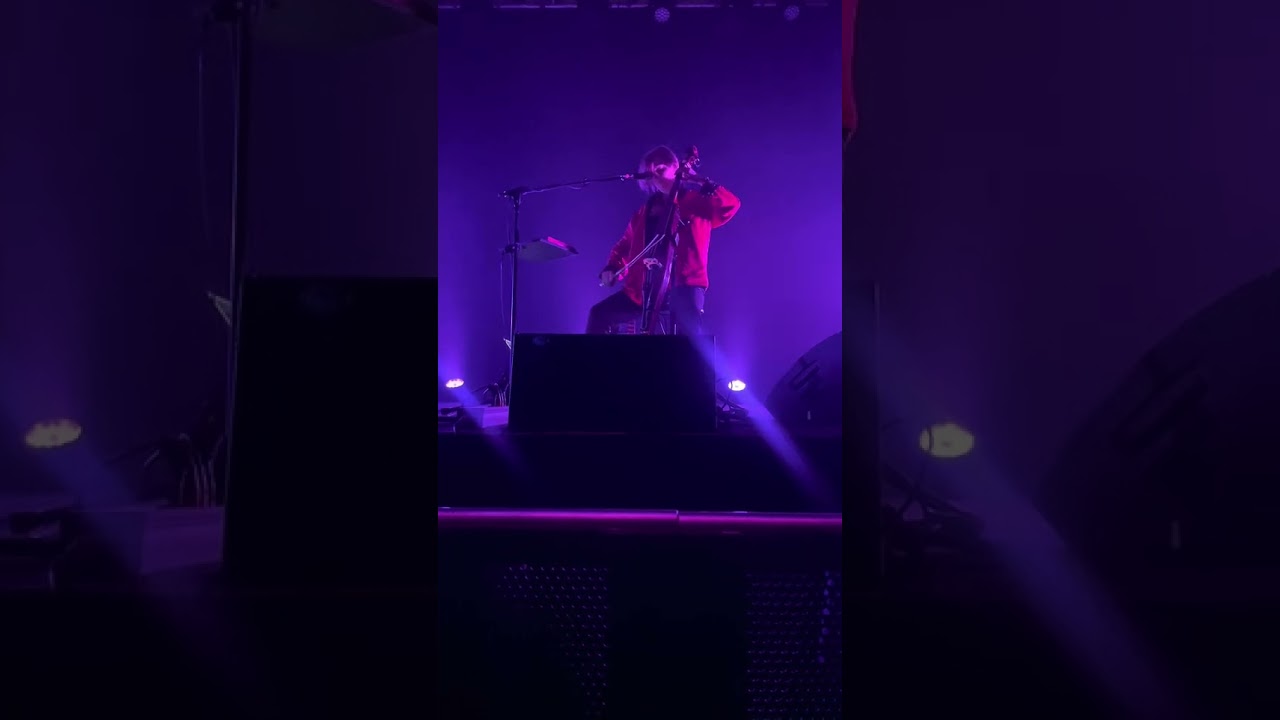
This live performance video captures Simrit singing the Guru Ram Das kirtan at San Francisco's Grace Cathedral, a sacred devotional practice rooted in Sikh spirituality. The piece features Simrit on vocals and harmonium, accompanied by cello, kora, drums, and other percussion, creating an immersive sonic environment designed to evoke spiritual connection. Kirtan is a call-and-response chanting practice in which a singer invokes a mantra or divine name, and participants are encouraged to join vocally, creating collective resonance. The Guru Ram Das mantra itself—"Guru Guru Guru Ram Das Guru"—is a foundational chant in Kundalini yoga and Sikh traditions, believed to invoke healing, grace, and spiritual protection through the blessing of the fifth Sikh Guru.
What is Kirtan and How Does It Function as Spiritual Practice?
Kirtan is a participatory devotional singing tradition, most commonly associated with Hindu and Sikh spirituality, though it has roots across South Asian contemplative cultures. In kirtan, a lead singer chants a mantra or the name of a deity, and the audience or congregation echoes or responds, creating a communal vocal meditation. Unlike a concert, where listeners are passive observers, kirtan invites active participation; the repetition of sacred words and melodic patterns is understood to have direct effects on the nervous system and consciousness.
The performance captured at Grace Cathedral exemplifies this tradition. Simrit leads the chant while the ensemble—composed of Shannon Hayden on cello and guitar, Salif Bamakora on kora (a West African harp-like instrument), Jared May on bass, and Devon Ashley on drums and percussion—provides harmonic and rhythmic support. This instrumental foundation allows the kirtan to breathe, giving participants space to join in while the sounds anchor the practice in present awareness.
Who Was Guru Ram Das and Why Is His Name Chanted?
Guru Ram Das was the fourth Guru of Sikhism, revered as a spiritual master whose teachings and life embodied service, humility, and devotion. In Sikh tradition, the Gurus are not worshipped as gods, but rather honored as enlightened guides whose presence and wisdom continue to bless sincere seekers. The chant "Guru Guru Guru Ram Das Guru" invokes his energy and grace, not as a request for an external power, but as an invocation of the spiritual wisdom and protection that his lineage represents.
In Kundalini yoga, which has popularized many traditional mantras in Western spiritual contexts, the Guru Ram Das mantra is associated with healing on all levels—physical, mental, emotional, and spiritual. The repetition is believed to align the individual's frequency with qualities of grace, healing, and divine guidance. The mantra works through sound vibration and focused intention, rewiring neural pathways and creating a direct experience of connection to something larger than the individual ego.
What Is the Sonic and Instrumental Architecture of This Performance?
The Grace Cathedral performance is not a bare vocal delivery; it is a carefully layered sonic experience. The harmonium—a keyboard instrument common in Indian classical and devotional music—provides the foundational melodic line, giving the kirtan its tonal center. The addition of cello creates warmth and resonance, with its rich, human-like voice mirroring the emotional depth of devotion. The kora, a plucked string instrument from West African tradition, introduces a different tonal palette, suggesting a cross-cultural spiritual vocabulary.
Bass and drums anchor the practice in rhythm and forward motion. Percussion is not merely decorative; it serves as a pulse that helps synchronize the nervous systems of all who hear it, a phenomenon recognized in both ethnomusicology and neuroscience. The drum's steady heartbeat creates a container within which the mantric chanting unfolds. This ensemble approach transforms the kirtan from a solitary vocal act into a full-body, multi-sensory experience of sound and presence.
How Does the Sacred Space of Grace Cathedral Influence the Practice?
Grace Cathedral, located in San Francisco, is an iconic Gothic Revival structure with centuries of devotional energy embedded in its architecture and history. While the cathedral is part of the Episcopal Church tradition, its vast interior, soaring ceilings, and acoustics create an inherently receptive space for sacred sound. The decision to perform Guru Ram Das kirtan within such a space signals a cross-denominational honoring of spiritual practice; the mantra is not limited to one religious tradition, but recognized as a universal invocation of grace and healing.
The cathedral's stone and architectural proportions mean that Simrit's voice and the ensemble's instruments naturally resonate and amplify, creating an almost architectural choir effect. The space becomes a collaborator in the sonic event. Audiences and practitioners present at Grace Cathedral would have experienced not just the musicians' intention, but the reverberant embrace of the building itself—a reminder that sacred practice has always been shaped by the environments in which it unfolds.
What Does It Mean to Invoke Guru Ram Das in Contemporary Spiritual Practice?
In modern Western spirituality, the Guru Ram Das mantra has become a bridge between traditional Sikh practice and secular wellness culture. Some approach it purely for stress relief and nervous system regulation, while others engage it as a direct spiritual invocation rooted in lineage and devotion. Both approaches coexist in a performance like this one at Grace Cathedral.
The presence of a diverse ensemble—including both traditional South Asian instruments (harmonium) and instruments from African and Western classical traditions—reflects a contemporary reality: sacred practice is no longer bound by cultural or religious boundaries. Simrit's artistry honors the authenticity of the Guru Ram Das tradition while making it accessible to an audience that may have no prior experience with Sikh spirituality or kirtan. The kirtan becomes a form of spiritual translation, where ancient wisdom is offered in a language that modern listeners can receive.
How Do Devotional Practices Like Kirtan Affect Consciousness and Nervous System?
Neuroscientific research on chanting and mantra repetition shows that rhythmic vocalization and listening activates the vagus nerve, the body's main parasympathetic pathway, which downregulates the stress response and induces a state of calm alertness. The repetition of a single mantra, when sustained over minutes, narrows the focus of attention and reduces the brain's default mode network—the system responsible for self-referential thinking and rumination.
In the context of Guru Ram Das kirtan, participants are not simply singing words; they are engaging a proven somatic technology for shifting consciousness. The communal aspect amplifies this effect; when multiple voices chant together, there is synchronization of breath, heartbeat, and brainwave patterns, creating a collective field of coherence. Simrit's leadership in this Grace Cathedral performance provides an anchor point for this collective coherence, her voice and the ensemble's rhythm inviting all present to resonate at a frequency associated with healing and grace.
Where to Go from Here
To deepen a practice begun by listening to this kirtan, seekers can explore the full Guru Ram Das mantra in its traditional context by studying Kundalini yoga resources or Sikh spiritual teachings. Attending live kirtan sessions in person amplifies the benefits described above, as the synchronization of nervous systems is most potent in shared space. Simrit's music is available on major streaming platforms, allowing for repeated listening and integration. Those called to a deeper devotional practice can investigate Kundalini yoga classes, which often incorporate this and other mantras into a comprehensive spiritual technology. The experience of this single performance—11 minutes of chanting and listening—is an entry point to a centuries-old tradition of using sound, repetition, and collective intention to access states of healing and wholeness.