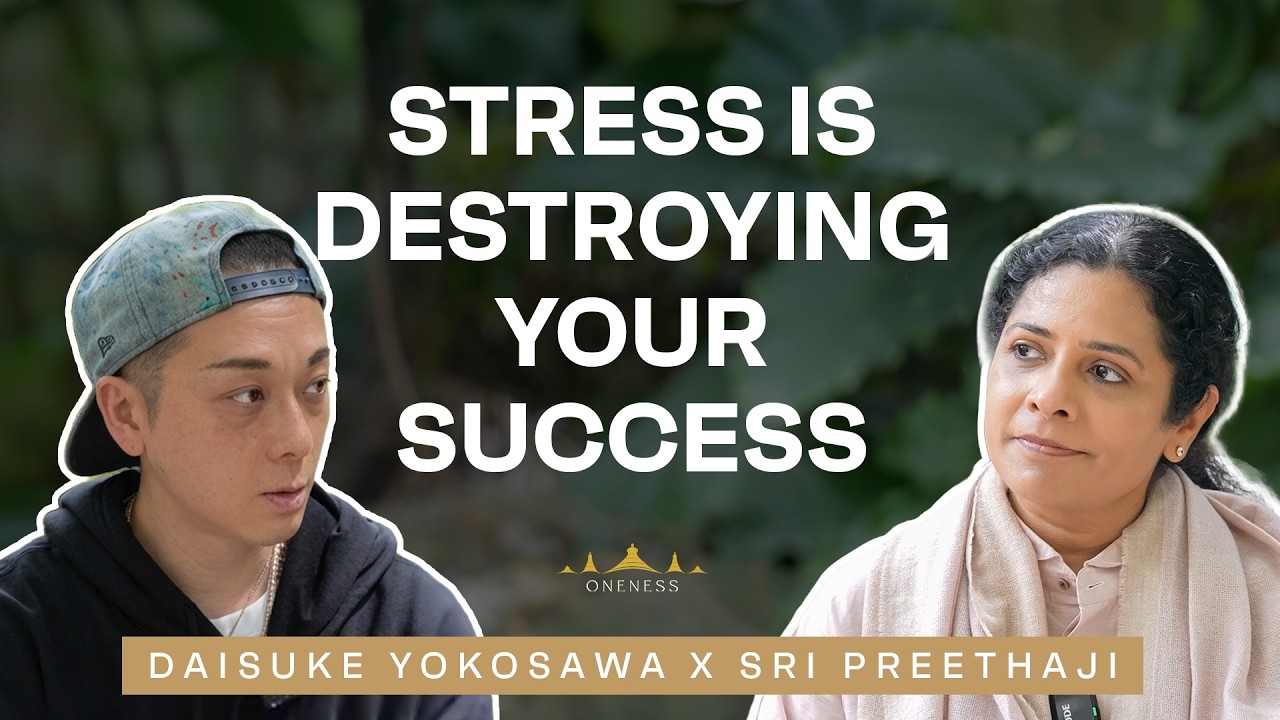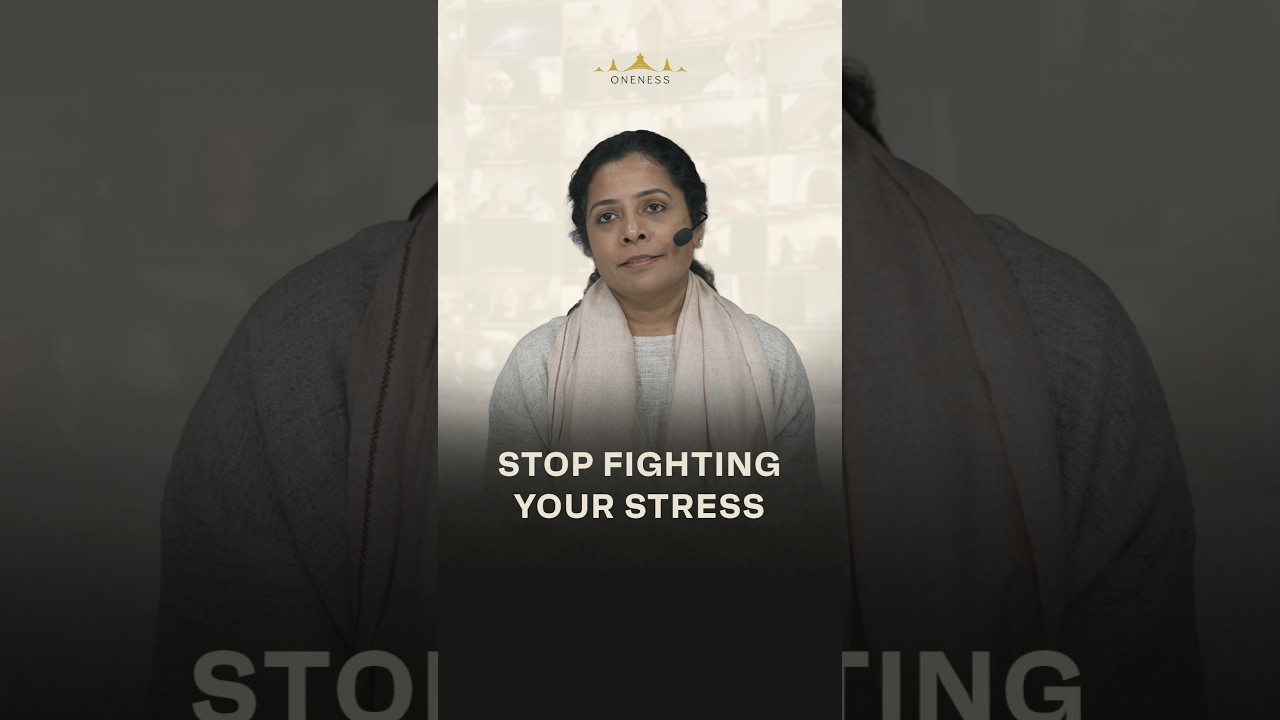
Kelly's journey through multiple healing modalities culminated in discovering a single inner tool within the Oneness framework that fundamentally shifted her ability to access calm, clarity, and resilience. Rather than treating symptoms or cycling through external remedies, this tool addressed the root of her turmoil by anchoring her to an inner state of stability she had not previously known was possible. The practice proved particularly valuable during periods of turbulence, offering a source of strength that emerged from within rather than from circumstances changing around her.
What is the Inner Tool Kelly Discovered?
While the video does not name the specific tool, the description indicates it is a singular, accessible practice from the Oneness Movement framework. Kelly's experience suggests it operates as an anchor—something that can be returned to repeatedly, regardless of external conditions. The fact that she had searched through "years of different healing paths" before finding this tool implies it differs from conventional therapy, modalities, or external interventions. Instead, it appears to be a contemplative or awareness-based practice that shifts one's relationship to stress and turbulence rather than attempting to eliminate difficult circumstances.
The power of such tools lies not in their complexity but in their accessibility. When a person can return to a practice during moments of highest turbulence and find stable ground, the practice has accomplished what months of external work may not achieve. This is consistent with approaches in non-dual traditions and consciousness-based healing, where the goal is to shift the observer's state rather than manipulate external events.
Why Didn't Previous Healing Paths Work for Kelly?
Kelly's story reflects a common pattern: someone explores multiple healing modalities—therapy, meditation, energy work, coaching—without finding the specific anchor they need. This does not mean those paths were ineffective in isolation; rather, they may have addressed surface-level symptoms without establishing a direct connection to an internal state of stability.
The Oneness Movement's approach differs by emphasizing direct access to inner states that transcend the individual's story or circumstances. Rather than processing trauma narratives or managing emotional reactions, the tool Kelly found appears to work at a level prior to thought and story. This explains why after "years" of seeking, a single tool created the breakthrough—she was finally accessing something at a different order of intervention.
How Does This Tool Help During Turbulent Times?
Kelly's experience during "turbulent times" reveals the practical value of this practice. When life becomes chaotic or overwhelming, most people's natural response is to either resist the difficulty or seek external escape. The inner tool appears to function differently: it creates an anchor point that remains stable regardless of external conditions.
This is distinct from positive thinking or affirmation-based practices. The description indicates she accessed "surprising strength"—suggesting the strength did not come from forcing a better attitude but from discovering a reservoir that was already present. The tool simply provided access to it. This is consistent with consciousness-based approaches, where turbulence is seen as a disturbance on the surface of a deeper stillness that is always available.
During difficult periods, such a tool becomes invaluable because it does not require the chaos to stop first. She did not need to resolve her turbulence before accessing calm; the calm became available within the turbulence itself. This shift in perspective often begins a cascade of breakthroughs, as the nervous system stabilizes and the mind becomes capable of clearer perception and problem-solving.
What Kind of Breakthroughs Did Kelly Experience?
The video description mentions she experienced "breakthroughs she didn't expect." This phrasing suggests the breakthroughs were not the result of goal-oriented effort but emerged organically once her inner state stabilized. When someone shifts from a state of turmoil to genuine inner clarity, the solutions and shifts that become visible often surprise them—not because they were hidden, but because from a state of stress and turbulence, those possibilities were simply invisible.
Breakthroughs in this context may include:
- Clarity about what actually matters: Stress clouds discernment. Once the mind settles, what has genuine importance and what was just noise becomes obvious.
- Shift in relationships: Inner stability radiates outward, changing how others relate to the person and often healing long-standing relational patterns.
- Health improvements: The body responds rapidly to shifts in nervous system state. Chronic tension, sleep issues, and stress-related illness often begin resolving once genuine inner calm is established.
- Capacity for resilience: With an anchor point available, future turbulence becomes navigable rather than overwhelming. Each use of the tool strengthens the neural pathways and deepens access.
How Does Oneness Define the Path from Turmoil to Transformation?
The Oneness Movement, led by Sri Preethaji and Sri Krishnaji, frames transformation not as a long process of gradual improvement but as a shift in consciousness itself. Turmoil arises when a person is identified with their circumstances, their story, their mind's interpretation of events. Transformation begins when one can access a state prior to and independent of those contents.
The word "anchor" is significant. An anchor does not prevent storms; it allows a vessel to remain stable despite them. Similarly, this inner tool does not eliminate life's difficulties but creates an internal reference point that is not dependent on those difficulties being resolved. This is particularly valuable because it means transformation does not require external circumstances to cooperate or change first.
Can This Tool Be Applied to Stress and Clarity More Broadly?
Kelly's specific journey is personal, but the mechanism she accessed is universal. The description mentions the tool's capacity to "dissolve stress and unlock clarity, healing, and inner stability." The language of dissolving (rather than managing or coping with) stress suggests the tool works at the causal level, not just the symptom level.
Stress typically arises from resistance—to what is happening, to what might happen, to how one should be different. When that resistance itself can be observed without engagement, the stress that resistance creates dissolves. Clarity then becomes available naturally, as the mind's resources are no longer consumed by the fight against reality.
Inner stability follows, because a person anchored in an inner state is no longer dependent on external validation, circumstances going their way, or other people behaving as expected. This is not indifference or detachment; it is a grounded presence that can meet life with full engagement while remaining undisturbed at the core.
Where to Go From Here
If Kelly's experience resonates, the first step is direct exploration rather than intellectual understanding. The Oneness Movement offers the Oneness Global Summit (January 23–25, 2026) as an entry point where the tool and its applications are taught and transmitted. The summit is designed to provide both the teaching and the direct experience necessary to establish the anchor Kelly found.
The value of this approach is that it does not ask you to believe the tool will work or to understand why before experiencing it. The tool's efficacy is demonstrated through use. Once accessed even briefly, the difference between that state and the habitual state of turmoil becomes unmistakable—and a person no longer needs external validation that something has shifted. They know directly.