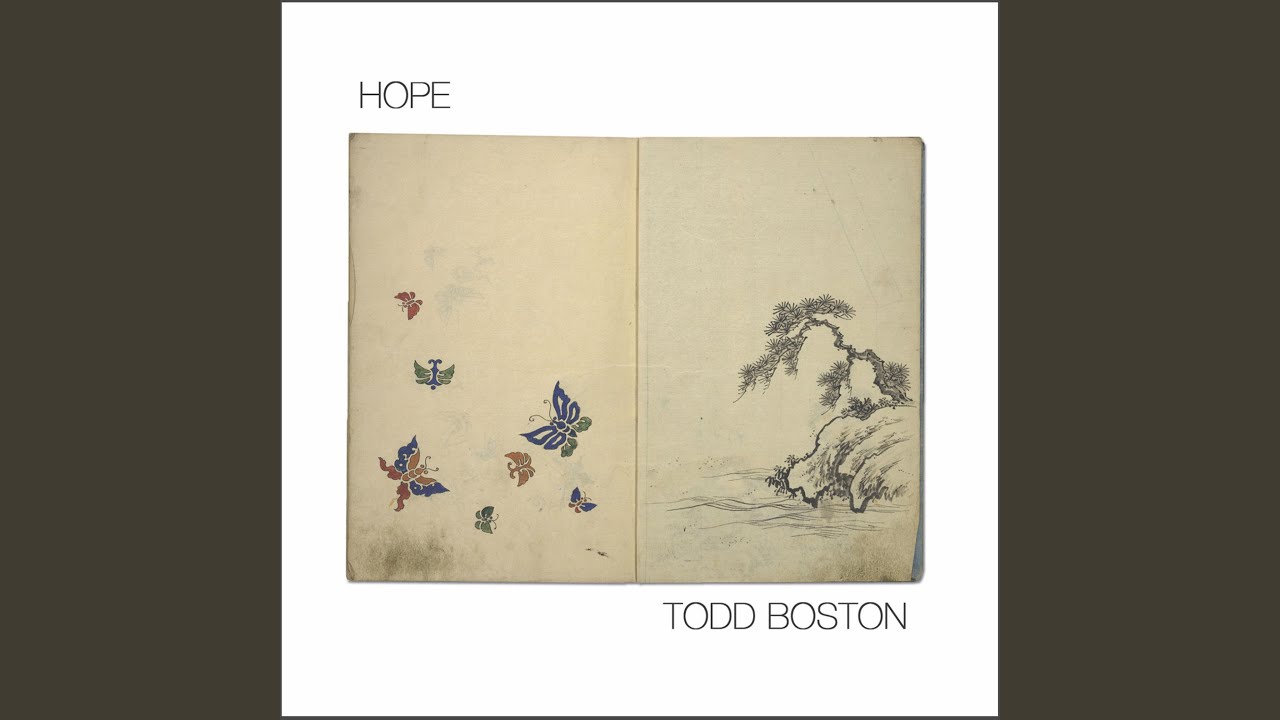
Todd Boston's piece "Angel" is a brief, contemplative exploration of angelic presence within spiritual consciousness. Released as part of the album Hope, the work invites listeners to consider the role of divine intermediaries and celestial awareness in deepening spiritual connection and cultivating hope in practice.
What Does "Angel" Mean in Spiritual Consciousness?
The concept of the angel appears across spiritual traditions as a messenger, protector, or embodiment of divine intention. In contemporary spiritual practice, the angel often represents more than religious mythology—it functions as a symbol of guidance, grace, and the presence of something beyond the ordinary material realm. Todd Boston's invocation of this theme through his musical composition suggests a recognition that many spiritual seekers encounter a sense of support or presence that cannot be easily rationalized within purely material frameworks.
Within contemplative traditions, angels are sometimes understood not as literal beings but as archetypal forces or expressions of divine consciousness itself. They represent the possibility of connection to realms of awareness beyond the ego's grasp, and they point toward the human capacity to perceive guidance that emerges from sources we do not fully control or understand.
How Does Music Facilitate Spiritual Experience?
Music serves as a direct pathway to states of consciousness that speech and intellectual analysis cannot easily access. By presenting "Angel" as a musical work rather than a teaching or lecture, Boston invites the listener into a mode of knowing that is felt rather than thought. The brevity of the piece—just over three minutes—suggests an intensity of focus rather than elaboration; it creates a container for a specific quality of attention and receptivity.
In many contemplative traditions, music and sound are considered vehicles for transmission. Sacred music is designed to align the listener's consciousness with particular frequencies, states, or spiritual realities. A piece titled "Angel" functions as both an aesthetic object and a spiritual instrument, one that might attune the listener to subtle dimensions of awareness.
What Is the Connection Between Angel and Hope?
The album on which "Angel" appears is titled Hope, and this framing is significant. Hope, in the spiritual sense, is not mere optimism or wishful thinking—it is a fundamental orientation toward meaning, possibility, and divine support. The angel archetype carries this quality: it embodies the promise that we are not abandoned, that grace moves through the world, and that intelligence greater than our own operates on our behalf.
By pairing these two concepts, Boston suggests that encounter with the divine—whether through angelic presence, grace, or unexpected support—is what sustains hope in the deeper, spiritual sense. This is distinct from hope based on circumstantial improvements; rather, it is hope rooted in the recognition of invisible help and higher intention.
How Can Listeners Approach This Piece Contemplatively?
For those new to using music as a contemplative practice, several approaches may deepen the encounter with "Angel":
- Sustained listening: Engage with the piece in a quiet, uninterrupted space. Allow the music to unfold without distraction, noting what arises internally—emotions, images, sensations, or states of awareness.
- Intention setting: Before listening, place a simple intention: "May I be open to guidance," or "May I sense divine presence." This primes the consciousness to receive rather than merely consume.
- Repetition: Short pieces like this are often designed to be revisited. Multiple listens may reveal different textures and meanings depending on one's inner state.
- Embodied attention: Notice not just the sound but how your body responds. Spiritual presence is often sensed first in the nervous system, as relaxation, opening, or subtle shifts in energy.
Why Does the Angel Archetype Persist in Spiritual Work?
Across cultures and centuries, the image of the angel—a being of light, intelligence, and benevolence—appears in the spiritual imagination of seekers. This persistence suggests that the archetype taps something real in human experience: the encounter with presence that feels other than oneself, that offers guidance or protection, that seems to operate outside the ordinary laws of cause and effect.
Whether understood literally or as a symbol of divine grace working through consciousness, the angel represents humanity's intuitive sense that we are supported, that we are not alone, and that intelligence far greater than the individual ego participates in our unfolding. In this sense, the angel is less a specific entity and more a principle: the principle that grace exists, that help is available, and that hope is not mere illusion but reflects an actual dimension of reality.
Where to Go from Here
If "Angel" resonates with you, consider exploring other works by Todd Boston that investigate similar themes of divine presence and hope. Engage in contemplative listening practices—not as a means to achieve a specific state, but as a way of creating space for grace and guidance to be recognized. Many spiritual traditions offer formal practices for connecting with or invoking angelic presence (such as prayer, mantra, or visualization), and these may deepen your personal relationship to the archetype. Finally, notice where you encounter the quality the angel represents in your own life—the unexpected help, the intuitive guidance, the presence that carries you through difficulty.