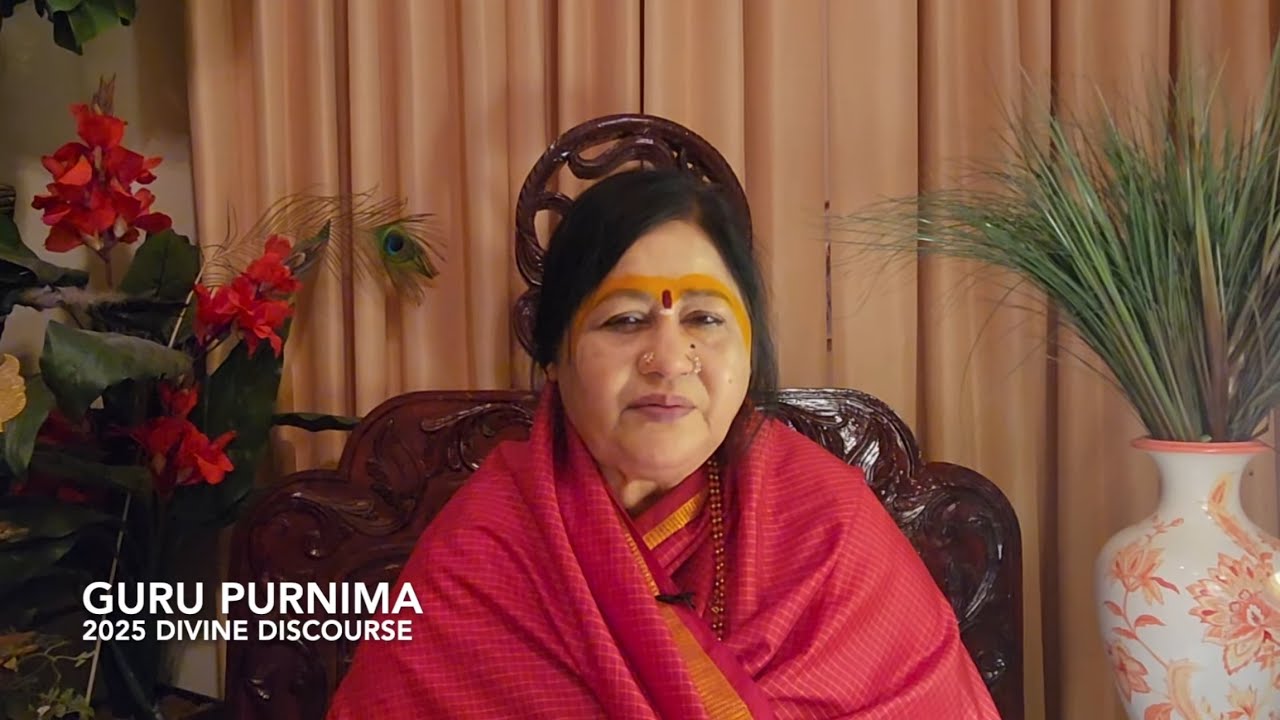
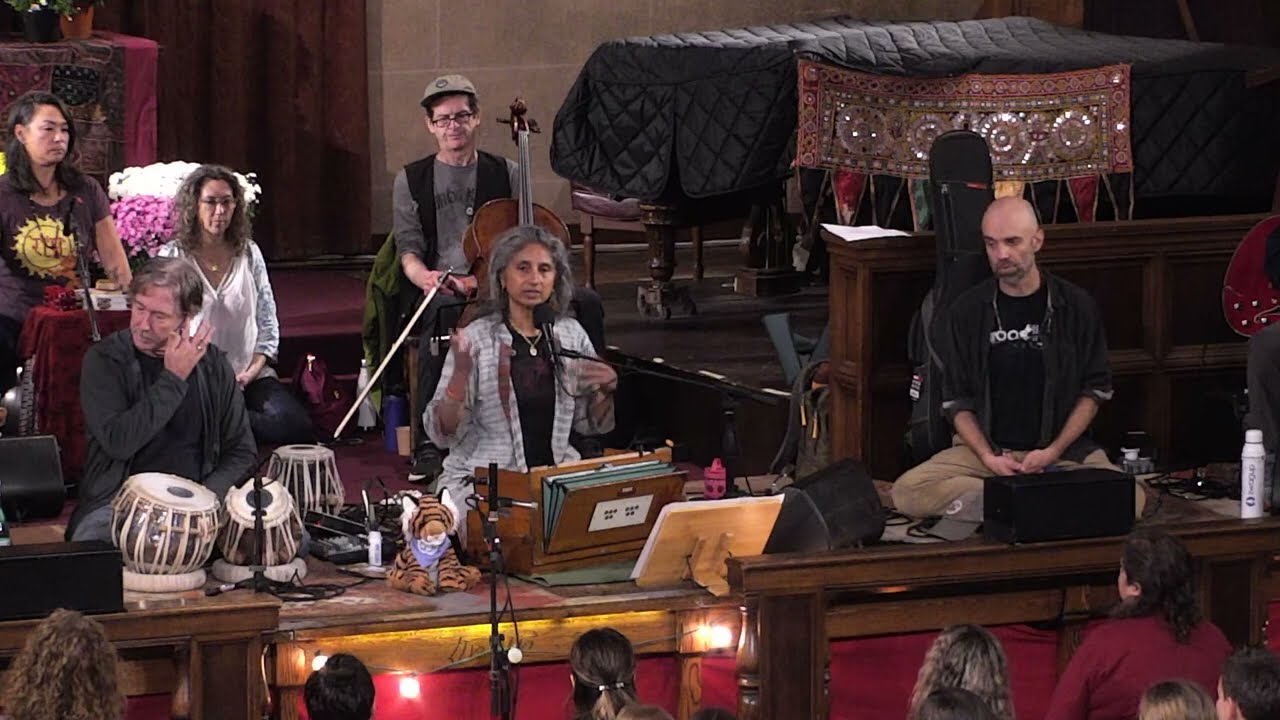
In this devotional performance, Sri Karunamayi Amma chants the sacred mantra "Shambo Shiva Shambo," calling upon Mahadev (Lord Shiva) through kirtan—a traditional Hindu devotional song form. The piece weaves together Sanskrit invocations, rhythmic percussion, and devotional melody to create a meditative experience centered on the names and attributes of Shiva, including Gangadhara (the bearer of the Ganges) and Shankara (the compassionate one).
What is Shambo Shiva Shambo?
Shambo Shiva Shambo is a devotional kirtan—a chanted prayer set to music—that honors Lord Shiva, one of the principal deities in Hinduism. The title itself is a call to Shiva using two of his names: Shambo (also spelled Shambhu) and Shiva. Sri Karunamayi's version performs this mantra as a living, breathing invocation rather than a mere recitation. Kirtan as a spiritual practice relies on the power of sacred sound (nada) to attune the practitioner's mind and heart toward the divine. In this performance, the mantra becomes a vehicle for devotional surrender and direct communion with the deity.
The practice of chanting divine names is foundational in many Hindu and yogic traditions. The repetition of names like "Shambo" and "Shiva" is understood to carry spiritual vibrations that align consciousness with the qualities associated with each name. Shiva, in Hindu cosmology, represents destruction and transformation—the force that dissolves the old to make way for renewal. He is also the great yogi, the ascetic who sits in meditation on Mount Kailash, and the compassionate god who grants boons to his devotees.
The Names of Shiva Invoked in the Song
Throughout the kirtan, Sri Karunamayi calls upon Shiva by multiple sacred names, each carrying distinct spiritual significance:
- Shambo (Shambhu): One of the most direct names of Shiva, often used in devotional contexts to invoke his blessings and presence.
- Gangadhara: The name that refers to Shiva bearing the Ganges River on his head—a reference to the myth in which Shiva caught the descending sacred river to protect the earth from destruction. This name emphasizes Shiva's role as protector and sustainer.
- Shankara: Meaning "the compassionate one" or "the auspicious one," this name highlights Shiva's benevolent aspect and his capacity to grant liberation to those who seek him.
By invoking these names in sequence, the kirtan creates a multifaceted devotional experience. The worshipper doesn't simply address Shiva in the abstract; instead, they recall his specific deeds, qualities, and cosmic roles. Each name becomes a doorway into a different aspect of the divine, allowing the devotee to encounter Shiva in his fullness.
The Role of Sound and Rhythm in Devotional Practice
Kirtan relies fundamentally on the power of sacred sound (mantra and nada) to transform consciousness. In this performance, Sri Karunamayi's voice is accompanied by musical elements—including percussion that marks time and creates a rhythmic container for the chant. The repetition of phrases like "Shambo Shiva Shambo Pdharo" (Shambo Shiva Shambo, come here) creates a hypnotic effect that draws the listener inward.
The rhythmic patterns and melodic contours serve multiple purposes. They make the mantra memorable and easier to sustain during long chanting sessions. They also engage the body through resonance—the vibrations of the chant are felt not just heard, creating a full-sensory devotional experience. In the yogic tradition, this activation of sound and vibration is understood to move subtle energy (prana) through the energy channels of the body, facilitating inner transformation.
The musical setting also acknowledges that devotion is not a purely intellectual exercise but an emotional and embodied one. By adding melody and rhythm, the performance invites the listener to feel the devotion, not merely contemplate it intellectually. This is essential to the kirtan tradition, which understands that love and surrender to the divine naturally arise when the heart is opened through music and sacred sound.
Devotion as a Spiritual Path
In Hindu philosophical frameworks, devotion (bhakti) is one of several primary paths to liberation and self-realization. Unlike the path of knowledge (jnana), which emphasizes intellectual understanding of the divine nature of reality, or the path of action (karma yoga), which emphasizes righteous deeds, bhakti focuses on love, surrender, and direct relationship with the divine. Chanting and kirtan are among the most accessible and widely practiced bhakti methods.
When Sri Karunamayi performs this kirtan, she is not merely singing a song—she is demonstrating and inviting others into a living relationship with Shiva. The repetition of "Shambo Shiva Shambo" becomes a conversation: the devotee calls, and through faith and openness, the divine responds. This call-and-response dynamic is central to kirtan practice. The mantra is the devotee's offering, their way of saying, "I remember you, I honor you, I seek your grace."
Why Shiva for Contemporary Seekers?
Shiva's relevance to contemporary spiritual seekers extends beyond historical tradition. Shiva represents several universal themes that resonate across cultures and eras. As the lord of meditation and asceticism, Shiva embodies the capacity to withdraw from the noise of the world and find peace in stillness. In an age of constant stimulation and distraction, this aspect of Shiva's nature offers profound spiritual medicine.
Furthermore, Shiva is the god of transformation and destruction—the force that tears down what is false, rigid, or outworn to make space for authentic renewal. Many contemporary seekers drawn to Shiva's worship are navigating personal or collective transformations, seeking the courage and wisdom to let go of what no longer serves them. The worship of Shiva provides a spiritual container for this deep work.
Shiva is also deeply connected to yoga and tantra—spiritual systems that embrace the body, sexuality, and the material world rather than rejecting them. This makes Shiva worship particularly relevant to modern integrative spirituality, which seeks to honor the whole of human experience as a path to awakening.
The Function of Kirtan in Spiritual Community
While this video captures Sri Karunamayi's performance, it's important to understand that kirtan is traditionally a communal practice. Devotees gather, and a lead singer (like Sri Karunamayi) calls out the mantra while the community responds, creating a living network of devotional energy. Even when experienced individually or through a recording, kirtan carries within it the memory and intention of collective practice.
The kirtan form also democratizes spiritual practice. Unlike elaborate rituals that require specialized knowledge or priestly training, anyone can chant a mantra. The power doesn't depend on perfect pronunciation or musical skill; it flows from sincere intention and open-hearted participation. This is why kirtan has become increasingly popular in modern spiritual communities, including those with no formal Hindu background. The practice offers a direct, accessible means of connecting with the sacred.
Where to Go From Here
If this kirtan resonates with you, consider exploring the living practice of chanting. You might learn the mantra "Shambo Shiva Shambo" and practice repeating it daily—during meditation, while walking, or at any time you feel drawn to invoke Shiva's presence. You could also seek out recordings of traditional kirtan artists to deepen your familiarity with the practice, or investigate the stories and mythology surrounding Shiva to better understand the context of his worship. If you're drawn to embodied practice, look for kirtan circles in your area where you can join in the communal chanting. The transformative potential of kirtan reveals itself gradually through sustained, heartfelt engagement.