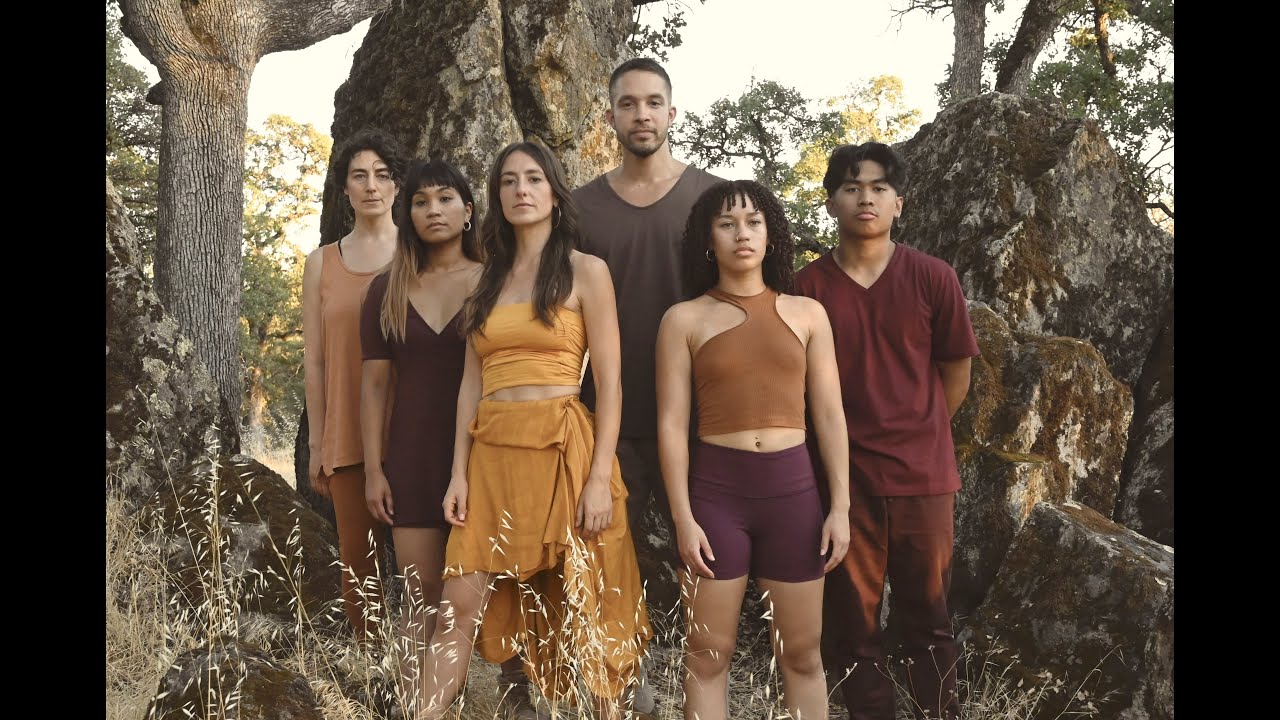
"Take It Slow" is a meditation set to music that invites listeners to release self-judgment, trust the natural pace of their unfolding, and recognize that their authentic power lies not in external performance but in embracing the unknown parts of themselves. The song teaches that slowness is not stagnation but alignment with natural rhythms, and that the darkest, most hidden aspects of the self are precisely where light originates.
What Does It Mean to "Take It Slow" in a World Demanding Speed?
The opening instruction—"take it slow, and don't get in your way"—names a paradox many face: the tendency to sabotage one's own unfolding through impatience, forced effort, and constant self-correction. Rather than treating slowness as failure, the song reframes it as alignment. "Keep it movin' at the pace of every weather" suggests that natural rhythms vary; sometimes life moves swiftly, sometimes it moves with the slowness of winter. The instruction is not to impose a fixed tempo but to notice what pace the moment actually holds and move with that, not against it.
This aligns with a contemplative understanding of non-force: the idea that effort without attunement to circumstance creates friction and burnout. "Don't get in your way" names how the self becomes its own obstacle—through perfectionism, comparison, self-doubt—when the path forward might require simply trusting and releasing.
How Does "Look Within" Differ from Self-Doubt?
The phrase "look within, and don't forget you are surrounded by the wind" holds interior and exterior in balance. Looking within is not self-scrutiny or introspection that turns inward to judge; it is a turning inward to sense, to listen, to feel the breath and presence that already surrounds you. The "wind in your lungs" is not metaphor alone—it is the actual breath, the aliveness, the unseen force that sustains and connects. Looking within means tuning to that presence, not turning away in shame or self-rejection.
The song emphasizes that this inner orientation is paired with awareness of what moves through you: wind, breath, forces larger than the small self. Interior awareness includes exterior connection.
What Is the Significance of Being "Born of the Moon"?
The refrain "you are born of the moon" invokes the moon's relationship to cycles, tides, darkness, and hidden depths. Unlike the sun, which illuminates directly and announces itself, the moon reflects light and rules the night. To be "born of the moon" is to be made of cycles, of waxing and waning, of the wisdom that lives in darkness and shadow. This is not a diminishment; it is a recognition that not all power is visible, not all wisdom is bright.
The moon is also associated with the feminine, the receptive, the intuitive—qualities often undervalued in cultures that prize the direct, aggressive, and ever-visible. Being "born of the moon" is an invitation to reclaim power in receptivity, in cycles, in the knowledge that arises in silence and in darkness.
What Does "Precious Cave" Reveal About the Unknown Self?
The metaphor shifts to "precious cave, don't forget there is unknown inside you." A cave is not empty; it contains depth, mystery, minerals, water, unseen creatures. It is dark, but it is not void. The instruction to not forget the unknown within is a correction to the impulse to know oneself completely, to achieve total self-understanding and self-mastery. The song suggests that the unknown parts—the unmapped territory, the shadow, the unspoken desires—are not problems to be solved but integral to wholeness.
To treat the self as a precious cave is to hold the self with reverence even for its unknowable dimensions. This counters the shame or fear that often surrounds the unknown within; instead, it names the unknown as precious, as valuable precisely because it has not been claimed or domesticated.
How Does Authenticity Protect Against Self-Abandonment?
The song states directly: "don't turn away from yourself by being like somebody else." This speaks to a specific form of self-loss: the substitution of authenticity with imitation. To turn away from oneself is not always obvious; it can happen quietly, through small adjustments in speech, body, desire, and presence that are made to fit others' expectations. Over time, these adjustments can accumulate into a profound loss of ground—a forgetting of one's own voice, face, and longing.
The song names this as a choice: to not turn away. It is an ethical and somatic instruction to stay present to one's own texture, even when that texture does not match the surrounding landscape. Authenticity, in this framing, is not about being boldly individual; it is about not abandoning oneself in order to belong.
What Metaphors Describe Your Hidden Power and Light?
The lyrics compress multiple metaphors: "you are tide crashing over and call of the mountains, and your darkest tunnels are where your light comes from." A tide crashing is not gentle; it is powerful, cyclical, and sometimes destructive. The "call of the mountains" is distant, resonant, drawing you upward. Together, these images describe a self that is not small or manageable but vast, turbulent, and oriented toward heights.
The crucial image follows: "your darkest tunnels are where your light comes from." This inverts the typical assumption that light is outside and darkness is to be fled. Instead, it posits that the darkest, most avoided, most suppressed parts of the self—grief, rage, shame, contradiction, desire—are the actual sources of authentic power and illumination. Light that has not passed through darkness is thin, brittle, naive. Light that emerges from the tunnels of the self has been tested, earned, integrated.
Why Does the Song Emphasize "Reaching" and "Tasting Colors"?
In the second verse, the instruction shifts slightly: "take it slow, what you long for's on its way, don't stop reaching, taste the sound of every color." Slowness does not mean passivity. To "not stop reaching" is to maintain the gesture of desire, of movement toward what calls. But this reaching is paired with sensory aliveness: "taste the sound of every color" collapses the senses into one synesthetic moment—as if longing itself becomes a taste, a flavor, a texture that can be directly experienced.
The song refuses the binary between acceptance and striving. Instead, it holds both: slow, patient, non-forced reaching; presence to the sensory reality of your own desire and movement. "Deep within, let your wild be uncaged"—this is not a call to abandon restraint but to allow the wild (the untamed, the authentic, the aliveness) to move and express itself. Uncaged does not mean chaotic; it means no longer confined by false boundaries of who you think you should be.
What Is the Relationship Between Darkness and Growth?
The refrain "aim for the journey, and grow with the night, be brave in your loving, keep steady your sight" names night not as a stage to endure but as a condition that permits growth. Night is when many things grow—roots deepen, seeds germinate, the nervous system settles. Night brings rest, reflection, and the conditions for metabolic change. To grow with the night is to align with the rhythms that nourish becoming, not the rhythms of constant visibility and performance.
"Be brave in your loving" suggests that love—whether for yourself, others, or the unfolding process—requires courage precisely because it makes you vulnerable, uncertain, exposed. Steady sight means not losing your orientation or commitment even when the path is dark, when you cannot see far ahead, when fear arises.
Where to Go From Here
Listeners drawn to this song might explore contemplative practices that deepen the body's trust in slowness: meditation, forest walking, breathwork, or journaling about the parts of yourself you habitually turn away from. The song's imagery of caves, tides, mountains, and tunnels can be returned to repeatedly, each time revealing different layers of meaning as your own life circumstance shifts. Ayla Nereo offers courses in creative voice and embodiment through her Meeting the Muse and Empowered Voice programs, both of which engage similar themes of authenticity, creative liberation, and inner listening. The song itself can be used as a mantra or anchor during moments when you feel rushed, self-doubting, or disconnected from your own aliveness.