Continue the Journey
Trainings & Classes



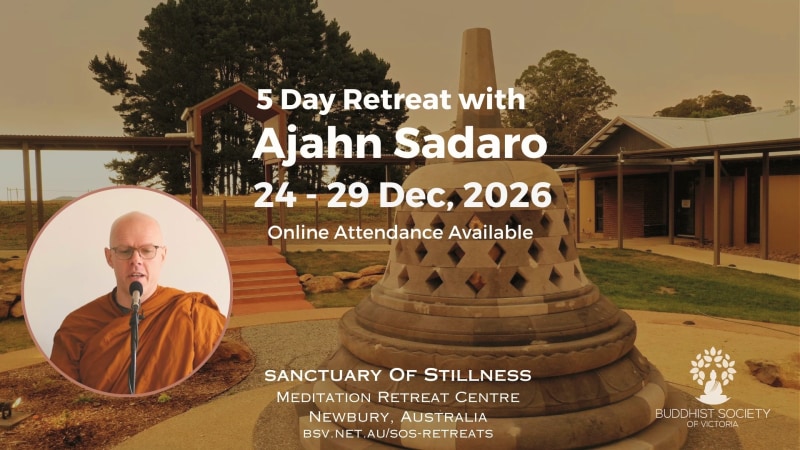

Listening Journey
Sound Journey
Discography
Albums & Releases

Read
Books
Bibliography coming soon.
Entdecken
Discovery HubArtists & PerformersVenuesKnowledge BasePlattform-Funktionen
Intelligente dynamische PreisgestaltungTicket-KategorienSitzplatzreservierungWarenkorbabbruch-WiederherstellungBesucher-WiedergewinnungSpenden & StaffelpreiseAffiliate-SystemTicket-ScannerRabattcodesIndividuelle FragenTicket-TeilenUpsells & ExtrasAnalysen & BerichteE-Mail-SequenzenWarteliste / Benachrichtigen / ErinnernAlle Funktionen anzeigenÜber uns
Spiritual Teacher · London, United Kingdom
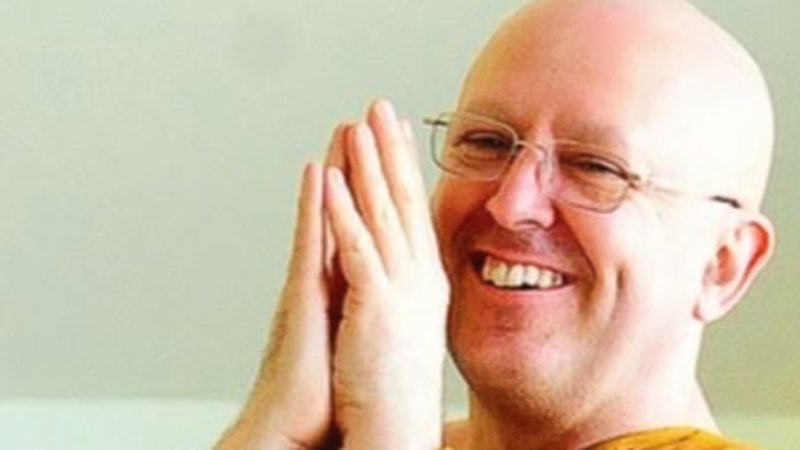
Ajahn Brahm, born Peter Betts in London in 1951, is a Buddhist monk in the Thai Forest tradition and founding abbot of Bodhinyana Monastery near Perth, Australia. For over four decades, he has become one of the most prominent voices translating classical Theravada Buddhism for English-speaking practitioners, grounding his teaching in the Pali Canon while remaining attuned to the questions and doubts of contemporary seekers.
Trained in the ascetic discipline of the Thai Forest lineage—particularly under Ajahn Chah at Wat Nong Pah Pong in northeast Thailand—Brahm exemplifies a meditation practice centered on rigorous mindfulness and deep concentration, or samadhi. His approach differs from many Western meditation teachers by maintaining strict monastic precepts and emphasizing the role of joy and profound peace in meditative states, rather than adopting a secular or clinical framing. He has written extensively on how Theravada's Eightfold Path applies to everyday life, making classical Buddhist ethics accessible without diluting their philosophical rigor.
His most widely read works include "Who Ordered This Truckload of Dung?" (2003), a collection of teaching stories and Zen-like anecdotes; "The Art of Disappearing" (2010), which explores renunciation and letting go through monastic perspective; and "Don't Worry, Life is Easy" (2012), addressing anxiety through Buddhist philosophy. Brahm has also recorded extensive Dhamma talks and guided meditations that have circulated among practice communities in Australia, the United Kingdom, and North America.
Brahm moved to Thailand in 1973 to train under Ajahn Chah, one of the most influential Buddhist teachers of the 20th century. After six years of monastic study, he established Bodhinyana Monastery in 1983 with fellow Western practitioners, creating one of the first Thai Forest monasteries in the Western world. This move positioned him at the intersection of tradition and cultural translation—obliged to preserve authentic Theravada practice while meeting the needs of lay supporters and monastics unfamiliar with Thai customs.
Over decades, Bodhinyana has grown to accommodate dozens of resident monastics and hosts thousands of lay visitors annually for meditation retreats, public talks, and ordination ceremonies. His teaching has reached far beyond Australia: Brahm founded the Dhammakaya International Society, with branches across multiple continents, and his recorded talks and books have been translated into numerous European languages and Asian languages including Thai, Vietnamese, and Chinese. He has taught extensively at universities, interviewed on major broadcasters, and participated in interfaith dialogues across Europe and Asia.
In recent years, Brahm has continued directing Bodhinyana's operations, leading annual international retreats, and releasing new written and audio teaching. He remains active in training the next generation of Western monastics and addressing contemporary challenges—including pandemic-related meditation practice, social isolation, and grief—through the lens of Theravada philosophy. His retreats and public talks regularly attract audiences from secular and explicitly Buddhist backgrounds alike.
For practitioners and skeptics alike, Brahm's work offers a rare bridge: rigorous classical training filtered through a mind trained in the modern West, grounded in place and community rather than packaged for consumption.
Continue the Journey
Listening Journey
Discography
Read
Bibliography coming soon.
Lineage & Inspiration
The teachers, lineages, and practices that shape Ajahn Brahm's path.

Meditation Master
Direct teacher for nine years; trained Ajahn Brahm in Thai Forest tradition
Thai Forest Founder
Founder of Thai Forest Tradition; teacher of Ajahn Chah's teacher lineage

Lineage
Strict monastic tradition emphasizing forest meditation and ascetic discipline
Tradition
Elder tradition grounded in Pali Canon and original Buddhist teachings

Practice
Deep concentration states central to Ajahn Brahm's meditation teaching approach
Practice
Monastic code; Ajahn Brahm served as vinaya master at Wat Pah Nanachat
Worth Knowing
Ajahn Brahm, born Peter Betts in London in 1951, is a British Buddhist monk in the Thai Forest tradition and founding abbot of Bodhinyana Monastery near Perth, Australia—one of the first authentic Thai Forest monasteries established in the Western world. Over four decades, he has become one of the most recognizable voices translating classical Theravada Buddhism for English-speaking practitioners, particularly lay audiences unfamiliar with monastic life or Buddhist philosophy. His reputation rests on a rare combination: rigorous training under Ajahn Chah, one of the 20th century's most influential Buddhist teachers, paired with an intuitive grasp of Western skepticism and contemporary anxiety. Rather than packaging Buddhism as secular self-help or stripping away its philosophical depth, Brahm grounds his teaching in the Pali Canon while meeting practitioners exactly where doubt and real-world suffering intersect. His recorded talks, books like "Who Ordered This Truckload of Dung?" and "Don't Worry, Life is Easy," and decades of retreat leadership have circulated far beyond monastic circles, reaching university audiences, interfaith forums, and casual meditators across Australia, the UK, North America, and Asia. For many, Brahm represents a model of how classical Theravada practice—with its emphasis on rigorous mindfulness, deep concentration (samadhi), and ethical discipline—can remain alive and credible in a modern context without compromise.
Discover More
Continue your journey
BrightStar is the global directory of artists, teachers, and healers in the wellness and spiritual movement. Find your next experience — or add yourself.
Browse 24,000+ curated profiles across kirtan, yoga, meditation, and beyond.
Explore directory →Kirtan, retreats, sound baths, breathwork, ceremonies — happening this week.
Browse events →Are you an artist, teacher, or healer? Get listed — free, AI-assisted, live in minutes.
Get started →


